


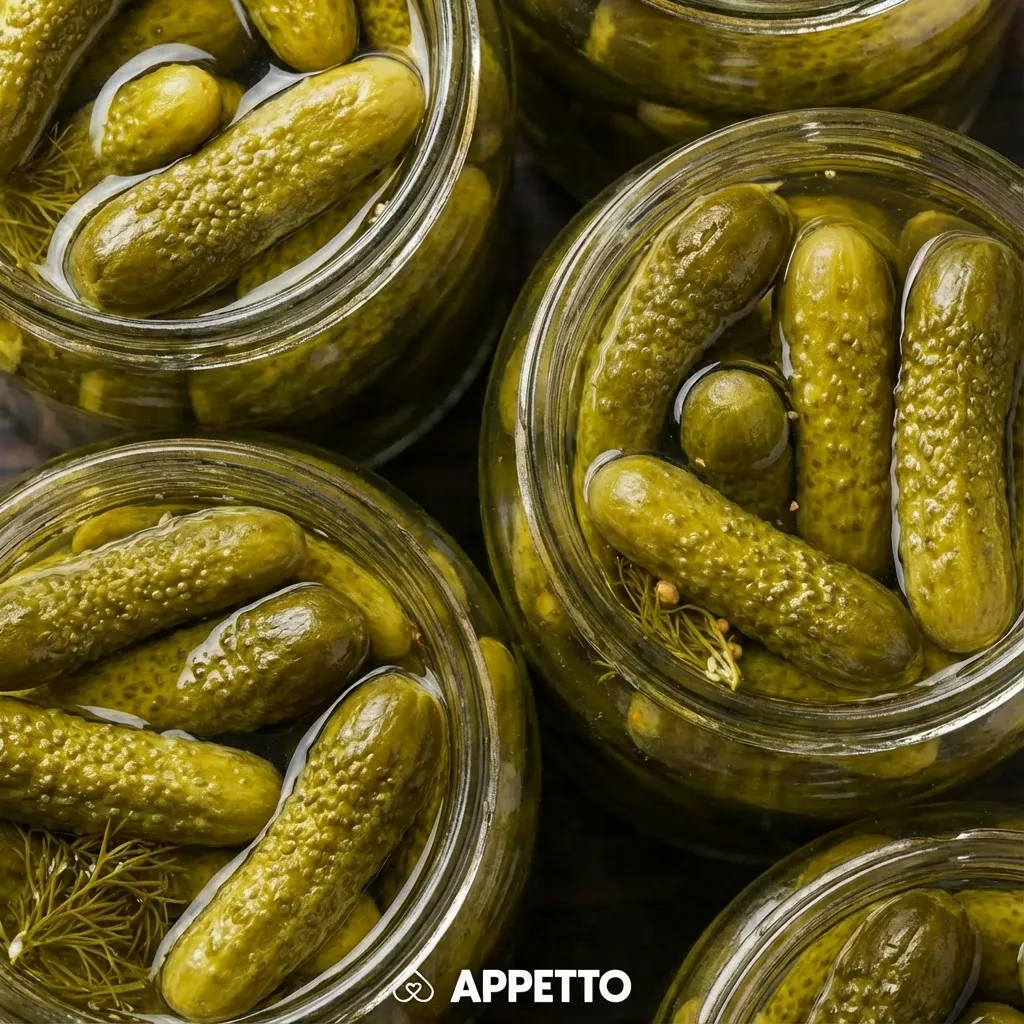
When it comes to sharing human food with felines, pickles are a common point of curiosity. However, offering pickles to your cat is to be avoided.
Why are pickles bad for cats?
Pickles have no nutritional value for cats and pose several health risks, primarily due to the way they are prepared. The brine or marinade is completely unsuitable for feline consumption.
Chemical and Nutritional Risks
The main dangers of feeding pickles to your cat include:
- Excessive salt: Pickles contain high levels of sodium chloride. Ingestion can lead to an electrolyte imbalance, known as hypernatremia, and severe dehydration. It can also cause neurological issues.
- Irritating vinegar: The acetic acid found in pickle brine can irritate the cat’s gastric mucosa, leading to vomiting.
- Toxic ingredients: Many marinades include garlic or onion. These Allium species contain thiosulfates, which oxidize red blood cells and can cause a dangerous condition called hemolytic anemia.
Are some cats more vulnerable?
Yes, cats with pre-existing kidney or heart failure are particularly vulnerable, as they are much more sensitive to dietary sodium intake.
Symptoms of poisoning to watch for
If your cat has consumed pickles, especially the brine or those marinated with garlic and onions, several symptoms may appear:
- Vomiting
- Diarrhea
- Excessive thirst
- Disorientation
- Seizures
What to do if your cat eats a pickle
If your cat ingests pickles, closely monitor them for any of the symptoms mentioned above. If symptoms appear, persist, or seem concerning, contact a veterinarian immediately. This article does not allow for an individual assessment of the severity of the ingestion.
Learn more with APPETTO
The APPETTO application helps users better understand the diet of dogs and cats and consult information on various foods. You can download it here: APPETTO.
This article is provided for informational purposes only and does not replace the advice or diagnosis of a veterinarian. A veterinarian should always be consulted in the event of concerning or persistent symptoms.