


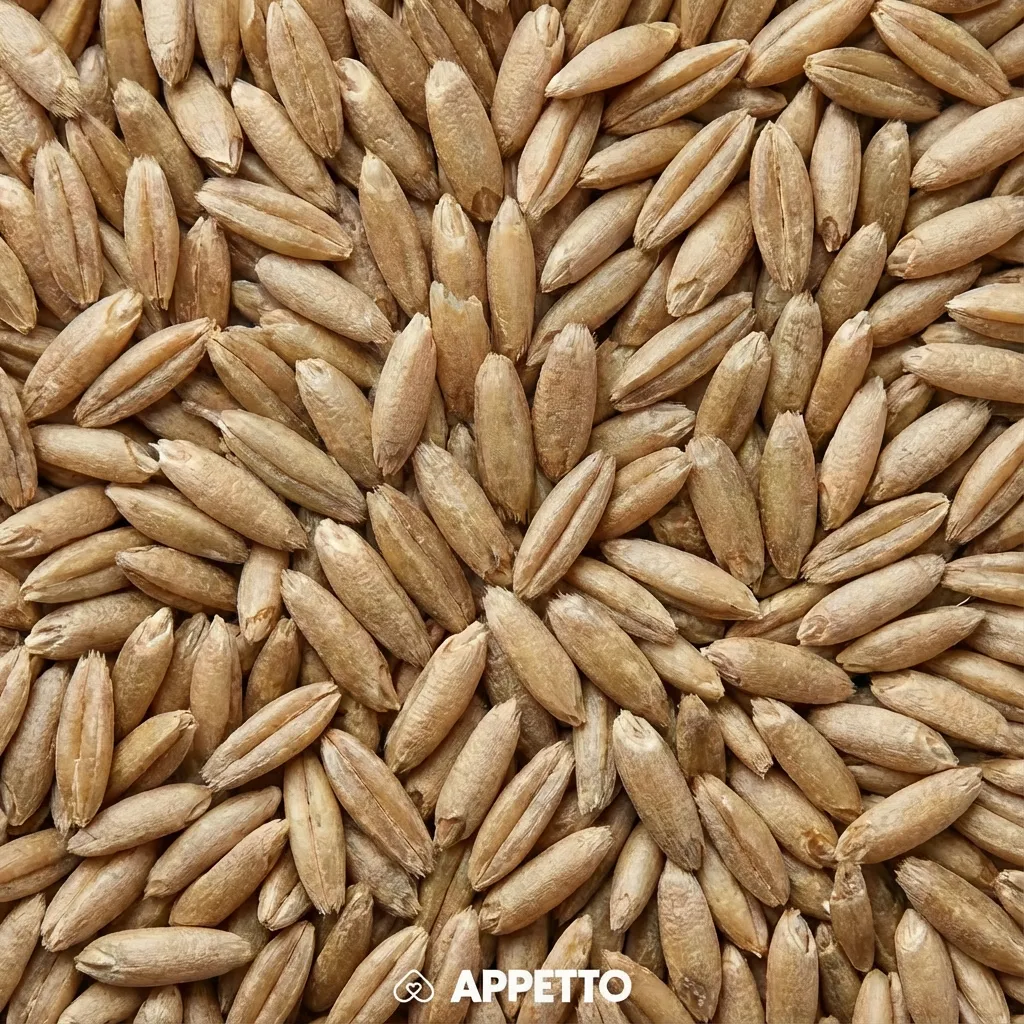
When it comes to feeding our feline companions, grains often raise questions. If you are wondering whether your cat can eat triticale, the answer is straightforward: it is to be avoided.
A Grain with No Nutritional Value for Cats
Cats are strict carnivores, meaning that carbohydrates are non-essential to their diet. The data shows no nutritional value or benefits in feeding triticale to a feline. General recommendations emphasize that cats do not need grains and that their intake should be strongly limited, with gluten-free diets being evaluated on a case-by-case basis.
Risks Associated with Triticale
Feeding triticale to your cat presents several nutritional and digestive risks:
- Gluten: This grain contains gluten, which is useless for a cat and can be irritating to their digestive system.
- Starch: It provides an unnecessary caloric load that does not align with a feline’s natural dietary needs.
Vulnerable Cats and Preparation
Although it should be avoided, if triticale is given, it must only be offered cooked and in a micro-portion. Furthermore, this grain should be strictly avoided for diabetic or obese cats due to its starch content and caloric load.
Symptoms to Watch For and What to Do
Consuming triticale can lead to digestive issues. The main symptoms to monitor include:
- Vomiting
- Diarrhea
If your cat has eaten triticale and these symptoms appear, persist, or seem concerning, it is recommended to contact a veterinarian. This article cannot individually assess the severity of the ingestion.
Discover the APPETTO App
To help you better understand your cat’s diet and access information about various foods, you can use APPETTO. Feel free to download the app through this link.
This article is provided for informational purposes only and does not replace the advice or diagnosis of a veterinarian. If your pet shows concerning or persistent symptoms, consult a veterinary professional.