


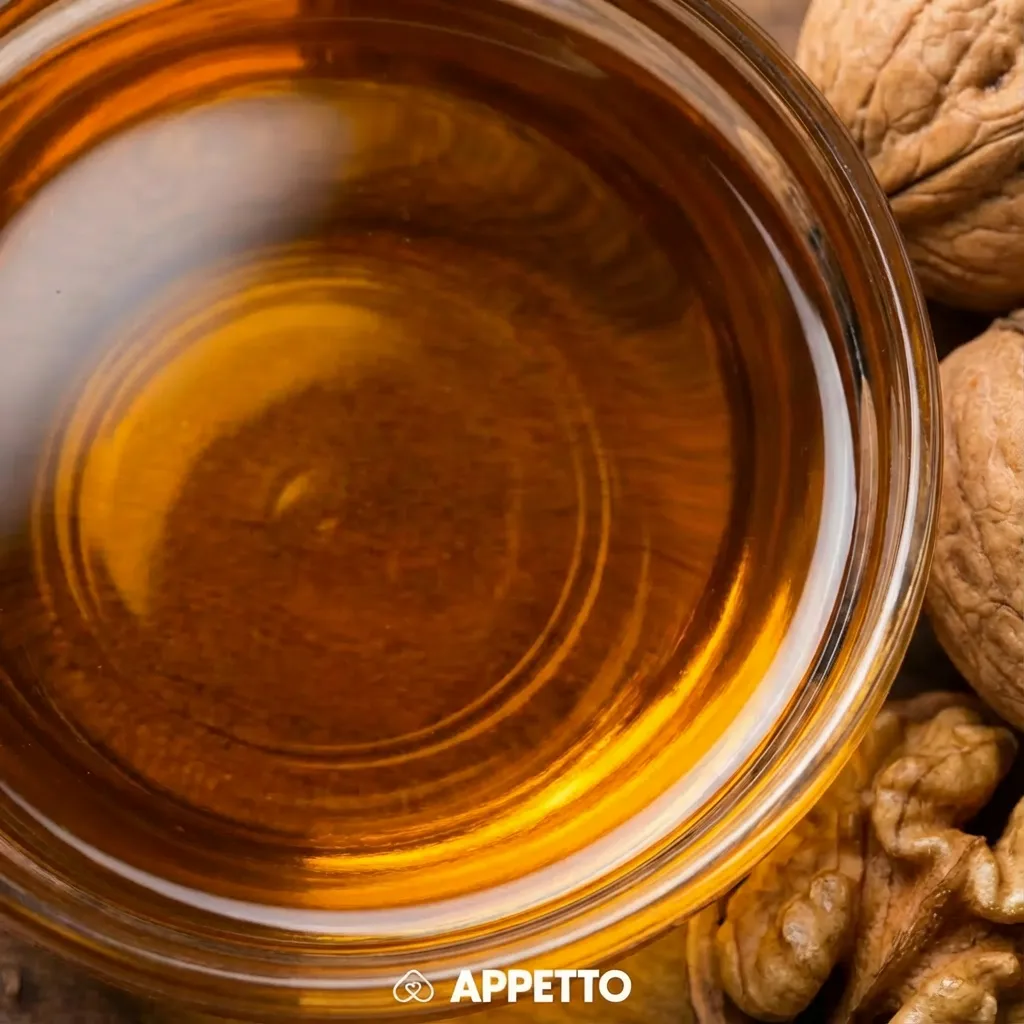
Many cat owners wonder if they can add plant-based oils to their pet’s diet. When it comes to walnut oil, it is allowed in moderation for cats. However, it is important to understand its nutritional profile and potential risks before offering it to your feline friend.
Benefits and Nutritional Value
Overall, walnut oil has a low nutritional value for cats. While it does provide linoleic acid, its interest in terms of usable omega-3 fatty acids is very limited. Cats require specific essential fatty acids, and official recommendations state that walnut oil does not replace the EPA, DHA, and arachidonic acid that are strictly necessary for them. This is because cats have a very low ability to convert ALA (the type of omega-3 found in plants) into the highly usable EPA and DHA forms.
How to Serve Walnut Oil
If you choose to give walnut oil to your cat, it must be offered raw. It should only be used as a simple drizzle over their regular food, and always strictly in very small amounts.
Potential Risks
Feeding walnut oil to your cat presents certain nutritional risks. As a lipid-rich food, it can lead to caloric overload. Furthermore, it can create an omega-6 to omega-3 imbalance, and unbalanced omega-6 fatty acids can potentially promote inflammation. Giving this oil in excess can also cause gastrointestinal issues.
Vulnerable Cats
Extra caution is advised for obese and senior cats, as they are typically more sensitive to dietary fat.
Symptoms to Watch and What to Do
If your cat consumes too much walnut oil, you should monitor them for gastrointestinal symptoms such as:
- Vomiting
- Diarrhea
If these symptoms appear, persist, or seem concerning, it is highly recommended to contact a veterinarian for appropriate guidance.
Discover APPETTO
To better understand your companion’s nutritional needs, you can use APPETTO. This application helps users learn more about dog and cat nutrition and allows you to consult information on various foods. You can download it at https://www.download.appetto.co.
This article is provided for informational purposes only and does not replace the advice or diagnosis of a veterinarian. A veterinarian should always be consulted in the event of persistent or concerning symptoms.