


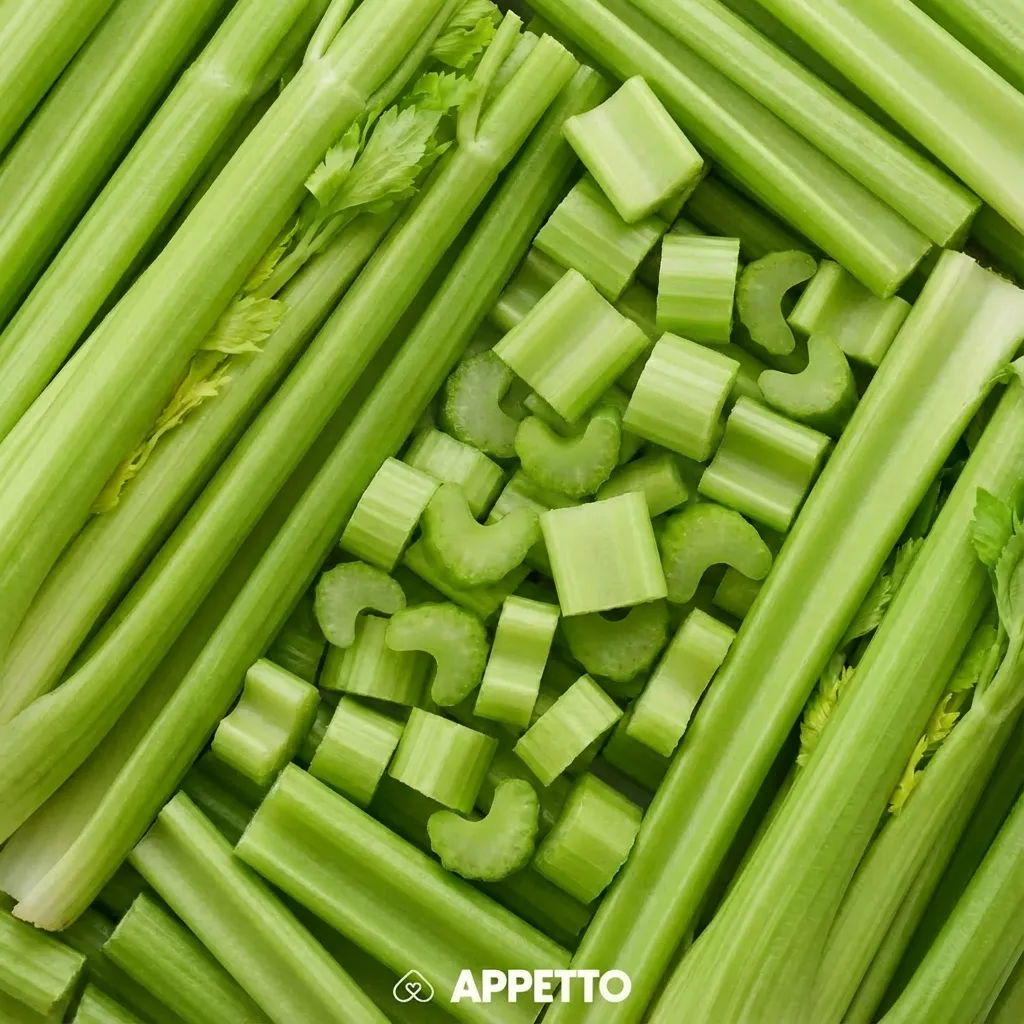
Celeriac can be given to cats in strict moderation, provided it is cooked, finely grated, or mashed. It offers a little water, fiber, and some vitamins, but it remains a secondary food that should be reserved for very small quantities.
Quick verdict
- For cats: allowed in moderation.
- To remember: only a micro-portion of cooked flesh, without strings or hard pieces.
Celeriac and cats: allowed, limited or forbidden?
Celeriac can be tolerated by some cats, but it is not essential. Since cats are strict carnivores, this vegetable must remain an occasional crumb rather than a feline side dish.
Is celeriac dangerous or toxic for cats?
Celeriac is not reported as toxic to cats. The risks primarily involve excess fiber, annoying strings, pieces that are too large, and its mild diuretic effect.
What are the possible benefits?
The benefits are modest.
- Light hydration.
- Fibers that can slow gastric emptying.
- Vitamins A, C, K, and folates in small amounts.
- An aromatic smell that may attract some cats.
The risks to know
The texture must be very fine to prevent discomfort.
- Fibers: vomiting, diarrhea, or bloating if consumed in excess.
- Strings: discomfort when chewing or swallowing.
- Diuretic effect: caution is advised for fragile cats.
How much celeriac can you give your cat?
The amount must remain truly small.
- Adult cat: the tip of a teaspoon of cooked flesh.
- Sensitive cat: avoid or offer only a trace.
- Kitten: to avoid.
Raw, cooked, or processed celeriac: which option?
Cooked celeriac is preferable because it becomes softer. If served raw, it must be grated extremely finely, but it is less interesting nutritionally. Salted mashes, soups, and dishes prepared with cream, garlic, or onion are forbidden.
How to prepare celeriac for a cat?
- Peel and cook the flesh without salt or seasoning.
- Remove any strings or hard pieces.
- Grate very finely or mash into a smooth puree before offering a micro-portion.
When should it be avoided?
- Kittens.
- Sensitive senior cats.
- Cats with a fragile digestive system.
- Sick or anorexic cats.
- Cats on veterinary treatment or a specific diet.
My cat ate celeriac: what to do?
If your cat ate a plain cooked micro-portion, simply monitor them. If they swallowed a large piece, long strings, or a seasoned dish, contact your veterinarian in case of symptoms.
What signs should alert you?
Vomiting, diarrhea, bloating, hypersalivation, difficulty swallowing, lethargy, or refusal to eat are signs that should be monitored.
What are safer alternatives?
- High-quality complete wet food.
- Cat-friendly treats.
- A micro-portion of cooked zucchini if well tolerated.
How can APPETTO help you?
APPETTO helps you understand foods allowed with limits, compare cat products using the Pet-Score®, and choose with more peace of mind. Download APPETTO.
FAQ
Is celeriac toxic to my cat?
No, it is not reported as toxic, but it must remain a micro-portion.
How much celeriac can I give my cat?
The tip of a teaspoon of cooked flesh is enough.
Can my cat eat raw celeriac?
It is not recommended, except as an extremely fine trace. Cooked is preferable.
What pieces of celeriac should be avoided for cats?
Strings, long strips, and hard pieces must be avoided.
What signs to watch for if my cat ate celeriac?
Vomiting, diarrhea, bloating, or difficulty swallowing should alert you.
Can a kitten eat celeriac?
It is better to avoid giving it to kittens.
Celeriac can be tolerated by cats in cooked and very fine micro-portions, but it remains secondary. To better compare feline foods and products, APPETTO helps you with the Pet-Score®. Download APPETTO.
Credits and warning
Credits: Content developed by the APPETTO team based on referenced sources and internal food classification methodology.
Warning: This information is general and does not replace veterinary advice.