


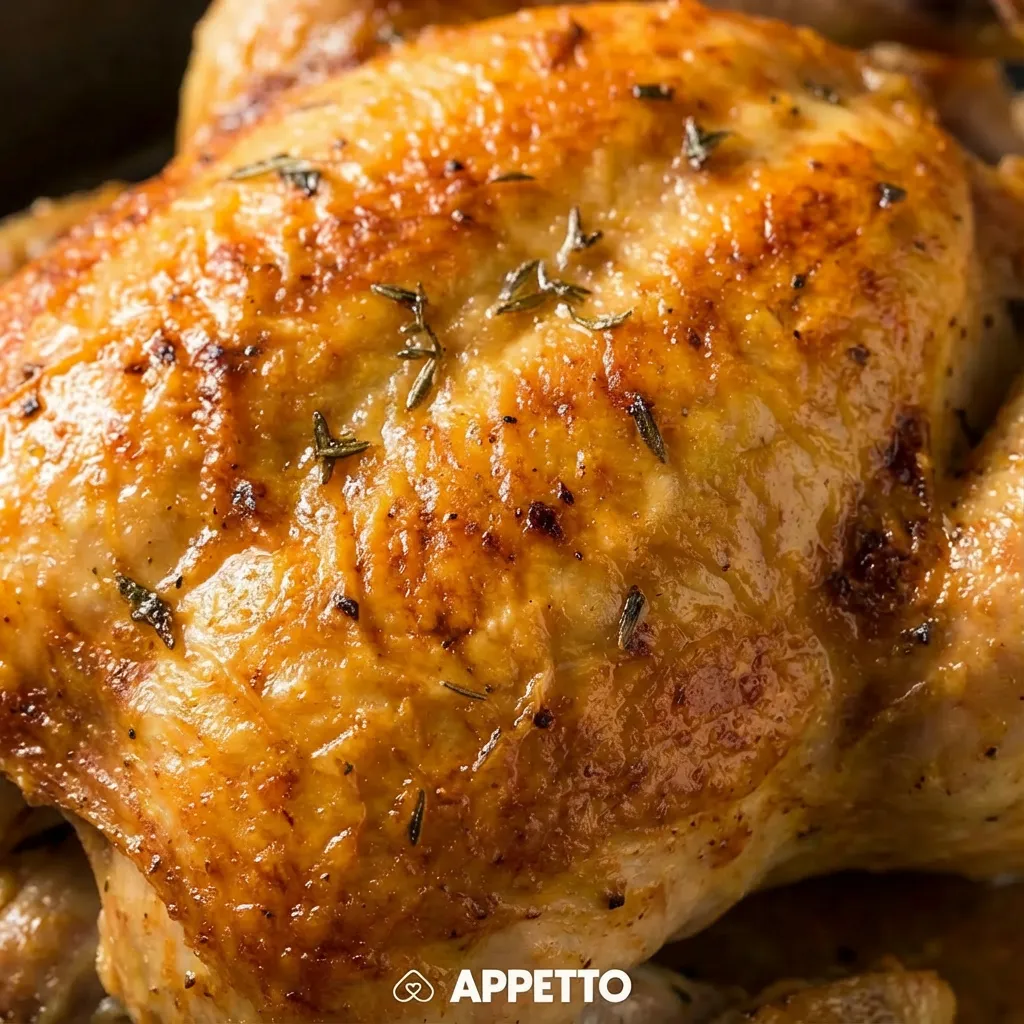
A dog can eat a tiny piece of cooked chicken skin, but it is not something to encourage. The skin is very fatty, highly palatable, and can quickly cause digestive issues if given in large amounts. Your dog will love it, but their pancreas will not.
Quick verdict
- For dogs: allowed in moderation.
- Key takeaway: only a tiny, cooked amount; never give skin that is excessively fatty, tough, seasoned, or given frequently.
Chicken skin for dogs: allowed, limited, or forbidden?
Chicken skin is not toxic to dogs, but it is extremely high in fat. It can be tolerated in a minuscule cooked portion by a healthy dog, but it offers little nutritional value compared to lean chicken meat. If you are wondering if chicken is bad for dogs, the lean meat is safe, but the skin should be strictly limited.
Is chicken skin dangerous or toxic for dogs?
It is not toxic, but it can be dangerous in excess due to the high fat content. In some dogs, fatty foods can trigger vomiting, diarrhea, or abdominal pain, and increase the risk of pancreatitis.
What are the possible benefits?
The benefits are limited and mostly relate to palatability.
- It provides energy in the form of lipids.
- Its taste can appeal to picky eaters.
- In a very small amount, it can serve as a rare, mini treat.
What are the risks to know?
The main risk is fat overload.
- Vomiting or diarrhea after an excess.
- Abdominal pain or pancreatitis in sensitive dogs.
- Choking if the skin is dry, hard, or given in a large piece.
- Parts to avoid: dry and tough skin, raw skin, and grilled skin that is salted, spiced, or covered in sauce.
How much should I give my dog?
If your dog is healthy, stick to a symbolic and very occasional amount. For dogs sensitive to fat, it is best not to give any at all.
- Small dog: a mini cooked piece, rarely.
- Medium dog: a small cooked piece, occasionally.
- Large dog: a few small pieces at most, not as a habit.
Can my dog eat raw, cooked, or grilled chicken skin?
Plain, cooked skin is the safest form. Many owners ask, can dogs eat raw chicken or raw chicken skin? It is best to avoid it, as raw skin exposes them to harmful bacteria. Grilled, salted, smoked, or spiced skin, as well as skin from a store-bought rotisserie chicken, can contain too much salt, fat, and seasonings.
How to prepare it properly?
- Remove any bones, sauce, or seasoning.
- Give only a small piece of plain, cooked skin.
- Chop it finely to reduce the risk of choking.
When should it be avoided?
- For puppies.
- For senior dogs.
- For dogs that are overweight, diabetic, or prone to pancreatitis.
- For dogs that have trouble digesting fatty foods.
My dog ate chicken skin: what should I do?
A small cooked amount is generally not a big deal. If your dog ate a lot of skin, or if it was very fatty, raw, or seasoned, monitor their condition closely and contact your vet if any symptoms appear.
What signs should alert me?
Repeated vomiting, diarrhea, abdominal pain, a hunched posture, lethargy, or loss of appetite should be cause for concern, especially in dogs at risk of pancreatitis.
What are safer alternatives?
- Cooked chicken breast without the skin.
- Plain cooked turkey.
- Low-fat dog treats.
How can APPETTO help you?
APPETTO helps you tell the difference between a small occasional treat and a food that could unbalance your dog’s diet. Thanks to the Pet-Score®, you can easily compare products and better understand their composition. Download APPETTO.
FAQ
Is chicken skin toxic to my dog?
No, but it is high in fat and can cause digestive upset or pancreatitis in sensitive dogs.
How much chicken skin can I give my dog?
Only a tiny cooked piece, very occasionally, and never to a dog that is sensitive to fat.
Can my dog eat raw chicken skin?
It is better to avoid it, as raw skin can contain bacteria. This applies whenever you wonder, is raw chicken good for dogs—the risks often outweigh the benefits.
Can my dog eat grilled chicken skin?
Not if it is salted, spiced, burnt, or overly greasy. It can be irritating and too rich for their stomach.
What signs should I watch for if my dog ate a lot of chicken skin?
Watch out for vomiting, diarrhea, abdominal pain, fatigue, or loss of appetite.
Can a puppy eat chicken skin?
It is best to avoid it, as a puppy’s digestive system is more sensitive to fatty foods.
Chicken skin is therefore not forbidden for dogs, but it must remain a very rare, mini treat. To make better choices about the foods truly suited to their daily needs, compare them using the Pet-Score® on APPETTO. Download APPETTO.
Credits and disclaimer
Credits: Content created by the APPETTO team based on referenced sources and our internal food classification methodology.
Disclaimer: This information is general and does not replace the advice of a veterinarian.