


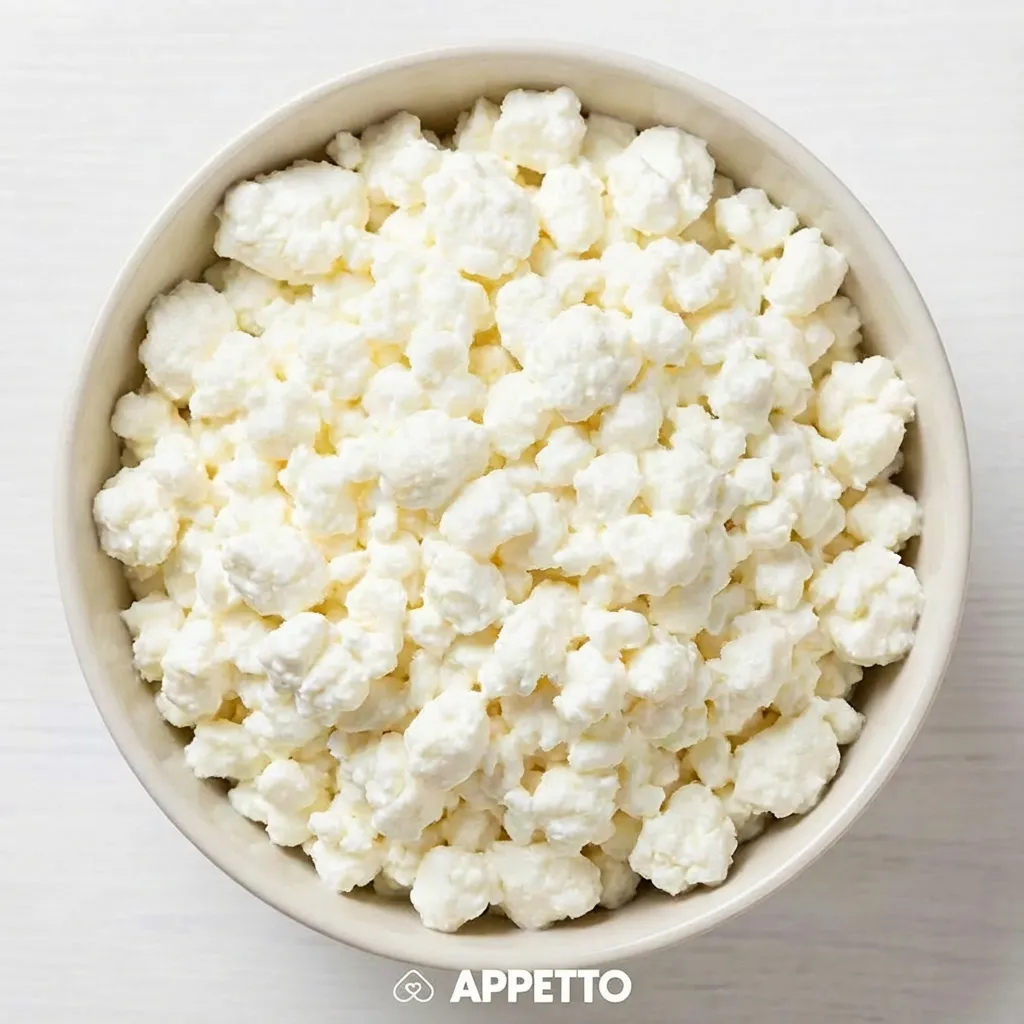
Cottage cheese should be avoided for cats. Even though it seems lighter than other cheeses, it remains a dairy product with varying amounts of lactose, fat, and sometimes salt. The cat is an obligate carnivore: their body does not need this type of food, even if it’s served in a cute little bowl like a Sunday brunch.
Quick Verdict
- For cats: to be avoided.
- Key takeaway: lactose is often poorly digested by cats and can cause diarrhea or vomiting.
Cottage cheese for cats: allowed, to be limited, or forbidden?
Cottage cheese is not recommended for cats. Some cats may tolerate a tiny amount, but that doesn’t mean the food is suitable. Its nutritional value remains low compared to the digestive risk, especially in sensitive, obese, or diabetic cats.
Is cottage cheese dangerous or toxic for cats?
Cottage cheese is not toxic like a poison, but it can become problematic. Most adult cats digest lactose poorly, which can lead to loose stools, diarrhea, vomiting, or abdominal pain. The fats can also promote weight gain.
What are the possible benefits?
The benefits are limited. A cat doesn’t need cottage cheese to get protein or calcium.
- Protein intake, but not necessary if their diet is complete.
- Less fat than some cheeses, but not suitable enough to become a recommended treat.
What are the risks to know?
The digestive risk is the main point to remember.
- Lactose: diarrhea, vomiting, gas, or discomfort.
- Fats: weight gain, especially in neutered or sedentary cats.
- Parts to avoid: salted, flavored, sweetened versions, or those mixed with herbs, garlic, onion, or spices.
How much to give your cat?
It is better not to give cottage cheese to a cat. An accidental tiny amount should be monitored, but it shouldn’t become a habit.
- Adult cat: avoid.
- Sensitive cat: strictly avoid.
- Kitten: avoid completely, unless specifically advised by a vet for a suitable product.
Can my cat eat plain, salted, or processed cottage cheese?
Plain cottage cheese is still not recommended. Salted, sweetened, flavored versions or those used in human recipes should be avoided even more. Cats do not need dairy products added to their diet.
How to prepare it correctly?
- Do not prepare cottage cheese for your cat.
- Avoid leaving an open container within reach.
- If your cat eats some, monitor their stools, appetite, and behavior.
When should it be avoided?
- Kittens.
- Senior cats.
- Obese, diabetic cats, or those with sensitive digestions or lactose intolerance.
- Cats undergoing medical treatment, with kidney failure, or on a veterinary diet.
My cat ate cottage cheese: what should I do?
If your cat ate a small amount of plain cottage cheese, keep an eye on them. If the quantity is large, if the product was salted or flavored, or if symptoms appear, contact your veterinarian.
What signs should raise an alarm?
Vomiting, diarrhea, abdominal pain, loss of appetite, lethargy, or changes in behavior should be a cause for concern.
What are safer alternatives?
- A suitable feline treat.
- A small piece of plain cooked chicken or turkey.
- Complete wet food suitable for their age and lifestyle.
How can APPETTO help you?
APPETTO helps you better understand everyday foods that might seem “harmless” but are not suitable for cats. Thanks to the Pet-Score®, you can compare products and make clearer choices for their bowl. Download APPETTO.
FAQ
Is cottage cheese toxic to my cat?
No, not in the strict sense, but it can cause diarrhea or vomiting due to lactose.
How much cottage cheese can I give my cat?
No amount is recommended. It is better to avoid giving it intentionally.
Can my cat eat plain cottage cheese?
Even plain, it is not recommended because it contains varying amounts of lactose.
Can my cat eat salted cottage cheese?
No, salt is an additional risk, especially for frail cats or those with kidney failure.
What signs should I look out for if my cat ate cottage cheese?
Watch out for vomiting, diarrhea, abdominal pain, lethargy, and loss of appetite.
Can a kitten eat cottage cheese?
No, it is better to avoid it. A kitten should receive a diet suited to their age.
Cottage cheese should therefore be avoided for cats: lactose, fat, and low nutritional value. To better compare products and understand what is truly right for your cat, APPETTO helps you with the Pet-Score®. Download APPETTO.
Credits and disclaimer
Credits: Content developed by the APPETTO team based on referenced sources and our internal food classification methodology.
Disclaimer: This information is general and does not replace veterinary advice.