


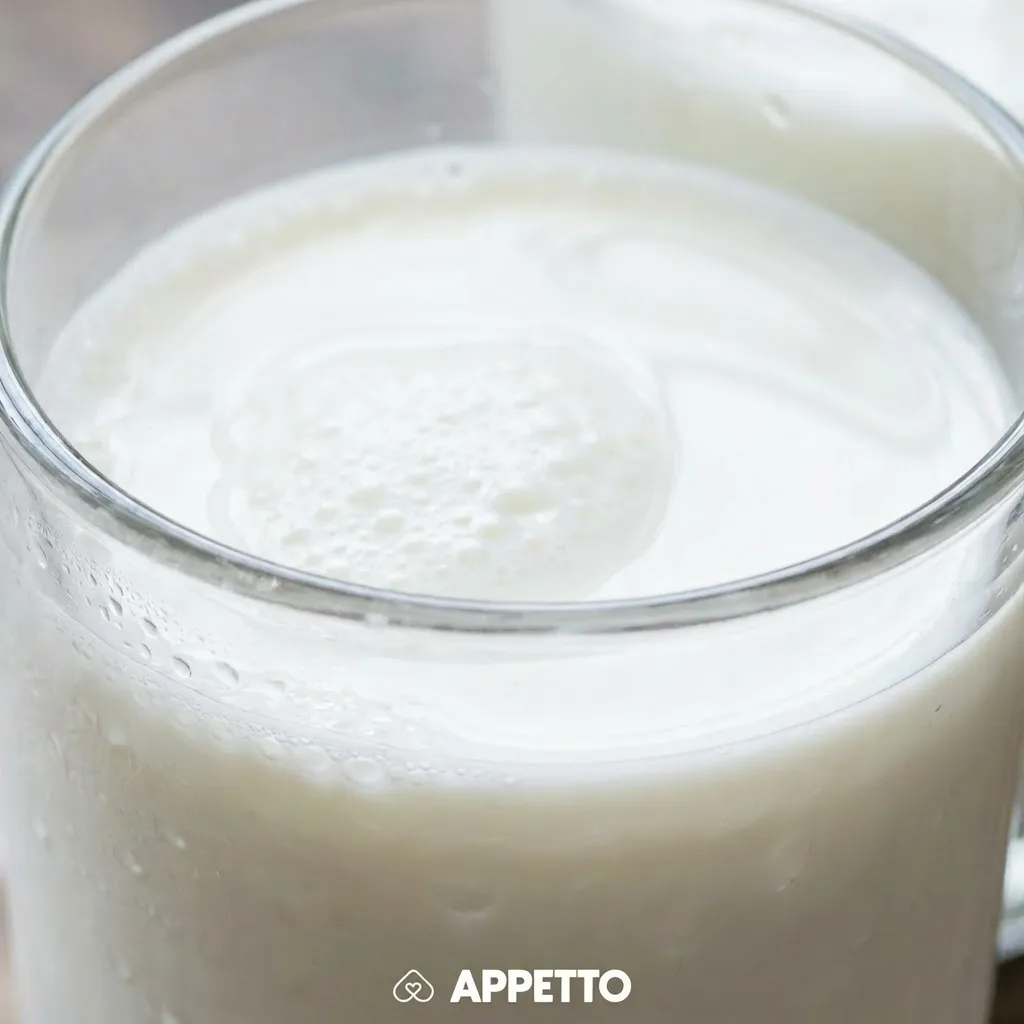
Cow’s milk can be tolerated by some cats in tiny amounts, but it is not recommended as a regular treat. Many adult cats have difficulty digesting lactose. The classic image of a cat lapping up a bowl of milk is very picture-perfect; however, when it comes to digestion, it’s often much less poetic.
Quick verdict
- For cats: allowed in strict moderation.
- Key takeaway: tiny amounts only, pasteurised, and to be avoided if the cat has diarrhoea, is vomiting, or has a fragile constitution.
Cow’s milk for cats: allowed, to be limited, or forbidden?
Cow’s milk is not essential for cats. After weaning, many cats produce very little lactase, the enzyme required to digest lactose. A tiny amount might be tolerated by some, but that doesn’t mean milk is suitable for them.
Is cow’s milk dangerous or toxic for cats?
Cow’s milk is not toxic in tiny, pasteurised amounts, but it can cause vomiting, diarrhoea, or bloating. The risk is higher in kittens, senior cats, and cats with sensitive digestions.
What are the possible benefits?
The benefits are limited.
- Occasional source of energy and protein.
- No real value if your cat is already eating a complete, balanced diet.
What are the risks to be aware of?
Lactose is the main issue to watch out for.
- Lactose: diarrhoea, vomiting, colonic fermentation.
- Fats: weight gain if given frequently.
- Types to avoid: raw milk, sweetened milk, chocolate milk, flavoured milk, or dairy desserts.
How much can you give your cat?
If your cat tolerates it, the amount should remain minimal.
- Adult cat: half a teaspoon to one teaspoon maximum.
- Sensitive cat: avoid completely.
- Kitten: avoid unless advised by a vet.
Can my cat drink raw, pasteurised, or lactose-free milk?
Pasteurised milk is safer than raw milk, but it still contains lactose. Raw milk should be avoided entirely. Lactose-free milk may be better tolerated, but it remains unnecessary and should still be given with caution.
How to prepare it properly?
- Choose only plain, pasteurised milk if you want to test it.
- Offer a very small amount.
- Stop immediately at the slightest sign of vomiting, diarrhoea, or bloating.
When should it be avoided?
- Kittens, without veterinary advice.
- Senior cats.
- Cats with sensitive digestion, obesity, diabetes, or lactose intolerance.
- Cats on medication or a specific veterinary diet.
My cat drank some cow’s milk: what should I do?
If your cat drank a small amount of pasteurised milk, just keep an eye on them. If they drank a large amount, if the milk was raw, chocolate-flavoured, or sweetened, or if any symptoms appear, contact your vet.
What signs should I look out for?
Vomiting, diarrhoea, bloating, lethargy, loss of appetite, or any unusual behaviour should be a cause for concern.
What are the safer alternatives?
- Fresh water.
- A complete, suitable wet food.
- A specific cat milk, if necessary and recommended.
How can APPETTO help you?
APPETTO helps you better understand which foods to limit for your cat and allows you to compare products using the Pet-Score®. This way, you can make more informed choices for their bowl. Download APPETTO.
FAQ
Is cow’s milk toxic to my cat?
No, not in tiny, pasteurised amounts, but it can cause digestive upset.
How much cow’s milk can I give my cat?
Half a teaspoon to one teaspoon maximum, and only rarely.
Can my cat drink raw milk?
No, raw milk should be avoided due to the bacterial risks.
Can my cat drink chocolate milk?
No, chocolate is toxic to cats.
What signs should I monitor if my cat has drunk milk?
Watch out for vomiting, diarrhoea, bloating, lethargy, and loss of appetite.
Can a kitten drink cow’s milk?
No, unless advised by a vet. Kittens require a very specific diet.
Cow’s milk can be tolerated in tiny amounts by some cats, but it should be strictly limited. To better compare suitable foods and products, APPETTO helps you with the Pet-Score®. Download APPETTO.
Credits and disclaimer
Credits: Content created by the APPETTO team based on referenced sources and our internal food classification methodology.
Disclaimer: This information is general and does not replace veterinary advice.