


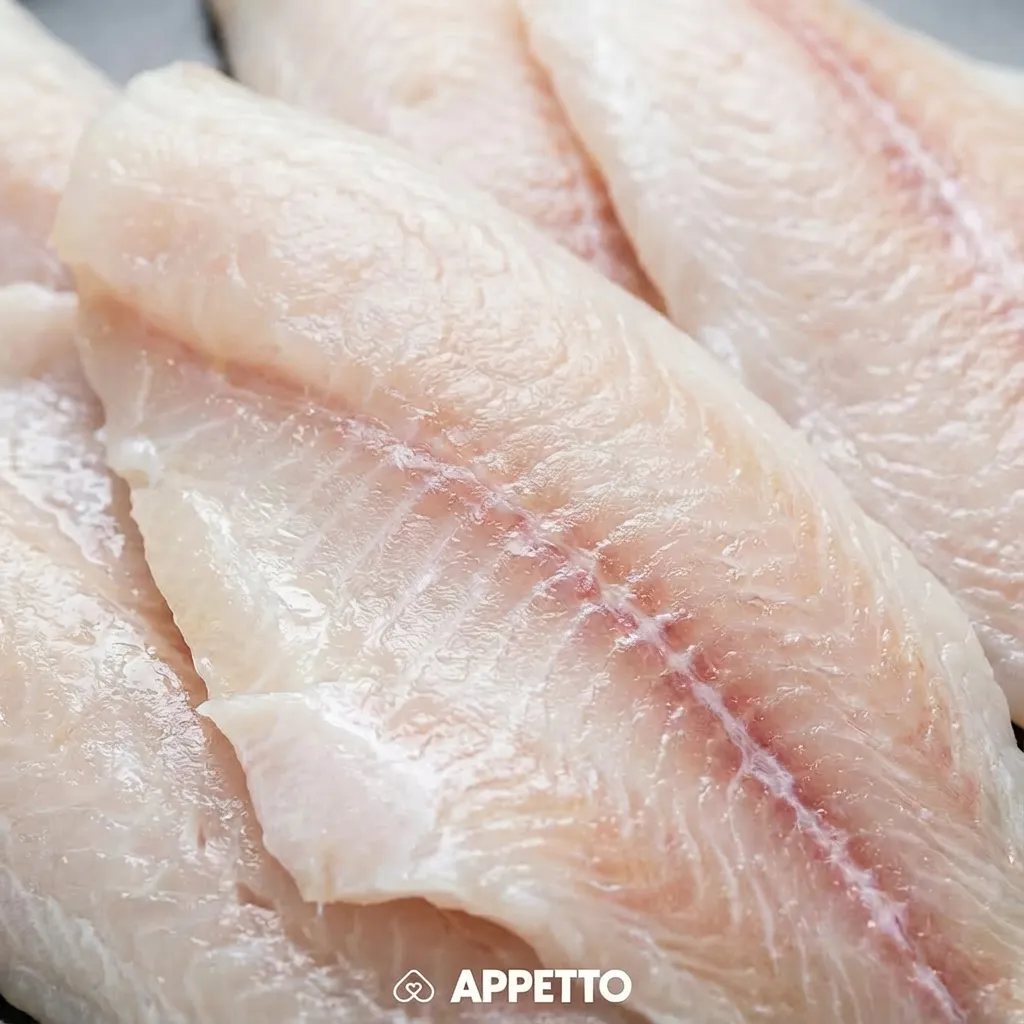
Can my dog eat pangasius?
The short answer is yes, your dog can absolutely eat pangasius (also known as basa fish). This white fish is an excellent source of lean protein, making it ideal for adding variety to your furry friend’s diet. However, a few precautions are necessary regarding its preparation and origin.
The benefits of pangasius for dogs
Pangasius is a highly digestible white-fleshed fish. It offers several health benefits for dogs:
- Rich in protein: Essential for maintaining your pet’s muscle mass.
- Low in fat: Perfect for overweight dogs or those requiring a low-fat diet (such as in some cases of pancreatitis).
- Source of amino acids: It contributes to overall vitality and good health.
What are the risks and precautions to take?
Although pangasius flesh is not toxic to dogs, a few points require your attention:
- Bones: This is the main danger. Fish bones can get stuck in the throat or puncture the digestive tract. Buy boneless fillets and always run your fingers over the flesh to check before serving.
- Raw fish: Never give raw pangasius to your dog. Uncooked fish can harbor harmful bacteria (like salmonella) and parasites that are dangerous to their health.
- Origin: Since this fish is often farmed intensively, it is advisable to pay attention to its quality to avoid a high concentration of pollutants. Feed it in moderation, alternating with other meats or fish.
How to prepare pangasius for my dog?
Simplicity is the golden rule for canine cooking. Cook the pangasius fillet by steaming, boiling, or baking, without adding anything. Do not use salt, fats (oil, butter), or spices. Be especially careful with garlic and onions, which are highly toxic to dogs.
Once the fish is cooked and completely cooled, flake it and gradually mix it into your dog’s usual meal. For the first tasting, offer only a small portion to ensure they digest it perfectly.