


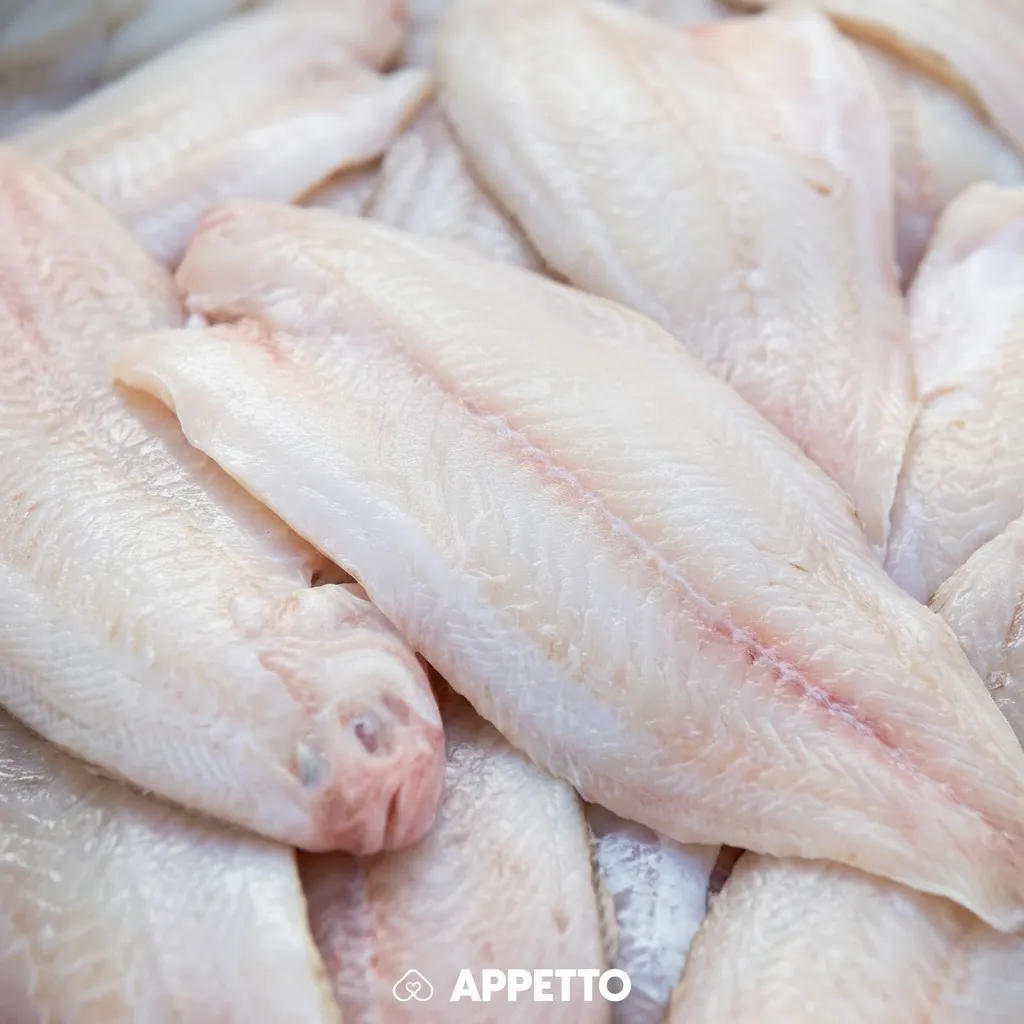
Is sole a good idea for my dog?
Yes, your dog can absolutely eat sole! This lean, white fish is not only tasty but also an excellent source of high-quality protein. Easy to digest, sole is particularly suitable for dogs with sensitive stomachs or those watching their weight.
What are the benefits of sole for dogs?
Sole is packed with essential nutrients for your pet’s health:
- Low in fat: Unlike some fatty fish, sole is very low in calories. It’s an ideal choice for overweight dogs.
- Rich in protein: Essential for maintaining your companion’s muscle mass.
- Vitamins and minerals: It contains B vitamins (especially B12), selenium, and phosphorus, which support your dog’s immune system and overall health.
Precautions to take before feeding it to your dog
Although sole is healthy, certain safety rules must be followed:
- Watch out for bones: Fish bones are small, thin, and very sharp. They can easily get stuck in your dog’s throat or puncture their digestive tract. Make sure you have carefully removed all the bones before serving it.
- Never feed raw sole: Raw fish can contain harmful bacteria (such as salmonella) and parasites. It is imperative to always cook sole thoroughly.
- Avoid seasonings: Never cook your dog’s sole with butter, oil, salt, garlic, or onion. Garlic and onions are highly toxic to dogs.
How to prepare and serve sole to your dog?
The best cooking method to preserve nutrients without adding calories is steaming, boiling, or baking (without any fat). Let the fish cool completely, flake it carefully to ensure there are absolutely no bones, and then mix it into their kibble or serve it as a small occasional treat.
If you are introducing sole to your dog’s diet for the first time, start with a very small amount to monitor their digestive system’s reaction.