


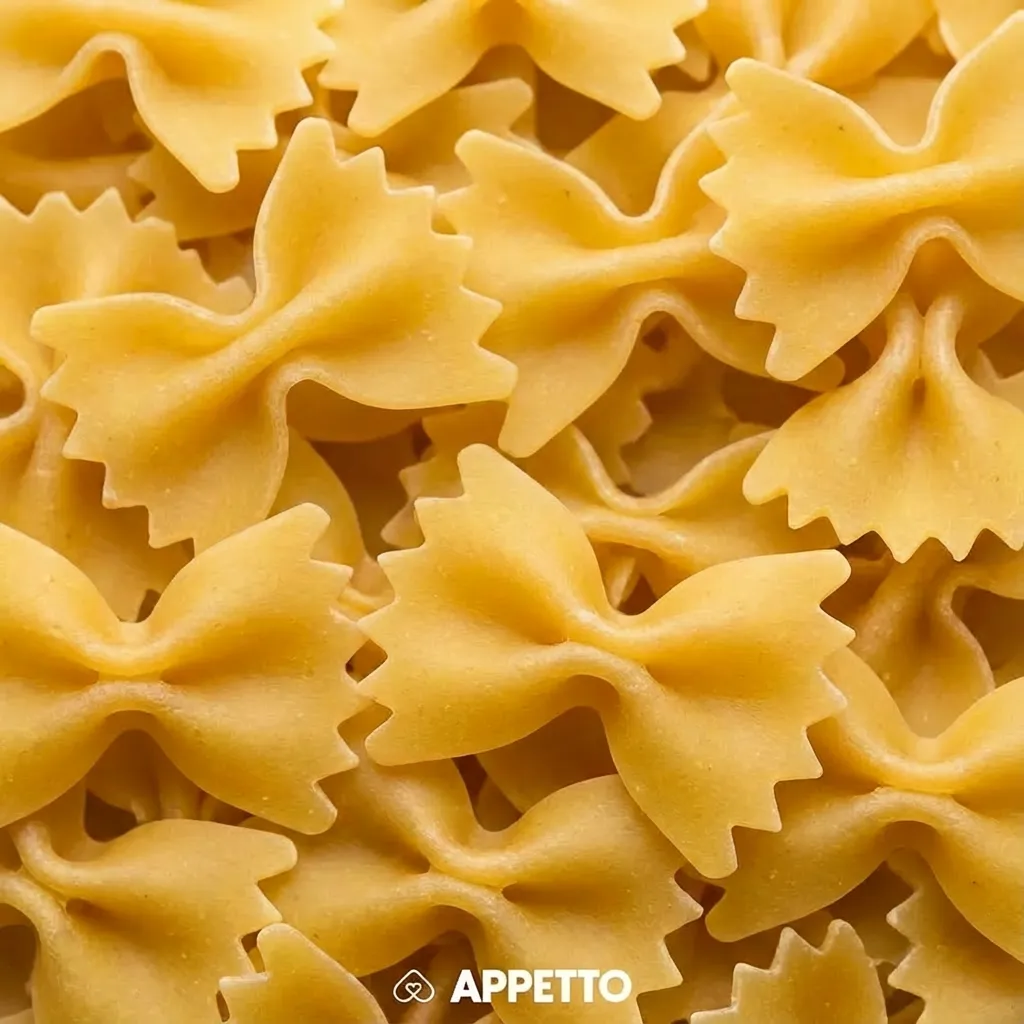
Feeding farfalle (durum wheat pasta) to your dog is authorized in moderation. This type of pasta should only be offered in small, reasonable quantities while limiting overall carbohydrate intake to maintain a balanced diet.
Nutritional Value and Preparation
The nutritional value of farfalle for dogs is considered low. However, it can provide occasional energy due to the presence of starch. It is highly recommended to serve the pasta cooked and plain. Cooking leads to the gelatinization of the starch, which allows the digestive amylases to work more effectively, making the starch much easier for the dog to digest.
Risks and Precautions
Feeding farfalle presents certain risks if consumed in excess. Nutritionally, the high starch content can lead to caloric overload and promote weight gain. From a digestive standpoint, an excessive intake poses a risk of diarrhea. Additionally, extra prudence is advised for primitive dog breeds, as they may be more vulnerable to dietary imbalances.
Symptoms to Watch For and What to Do
If your dog consumes an inappropriate amount of farfalle, symptoms such as vomiting and diarrhea may appear. In cases of excessive ingestion or if these clinical signs manifest, it is advisable to closely monitor your pet and contact a veterinarian if the symptoms seem concerning or persist.
Frequently Asked Questions
Should farfalle be given raw or cooked?
It is recommended to give your dog cooked, plain farfalle. Cooking leads to the gelatinization of the starch, which enhances the action of amylases and ensures the starch is more easily digested.
What happens if a dog eats too much farfalle?
In cases of excess consumption, dogs may experience digestive issues such as diarrhea. Furthermore, the high starch content poses a nutritional risk of caloric overload, which can lead to weight gain over time.
Learn More with APPETTO
The APPETTO application helps pet owners better understand the dietary needs of dogs and cats by providing clear and accessible information on various foods.
This article is provided for informational purposes only and does not replace professional veterinary advice or diagnosis. A veterinarian should be consulted if any concerning or persistent symptoms occur.