


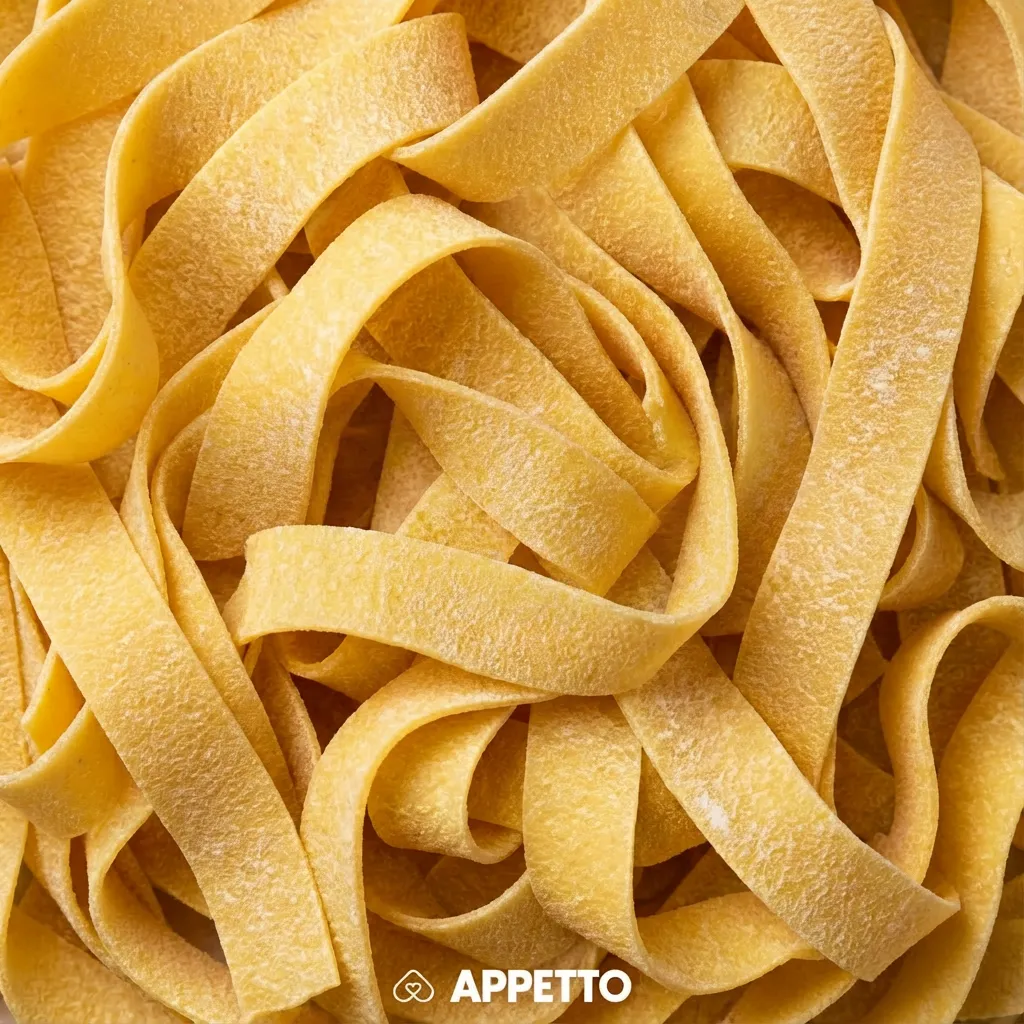
It is common to want to share meals with our pets, but when it comes to feeding pappardelle to a dog, there are diverging opinions. Before offering this type of pasta to your canine companion, it is important to understand its effects on their body.
Nutritional Value and Benefits
The available data shows no nutritional benefits in giving pappardelle to a dog. Similar to other types of pasta, they have a high starch content and their overall nutritional value for dogs is considered null.
Risks and Scientific Explanations
Feeding pappardelle to a dog presents certain risks:
- Nutritional risk: The starch in pasta provides quick energy, but canine digestion capacities for this type of carbohydrate are limited. Moderation is required, as an excess of carbohydrates can lead to weight gain.
- Mechanical risk: Dry pasta poses a choking hazard.
Regarding preparation, recommendations suggest cooking the pasta well and limiting starch intake by only offering occasional portions. Since data on raw pasta is uncertain, it should be avoided as a precaution.
Vulnerable Animals
Puppies are particularly vulnerable, as they are more sensitive to starches than adult dogs.
Symptoms to Monitor and What to Do
If your dog ingests pappardelle, symptoms may appear:
- Vomiting
- Diarrhea
- Bloating
If your dog has eaten this pasta and you notice these symptoms appearing, persisting, or worsening, it is advised to contact a veterinarian.
About APPETTO
To help you better understand canine nutrition and check information about various foods, you can use the APPETTO app. Feel free to download it here: APPETTO.
This article is provided for informational purposes only and does not replace the advice or diagnosis of a veterinarian. A veterinarian should be consulted in the event of concerning or persistent symptoms.