


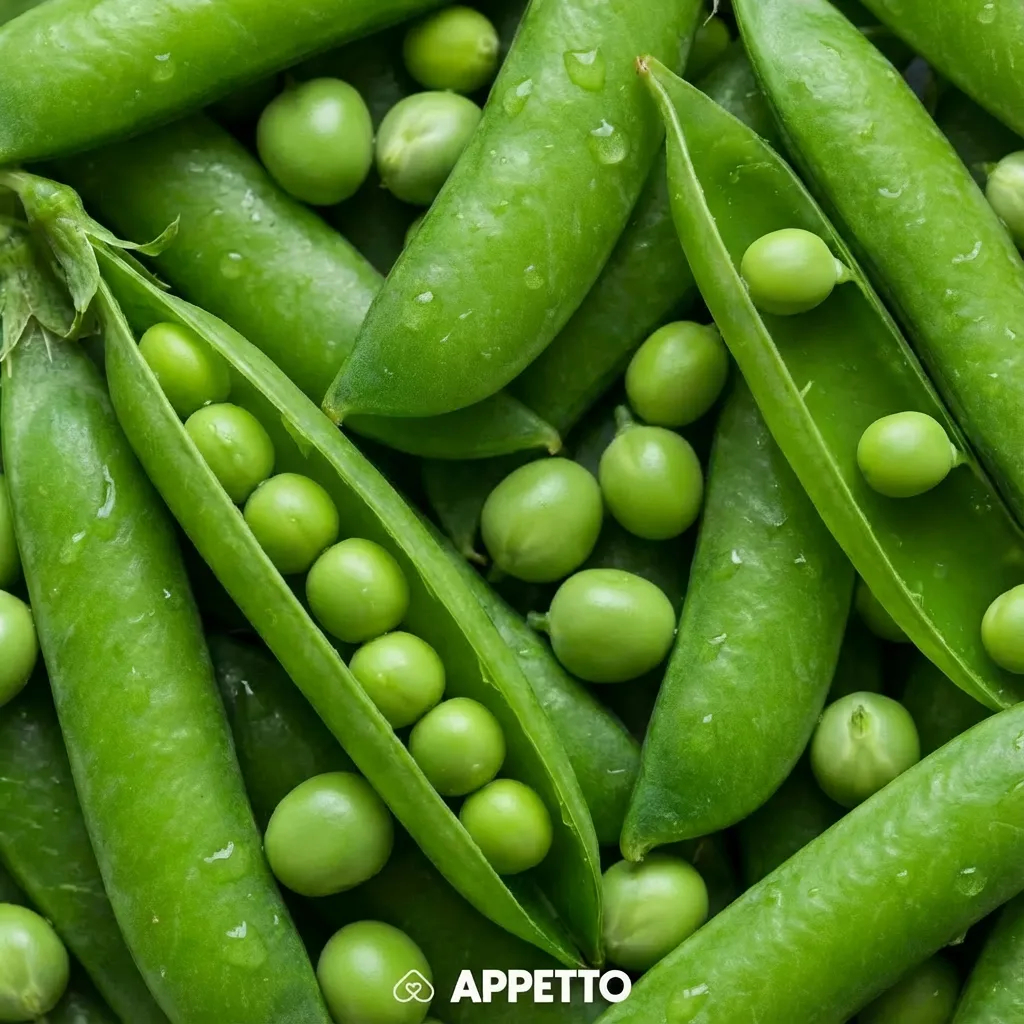
Peas are allowed in moderation for dogs. Official recommendations consider them a healthy treat when offered in moderate portions and small quantities.
Benefits and nutritional value
Although their overall nutritional value is low, peas offer good palatability. They provide hydration, fibers, and vitamins B and K. Scientifically, their soluble fibers help regulate intestinal transit by affecting the viscosity of the chyme.
Preparation: which parts to give?
The seed and pulp are the allowed parts. On the other hand, the stringy and fibrous pods must be avoided. Regarding preparation, it is indifferent whether they are served fresh or cooked, as long as they are plain.
Risks for the dog
Consuming this food involves certain risks:
- A mechanical risk: whole peas can cause choking, especially in small dogs. Puppies face an increased mechanical risk.
- A nutritional risk: an excess of carbohydrates and fibers from too many peas can lead to gastrointestinal issues.
- A medical question: there are questions regarding a possible link to cardiomyopathy if there is an excess of peas in kibbles.
Symptoms to monitor
In case of inappropriate ingestion, the following symptoms may appear:
- Vomiting
- Diarrhea
- Flatulence
What to do in case of a problem?
If your dog has consumed an excessive amount or inappropriate parts, monitor for any digestive signs. If symptoms persist or appear concerning, contact a veterinarian.
About APPETTO
The APPETTO application helps you better understand the diet of dogs and cats by allowing you to consult information on various foods. You can download it here: https://www.download.appetto.co.
This article is provided for informational purposes only and does not replace the advice or diagnosis of a veterinarian. A veterinary professional should be consulted in case of concerning or persistent symptoms.