


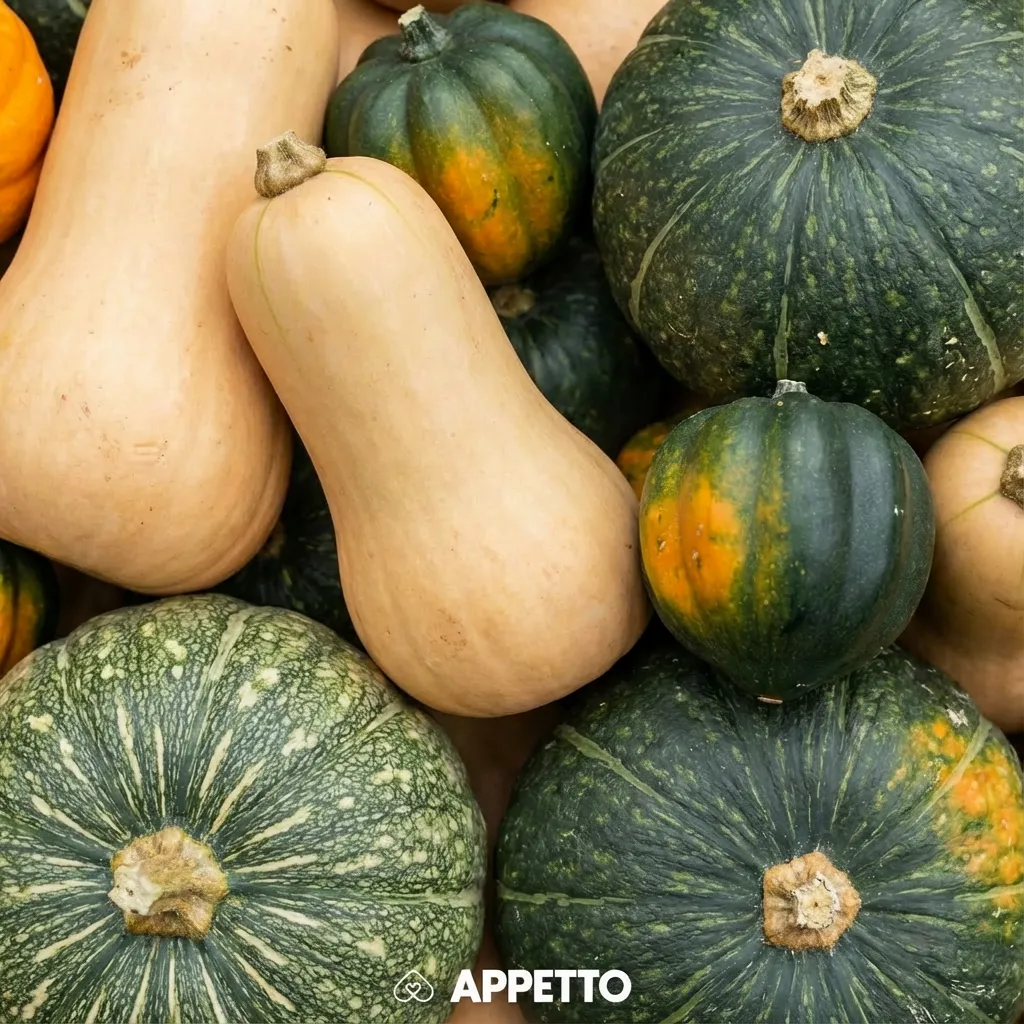
You may wonder if pumpkin seeds can be a safe treat for your furry friend. For dogs, pumpkin seeds are allowed in moderation.
Benefits of Pumpkin Seeds
While their overall nutritional value is low, pumpkin seeds offer useful benefits. They provide fibers and minerals, making them an excellent support for the intestinal transit and an interesting occasional treat. Scientifically, pumpkin (Cucurbita pepo) contains fibers that help improve stool consistency.
How to Serve Them Safely
To safely feed pumpkin seeds to your dog, offer them raw but always hulled and crushed. The hard shell is considered a bad part and should be avoided. Crushing the seeds helps limit the risk of choking and makes them easier to digest. It is recommended to offer them in small quantities and as an occasional treat.
Potential Risks
Although safe when prepared properly, pumpkin seeds come with a few risks to consider:
- Nutritional risk: They contain moderate fats. Feeding them too often can lead to a caloric overload, and an excess can trigger diarrhea.
- Mechanical risk: Whole seeds present a choking hazard.
Vulnerable Dogs
Small breed dogs are particularly vulnerable to the mechanical risk of choking if the seeds are swallowed whole.
Symptoms to Monitor and What to Do
If your dog consumes too many pumpkin seeds or eats them whole, the following symptoms may occur:
- Vomiting
- Diarrhea
It is advised to monitor your dog’s stools after they eat pumpkin seeds. If symptoms appear, persist, or seem concerning, you should contact a veterinarian.
Frequently Asked Questions
Can I give my dog whole pumpkin seeds?
No, it is recommended to offer the seeds hulled and crushed. Whole seeds present a choking hazard, particularly for small dogs.
Are pumpkin seeds a good daily treat?
They should be given as an occasional treat in small quantities. Feeding them too frequently can lead to caloric overload due to their fat content and may cause transit issues.
APPETTO
If you want to learn more about canine nutrition, you can download APPETTO. The application helps users better understand the diet of dogs and cats and access information about various foods.
This article is provided for informational purposes only and does not replace the advice or diagnosis of a veterinarian. A veterinarian should be consulted in case of concerning or persistent symptoms.