


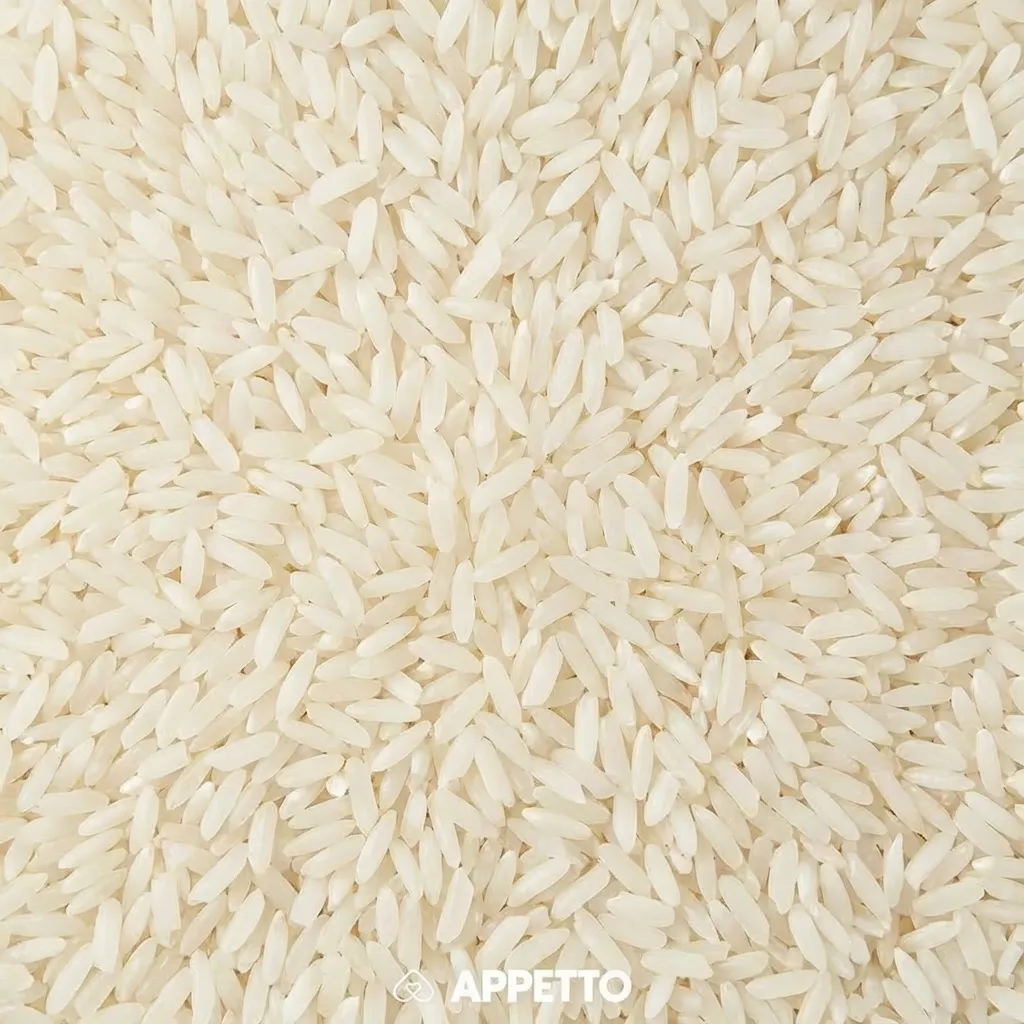
Rice is a staple in many households, and you may wonder if it is safe to share with your dog. The answer is yes: rice is allowed in moderation. When properly prepared, it can be an occasional addition to your dog’s diet.
Benefits and Proper Preparation
While its overall nutritional value is low, rice provides a good source of energy. Brown rice is generally preferred, as it offers B vitamins and minerals, and its fibers support bowel regularity. The cooking water can also be useful during episodes of mild diarrhea.
Preparation is key. Through the gelatinization of starch, cooking significantly increases the digestibility of rice for dogs. Therefore, you should only serve well-cooked grains, offered plain and in small portions. Raw grains must be avoided, as well as very large, repeated portions. Well-cooked rice is often recommended as part of a light, digestible diet.
Potential Risks and Vulnerable Dogs
Feeding your dog excessive amounts of rice presents certain risks. There is a nutritional risk associated with carbohydrates: giving too much can lead to caloric overload and weight gain. Additionally, an excess of white rice poses a digestive risk and may cause constipation. Finally, while rare, allergic reactions to rice can occur.
Certain dogs are more vulnerable. If your dog is sedentary, overweight, or diabetic, it is important to carefully monitor the quantities provided.
Symptoms to Watch For
If your dog eats raw rice or an excessive amount, symptoms may appear. Depending on the quantity and type ingested, you might observe:
- Vomiting
- Diarrhea
- Constipation
If these symptoms develop after your dog eats rice, monitor your pet and contact a veterinarian if the signs persist, worsen, or seem concerning.
Learn More with APPETTO
To help you better understand your dog’s or cat’s diet, you can use the APPETTO app. It allows you to access information about various pet foods. You can download it here: https://www.download.appetto.co.
This article is provided for informational purposes only and does not replace the advice or diagnosis of a veterinarian. A veterinary professional should be consulted if any concerning or persistent symptoms occur.