


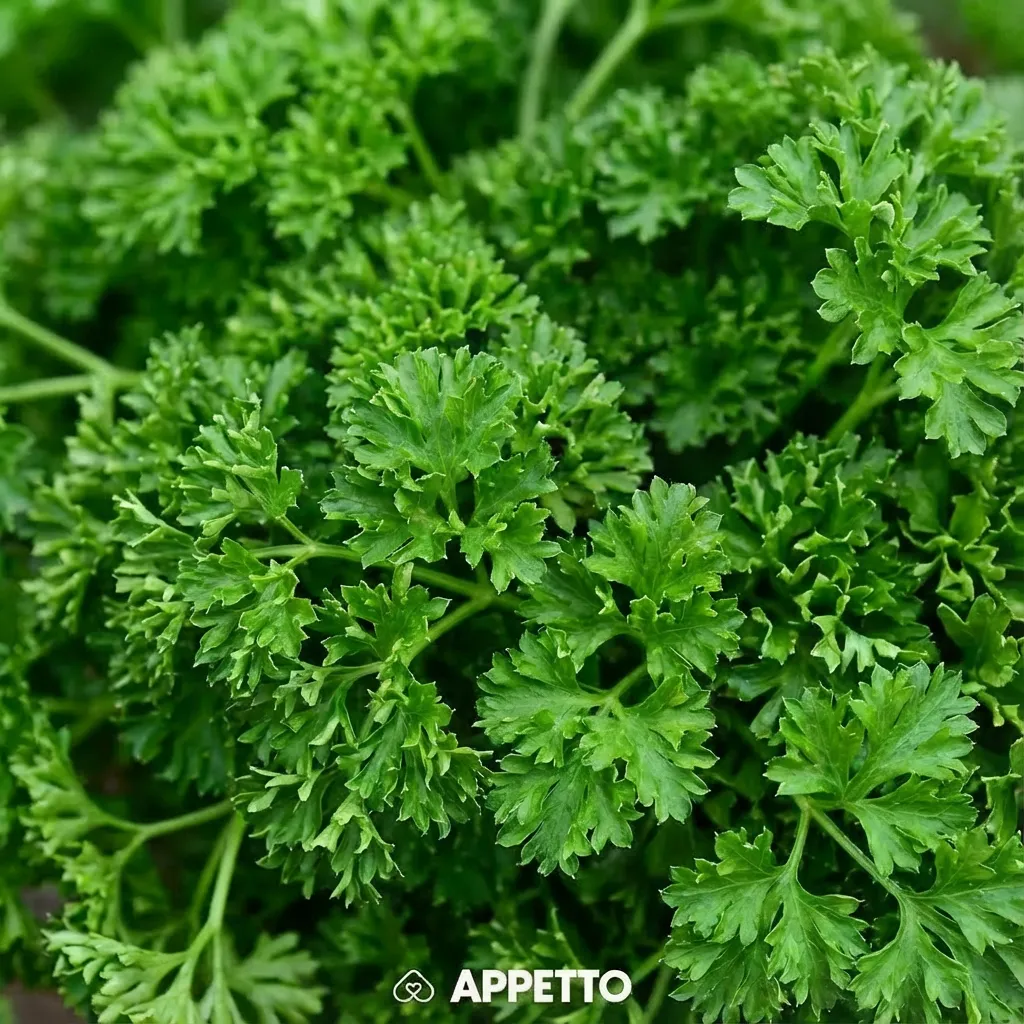
Parsley is a common aromatic herb in our kitchens. For your dog, it is allowed in moderation. This plant is non-toxic and can be safely given in small quantities as a dietary addition.
Benefits of parsley for dogs
Although its nutritional value is low, parsley offers a few benefits. It is known to help keep the breath fresh. Furthermore, it provides antioxidants, specifically polyphenols, which contribute to cellular protection.
How to prepare parsley for your dog
When introducing this culinary herb to your dog’s diet, do so gradually. Only offer the leaves, and ensure they are very finely chopped, whether served raw or cooked. A small pinch is sufficient. The stems are fibrous and present a mechanical risk, potentially causing discomfort if not properly chopped.
Risks and symptoms to monitor
Consuming an excess of parsley poses a nutritional risk and can lead to gastrointestinal issues. Puppies and senior dogs are more vulnerable, as they tend to be more sensitive to dietary fibers.
Symptoms of overconsumption may include:
- Soft stools
- Vomiting
- Diarrhea
What to do in case of excess ingestion
If your dog has eaten a large amount of parsley, monitor them for any digestive upset. If symptoms like vomiting or diarrhea appear, persist, or seem concerning, it is recommended to contact a veterinarian.
About APPETTO
To learn more about what foods are safe for your pet, you can use the APPETTO app. It helps owners better understand dog and cat nutrition and provides useful food information.
This article is provided for informational purposes only and does not replace professional veterinary advice or diagnosis. If your dog experiences concerning or persistent symptoms, please consult a veterinarian.