


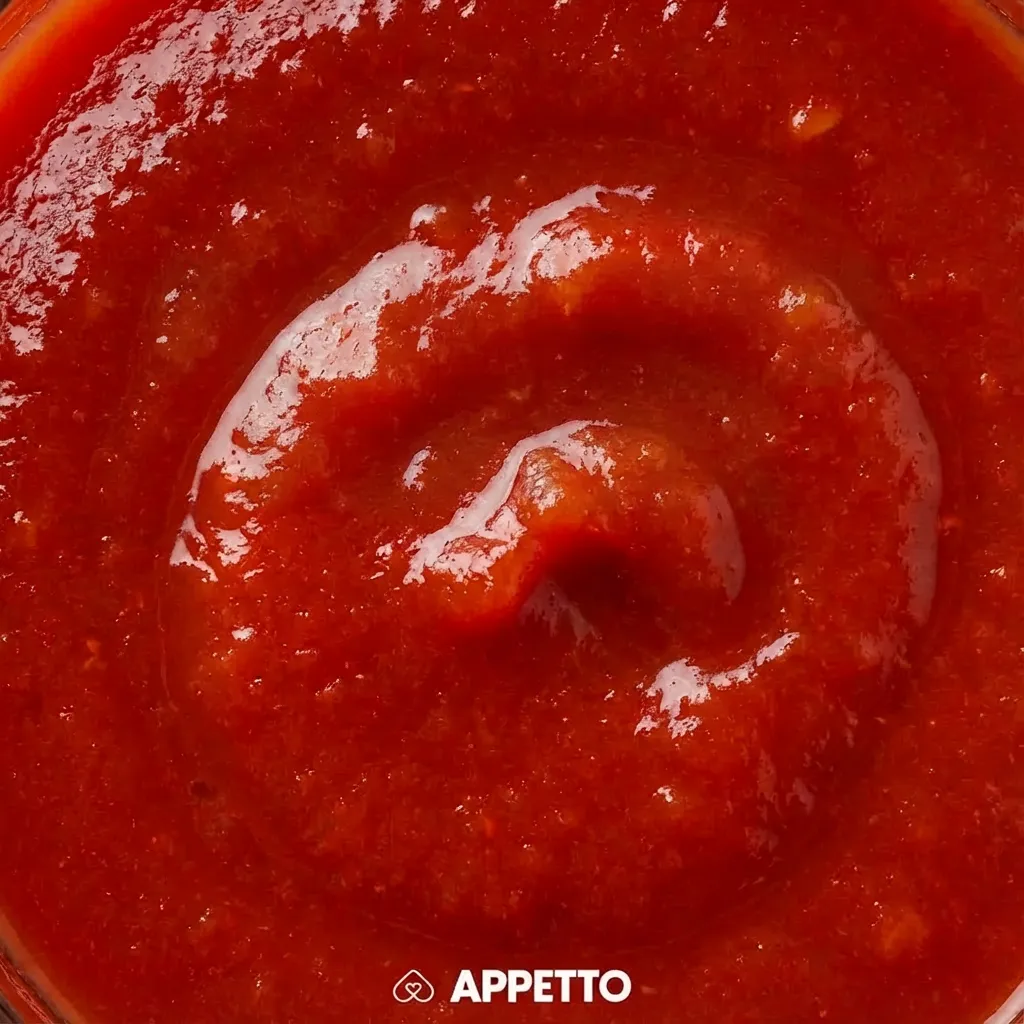
Many pet owners wonder if they can share some tomato juice with their dogs. The answer is that it is allowed in moderation. It is always best to offer only very small quantities, regardless of whether it is raw or cooked.
Benefits and Nutritional Value
When made from the ripe fruit (Solanum lycopersicum), it can provide a small amount of hydration. However, the overall nutritional value is low, and the intake remains minimal.
Safe and Unsafe Parts
The ripe pulp is the only part considered safe. It is crucial to completely avoid the leaves, stems, and any green fruit. Additionally, tomato sauces should be avoided altogether. If you are using industrial juices, there may also be a nutritional risk associated with added sodium.
Risks and Scientific Mechanisms
One of the primary risks of tomato juice is its acidity. More importantly, the green parts of the plant present a chemical toxicity risk due to the presence of solanine and tomatine, which can cause nausea. Scientifically, these glycoalkaloids have the potential to disrupt nerve conduction if consumed in high doses.
Symptoms to Watch For
If your dog happens to ingest the green parts or excessive amounts, poisoning symptoms may appear, such as:
- Vomiting
- Salivation
- Diarrhea
Vulnerable Animals
Puppies require increased caution, as they can be more sensitive to new foods and potential toxins.
What to Do In Case of Ingestion
If your dog has consumed parts of an unripe tomato or starts showing the symptoms listed above, monitor them closely. If these symptoms appear, persist, worsen, or seem concerning, contact a veterinarian promptly. This article cannot be used to individually assess the severity of an ingestion.
Frequently Asked Questions
Can I give tomato sauce to my dog?
No, tomato sauces should be avoided. Only the ripe pulp of the tomato is considered safe in small quantities.
The APPETTO App
To help you better understand your dogs’ and cats’ diets and easily consult information about various foods, you can download APPETTO. The application is designed to guide users in exploring pet nutrition.
This article is provided for informational purposes only and does not replace the advice or diagnosis of a veterinarian. A veterinarian must be consulted in the event of concerning or persistent symptoms.