


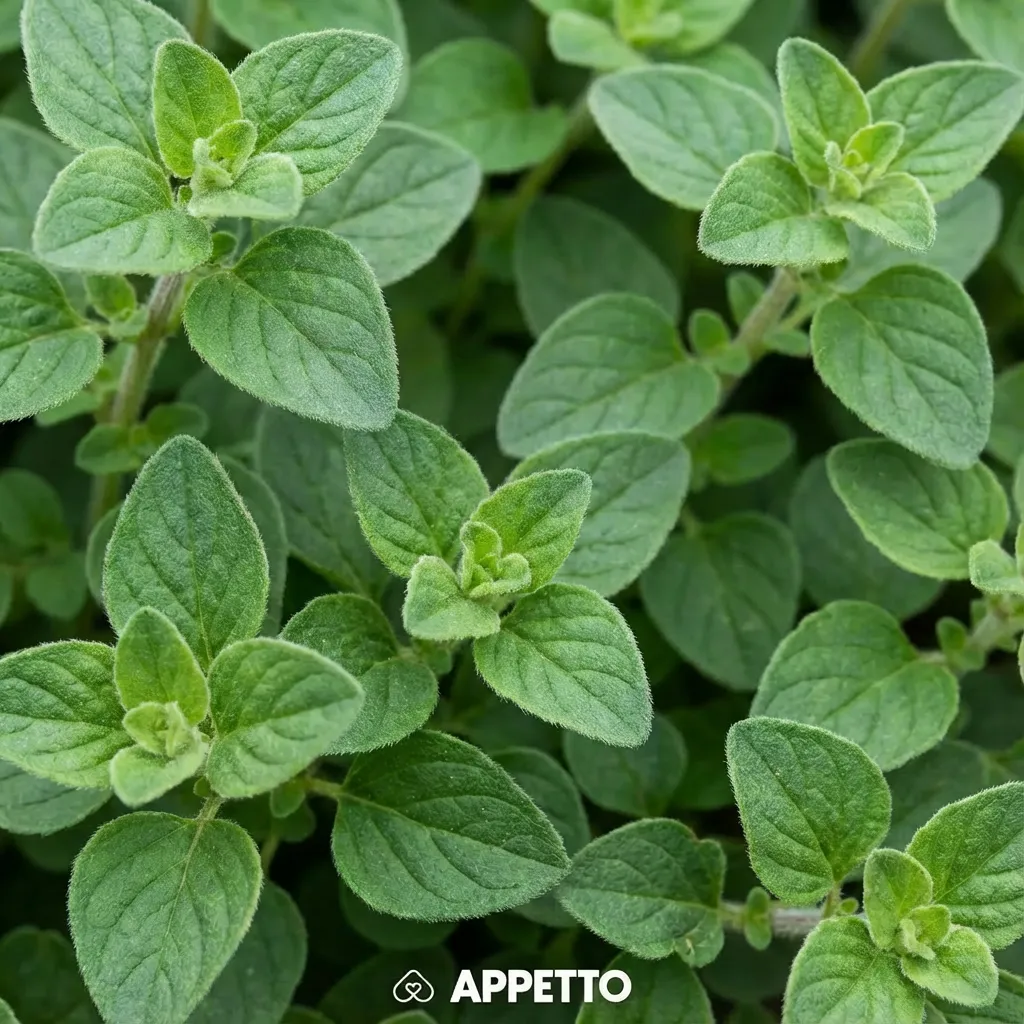
You can give dried oregano to a dog, but this herb is only allowed with moderation. While it can occasionally be added to their diet, specific precautions are necessary due to its high concentration.
Nutritional Value and Properties
Dried oregano has a low overall nutritional value. However, it can be used as a supplementary addition for the dog’s intestine. Scientifically, this herb contains carvacrol, a compound known for its antibacterial action. The concentration of this compound is higher in the dried state than in the fresh plant. Therefore, dried oregano offers the same effects as the fresh version but is much more concentrated, requiring a very light dosage.
Safe Parts and Forms to Avoid
The dried leaves are the safe part for dogs. They can be given as a simple pinch on a very occasional basis, and whether it is served raw or cooked does not matter.
Conversely, highly concentrated forms must be avoided, specifically oregano essential oils, which pose a chemical risk to the animal.
What Are the Risks for Dogs?
If not given in moderate amounts, dried oregano exposes dogs to certain risks:
- Nutritional risk: an excess of dried herbs can cause digestive irritation.
- Chemical risk: associated with essential oils, which must be avoided.
Symptoms to Watch For
In case of an overdose or excessive ingestion of dried oregano, digestive irritation symptoms may appear. You should carefully monitor for:
- Vomiting
- Diarrhea
What to Do in Case of Excessive Ingestion?
If your dog has consumed a large amount of dried oregano or has been exposed to the essential oil, closely monitor them for digestive issues. If vomiting or diarrhea occurs, persists, or seems concerning, contact a veterinarian for advice tailored to your dog’s situation.
Discover the APPETTO App
To help you better understand your dog’s diet and easily check information about various foods, you can use the APPETTO application. It is available for download at https://www.download.appetto.co.
This article is provided for informational purposes only and does not replace the advice or diagnosis of a veterinarian. Always consult an animal health professional if concerning or persistent symptoms occur.