


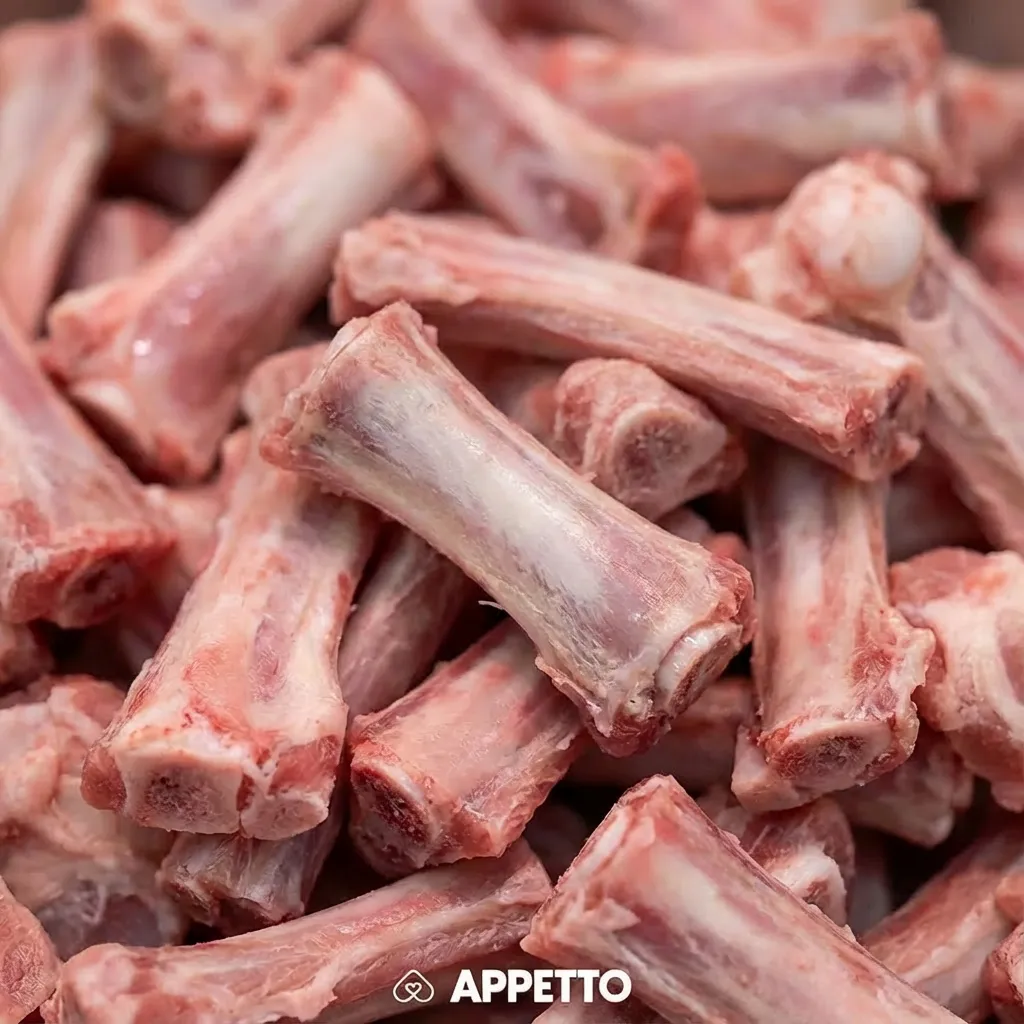
Goat bones are strictly forbidden for cats. Like other ungulate bones, they can cause splinters, obstruction, perforation, dental fractures, pain, and constipation.
Quick verdict
- For cats: strictly forbidden.
- To remember: no goat bones, whether raw or cooked.
Goat bones and cats: why is it too risky?
Cats are not suited for chewing this type of bone. A fragment can easily injure or block their digestive tract.
Any potential benefits?
No benefit justifies this risk.
- No nutritional necessity.
- Safer dental alternatives are available.
Risks you need to know
- Splinters: digestive perforations.
- Obstruction: bowel blockages.
- Fragments: esophageal damage.
How much to give?
None.
Raw or cooked?
Both should be avoided. Cooked bones are even more brittle and prone to splintering.
How to prevent an accident?
- Remove all bones from meat.
- Do not give them bone-in leftovers.
- Keep bones well out of reach.
At-risk cats
- Kittens.
- Seniors.
- Greedy eaters.
- Cats with fragile teeth.
My cat swallowed a bone: what should I do?
Contact a vet immediately if you observe drooling, vomiting, constipation, pain, or blood.
How can APPETTO help?
APPETTO helps you spot mechanical risks, compare cat products using the Pet-Score®, and make safer choices. Download APPETTO.
FAQ
Can my cat eat a goat bone?
No.
Is a raw bone acceptable?
No, it remains highly risky.
Is a cooked bone dangerous?
Yes, it can easily shatter into sharp splinters.
What signs should I look out for?
Drooling, vomiting, constipation, or signs of pain.
Can a senior cat eat them?
No.
What alternative should I choose?
An appropriate feline dental treat.
Goat bones are forbidden for cats. To compare safer options, APPETTO helps you with the Pet-Score®. Download APPETTO.
Credits and warning
Credits: Content created by the APPETTO team based on referenced sources and our internal food classification methodology.
Warning: This information is general and does not replace the advice of a veterinarian.