


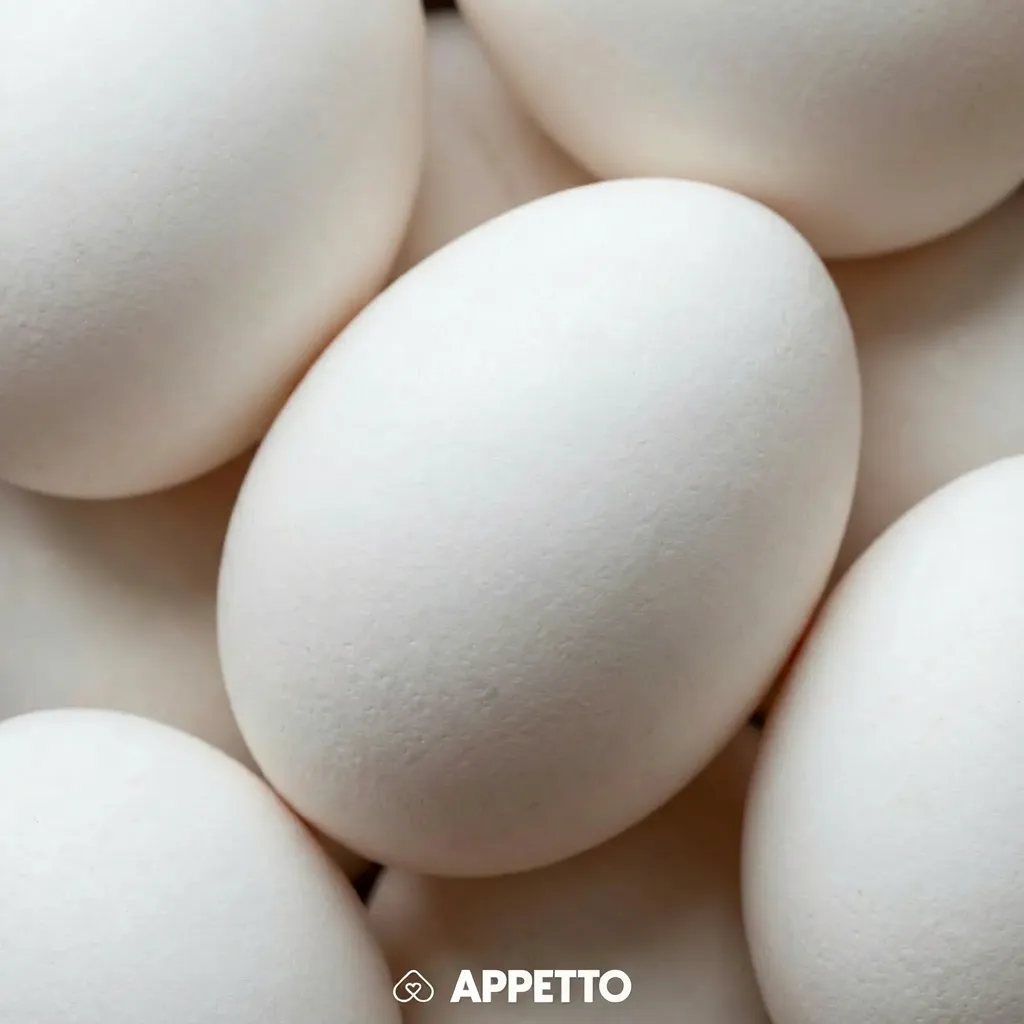
Can Cats Eat Goose Eggs?
The goose egg is allowed with moderation for cats. When appropriately prepared, it can be a safe occasional treat, though certain precautions must be taken to ensure your cat’s well-being.
Nutritional Value and Benefits
Goose eggs have a high nutritional value. They can provide an occasional protein intake for your cat.
Preparation and Safe Parts
It is important that goose eggs are well cooked before being offered to a cat, as cooked eggs are generally better tolerated. The safe parts to feed are the cooked white and the cooked yolk. Conversely, the uncrushed whole shell should be avoided.
Cooking is crucial because it reduces the activity of avidin, a component found in the egg.
Risks and Precautions
While goose eggs are permitted, they present specific risks:
- Caloric density: There is a nutritional risk due to the calories present in a goose egg. It is necessary to limit the quantity provided.
- Bacteria: Feeding an undercooked goose egg can expose your cat to harmful bacteria.
Sedentary cats are particularly vulnerable. They face a risk of weight gain if given high-calorie foods like goose eggs without proper portion control.
Symptoms to Watch and What to Do
If a cat consumes an undercooked goose egg, the following symptoms may appear:
- Vomiting
- Diarrhea
Should these symptoms occur, monitor your cat closely. Contact a veterinarian if the signs persist or seem concerning.
The APPETTO App
The APPETTO application helps users better understand the diet of dogs and cats and allows them to consult information on various foods. You can download it here: APPETTO.
This article is provided for informational purposes only. It does not replace the advice or diagnosis of a veterinarian. A veterinarian should be consulted in the event of concerning or persistent symptoms.