


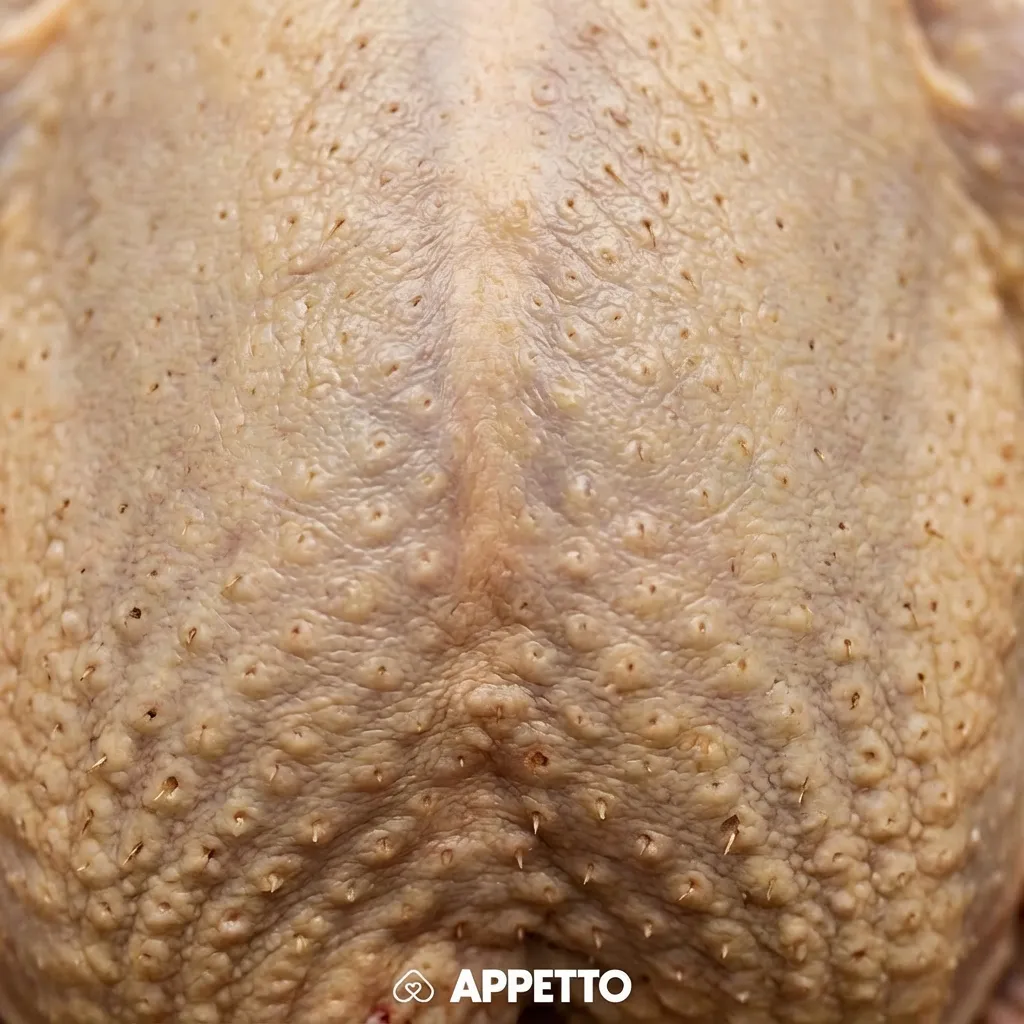
Guinea fowl skin should be avoided for cats. It is high in fat, difficult to digest, sometimes risky if raw, and can cause vomiting, diarrhea, abdominal pain, or lethargy.
Quick Verdict
- For cats: to be avoided.
- Key takeaway: remove the skin and offer only the boneless meat.
Guinea fowl skin and cats: fat is the main issue
Even though guinea fowl is a nutritious meat, its skin is not suitable for cats. It mainly provides fats and increases the risk of digestive issues.
What are the possible benefits?
No significant benefits.
- May be highly palatable.
- But the risks outweigh the benefits.
Risks to be aware of
- Fats: potential diarrhea and pancreatitis.
- Raw skin: potential bacteria.
- Thick pieces: risk of intestinal blockage.
How much to give?
It is not recommended to give any amount on purpose.
Raw or cooked?
Cooking can reduce bacteria, but the skin remains too fatty. Therefore, it should be avoided.
How to prepare guinea fowl?
- Remove the skin.
- Remove all bones.
- Give a small portion of plain cooked meat.
At-risk cats
- Obese cats.
- Cats with a history of pancreatitis.
- Senior cats.
- Cats with sensitive digestion.
My cat ate guinea fowl skin: what should I do?
Monitor for vomiting, diarrhea, abdominal pain, or lethargy. Contact a vet if symptoms persist.
How can APPETTO help?
APPETTO helps you identify overly fatty parts, compare cat products with the Pet-Score®, and make safer choices. Download APPETTO.
FAQ
Is guinea fowl skin toxic to cats?
It is mostly just too fatty and hard to digest.
Can my cat eat a small piece of cooked skin?
It is best avoided.
Why is the skin risky?
Because of the fats and the risk of digestive issues.
What signs should I watch for?
Vomiting, diarrhea, or lethargy.
Can an obese cat eat it?
No.
Is guinea fowl meat allowed?
Yes, boneless and in a small portion.
Guinea fowl skin should be avoided for cats. To compare foods and find more suitable feline products, APPETTO helps you with the Pet-Score®. Download APPETTO.
Credits and disclaimer
Credits: Content developed by the APPETTO team based on referenced sources and our internal food classification methodology.
Disclaimer: This information is general and does not replace veterinary advice.