


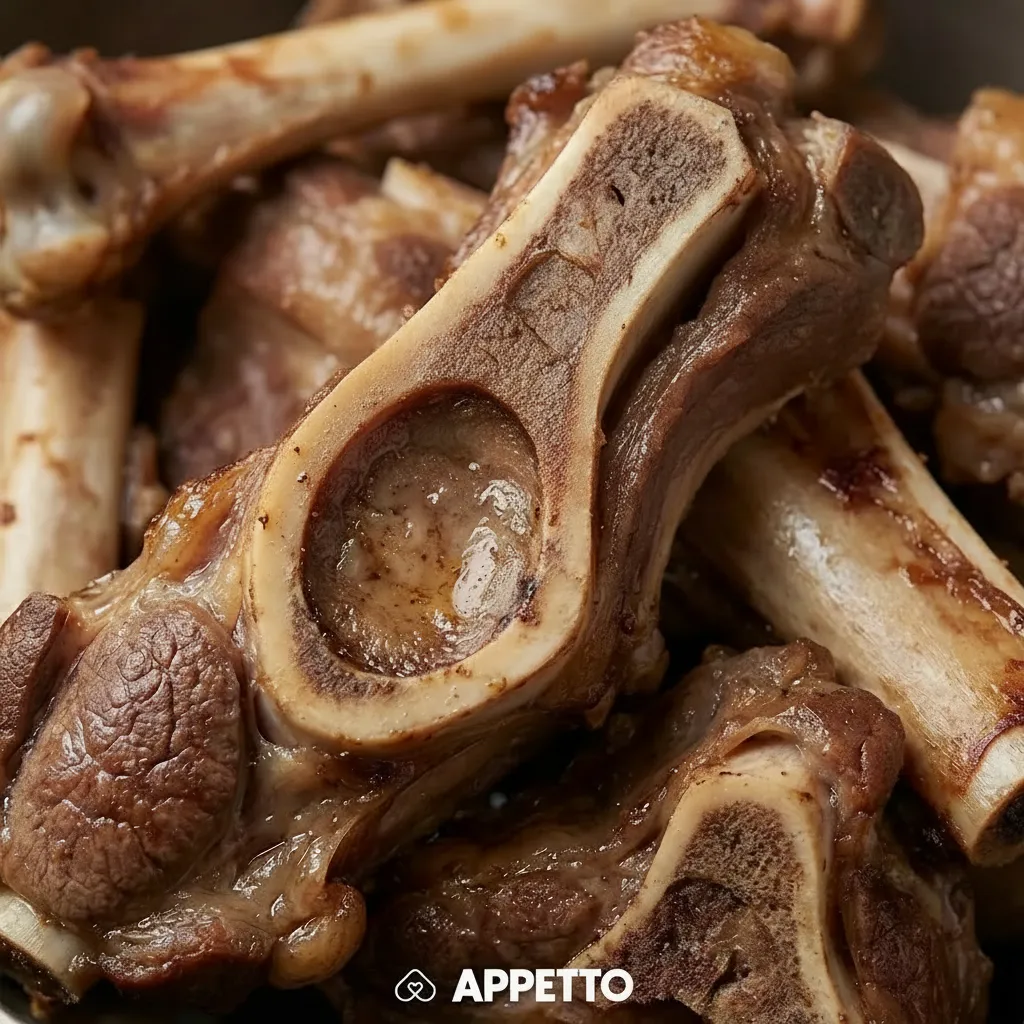
Lamb bones are strictly forbidden for cats. Whether raw or cooked, they expose them to choking, bone splinters, digestive perforations, dental fractures, and infections.
Quick verdict
- For cats: strictly forbidden.
- To remember: no lamb bone, whether raw or cooked, should ever be given to a cat.
Lamb bones and cats: why is it too risky?
Cats have small jaws, sometimes swallow fragments whole, and can easily injure themselves with splinters. The supposed dental benefits do not outweigh the significant mechanical risks.
Are lamb bones dangerous for cats?
Yes. Fragments can cut, perforate, or block the esophagus or intestines. Raw bones carry an additional microbial risk, while cooked bones break much more easily into sharp, dangerous pieces.
What are the possible benefits?
No benefit justifies giving lamb bones to a cat.
- High mechanical risk.
- Safer dental alternatives are available.
Risks to be aware of
- Splinters: severe cuts and internal perforations.
- Obstruction: bone fragments getting stuck in the digestive tract.
- Microbial load: potential gastroenteritis from raw bones.
How much lamb bone can you give your cat?
None. Lamb bones must be completely excluded from their diet.
- Adult cat: zero.
- Kitten: zero.
- Senior cat: zero.
Raw or cooked bones: is there a difference?
Both are to be avoided. Cooked bones splinter into sharp shards, while raw bones can be contaminated with bacteria and still remain mechanically dangerous.
How to prevent accidents?
- Never give bones to your cat.
- Carefully remove bones from meat leftovers.
- Use toys or dental solutions specifically designed for cats.
Which cats are most at risk?
- Kittens.
- Senior cats.
- Fast or greedy eaters.
- Cats with fragile teeth.
- Cats with a history of digestive obstructions.
My cat swallowed a lamb bone: what should I do?
Contact a veterinarian immediately, especially if your cat is coughing, drooling excessively, vomiting, appears to be in pain, or if you notice blood in their stool.
What signs should alert you?
Choking, excessive salivation, vomiting, abdominal pain, blood in the stool, constipation, or severe lethargy should alert you right away.
What are safer alternatives?
- Dental toys for cats.
- Appropriate dental treats.
- Complete cat food with an adapted texture.
How can APPETTO help you?
APPETTO helps you identify mechanical risks in food, compare cat products using the Pet-Score®, and choose safer options. Download APPETTO.
FAQ
Can my cat eat a lamb bone?
No, lamb bones are strictly forbidden.
Is a raw bone safer for a cat?
No, it remains mechanically dangerous and can be contaminated with bacteria.
Is a cooked bone dangerous?
Yes, it can easily splinter into sharp pieces.
What signs should I watch for after ingestion?
Drooling, vomiting, abdominal pain, or blood in the stool.
Can a kitten eat a small bone?
No, never.
What should I do if my cat swallowed a bone fragment?
Contact a veterinarian as soon as possible.
Lamb bones are forbidden for cats: the mechanical risks are simply too high. To compare safer alternatives, APPETTO helps you with the Pet-Score®. Download APPETTO.
Credits and disclaimer
Credits: Content created by the APPETTO team based on referenced sources and our internal food classification methodology.
Disclaimer: This information is general and does not replace professional veterinary advice.