


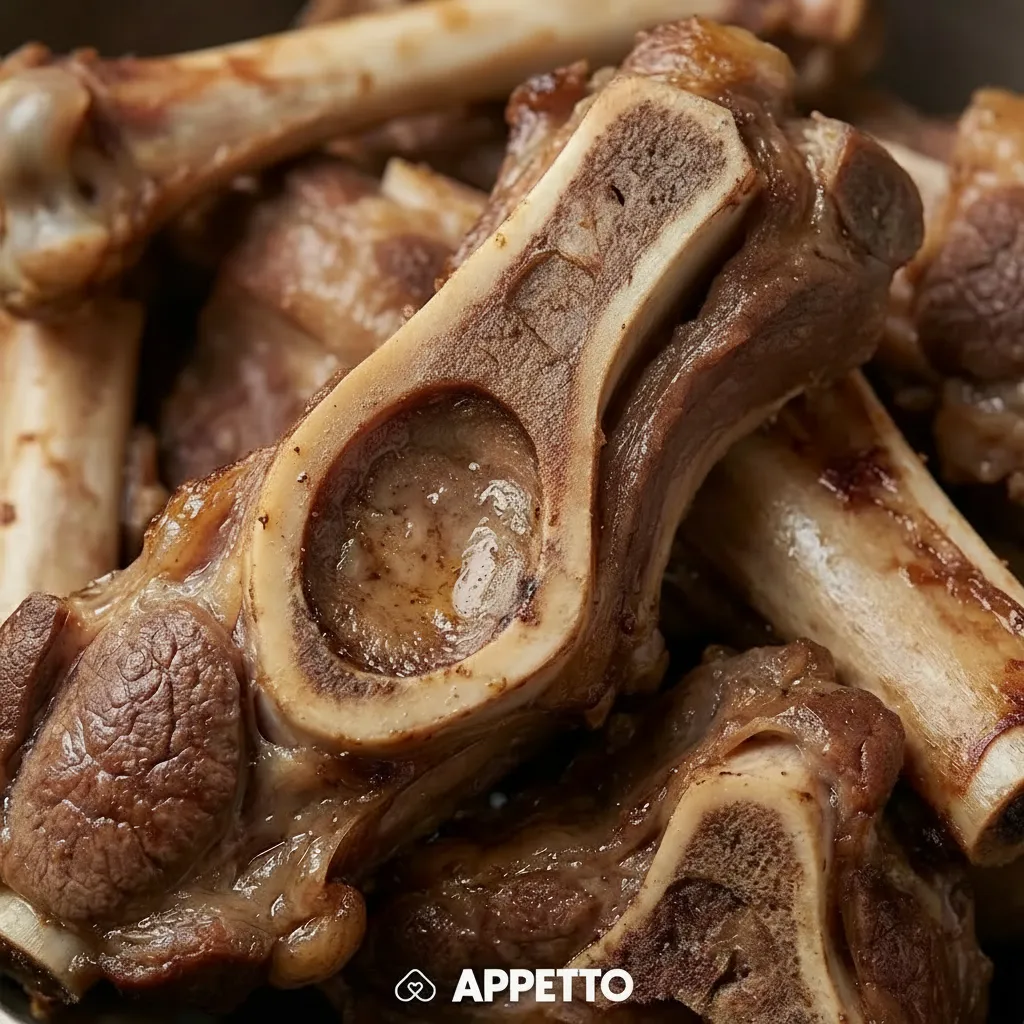
Lamb skin should be avoided for dogs. It might seem like an interesting chew, but it has little nutritional value, is hard to digest, and can cause choking, blockages, or contamination depending on the product.
Quick verdict
- For dogs: best to avoid.
- Key takeaway: especially avoid rawhide-type skins, large shreds, and treated products.
Lamb skin and dogs: a real treat or a bad idea?
Dried or pressed skins can keep a dog busy, but the risk of blockage outweighs the benefits. Pieces can swell, get stuck, or be swallowed without sufficient chewing.
Is lamb skin dangerous for dogs?
It can be, especially in the form of thick shreds or rawhide. The low digestibility of compacted collagen can slow down bowel movements and increase the risk of an obstruction.
What are the possible benefits?
The benefits are limited.
- Keeps the dog busy through chewing.
- Possible mechanical cleaning effect on the teeth.
- Low nutritional value, however.
Risks to be aware of
- Swollen pieces: esophageal or intestinal obstruction.
- Tanning residues: potential irritation or poisoning.
- Contamination: bacteria or chemical residues.
How much lamb skin can you give your dog?
It is better not to give it at all. If a chew skin is used, it must be selected with great care, suited to the dog’s size, and taken away as soon as it becomes a hazard.
- Small dogs: avoid.
- Medium dogs: avoid.
- Large dogs: avoid or use a safer alternative.
Raw, dried, or treated skin: what should you know?
The risks remain regardless of the form. Treated or pressed skins are particularly problematic.
How to minimize the risk?
- Opt for safer chewing alternatives.
- Avoid thick shreds.
- Always supervise a chewing dog.
When should it be strictly avoided?
- Puppies.
- Brachycephalic dogs.
- Greedy eaters.
- Dogs with a history of bowel obstruction.
- Dogs with sensitive digestion.
My dog swallowed a piece of lamb skin: what should I do?
Watch for vomiting, diarrhea, constipation, abdominal pain, or difficulty swallowing. If in doubt, contact a vet.
What warning signs to look out for?
Choking, vomiting, diarrhea, constipation, lethargy, abdominal pain, or lack of bowel movements.
What are safer alternatives?
- Appropriate chew toys.
- Approved dental treats.
- Food-based puzzle toys under supervision.
How can APPETTO help?
APPETTO helps you identify risky treats, compare dog products using the Pet-Score® and choose safer chewing options. Download APPETTO.
FAQ
Is lamb skin toxic to my dog?
It is not inherently toxic, but it poses significant mechanical risks.
Can my dog eat rawhide?
It is best to avoid it due to the risks of choking and blockages.
Is lamb skin digestible?
It is poorly digestible, especially in large pieces.
What signs should I monitor after ingestion?
Vomiting, constipation, diarrhea, or abdominal pain.
Can a puppy chew lamb skin?
No, the risk is too high.
Can a brachycephalic dog eat it?
Better to avoid it, as the risk of choking is greater.
Lamb skin should be avoided for dogs: it is of little use and too risky. To compare safer treats and products, APPETTO helps you with the Pet-Score®. Download APPETTO.
Credits and disclaimer
Credits: Content created by the APPETTO team based on referenced sources and our internal food classification methodology.
Disclaimer: This information is general and does not replace veterinary advice.