


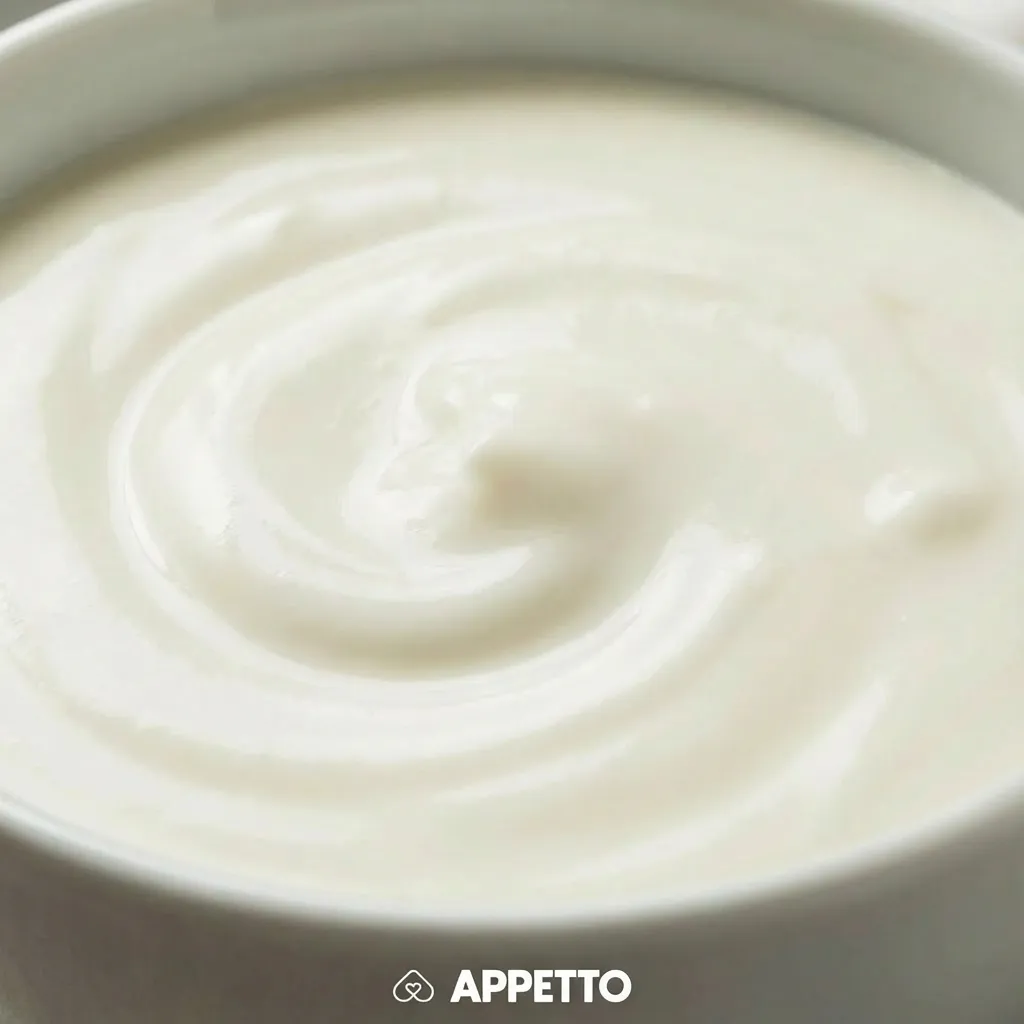
Liquid cream should be avoided for dogs. It contains fats, lactose, and can cause digestive issues, especially in sensitive dogs. A small accidental lick isn’t necessarily serious, but intentionally giving it to your dog has no benefit. Cream is for sauces. Your dog deserves better than a fatty shortcut.
Quick verdict
- For dogs: avoid.
- Key takeaway: fats and lactose can cause diarrhea, vomiting, or digestive discomfort.
Liquid cream for dogs: allowed, to limit, or forbidden?
Liquid cream is not recommended for dogs. Even though it seems lighter than heavy cream, it remains a fatty dairy product that can be poorly tolerated. Puppies and sensitive dogs should particularly avoid it.
Is liquid cream dangerous or toxic for dogs?
Liquid cream is not toxic like a forbidden food, but it can become dangerous in large amounts. Fats can overload the digestive system and the pancreas, while lactose can trigger diarrhea or vomiting.
What are the possible benefits?
The benefits are minimal. Liquid cream mainly provides calories and fat, without any real nutritional value.
- Energy intake, but useless in a balanced diet.
- Appealing taste, but that is not enough to make it a suitable food.
What are the risks to know?
The risk depends on the amount swallowed and the dog’s sensitivity.
- Fats: digestive overload, diarrhea, vomiting, or pancreatic risk.
- Lactose: colonic fermentation and digestive discomfort.
- Parts to avoid: plain cream, sauces, desserts, savory or sweet dishes based on cream.
How much to give to your dog?
No amount is recommended. It is best to avoid giving liquid cream.
- Small dog: avoid completely.
- Medium dog: avoid; monitor in case of ingestion.
- Large dog: avoid as well, especially in large amounts.
Can my dog eat liquid cream raw, cooked, or in a sauce?
No. Liquid cream remains unsuitable whether raw or cooked. In a sauce, it may be mixed with salt, garlic, onion, cheese, butter, or spices, which worsens the risk.
How to prepare it properly?
- Do not add it to the bowl.
- Do not give leftovers of cream-based dishes or desserts.
- In case of accidental ingestion, check the associated ingredients.
In which cases should it be avoided?
- Puppies.
- Senior dogs.
- Dogs sensitive to lactose, overweight, or prone to digestive issues.
- Dogs on medication, with digestive or pancreatic diseases, or on a veterinary diet.
My dog ate liquid cream: what should I do?
For a small lick, monitor their digestion. If your dog swallowed a large amount, a rich sauce, or if they show vomiting, diarrhea, abdominal pain, or fatigue, contact your vet.
What signs should you look out for?
Vomiting, diarrhea, gas, abdominal pain, fatigue, or loss of appetite should raise a red flag, especially in a fragile dog.
What are safer alternatives?
- A suitable dog treat.
- A small piece of plain cooked lean meat.
- A portion of suitable vegetables like cooked zucchini.
How can APPETTO help you?
APPETTO helps you better understand everyday foods that can cause problems for dogs. With the Pet-Score®, you can compare products and make clearer choices for their bowl. Download APPETTO.
FAQ
Is liquid cream toxic to my dog?
No, not like a poison, but it can cause digestive issues due to fats and lactose.
How much liquid cream can I give my dog?
No amount is recommended. It is better to avoid it.
Can my dog eat cooked liquid cream?
No, whether cooked or raw, it remains too fatty and rich in lactose.
Can my dog eat a liquid cream sauce?
No, sauces are often fatty, salty, and sometimes made with dangerous ingredients.
What signs should I monitor if my dog ate liquid cream?
Watch for vomiting, diarrhea, gas, abdominal pain, and fatigue.
Can a puppy eat liquid cream?
No, puppies are more sensitive to dairy products and fatty foods.
Liquid cream should therefore be avoided for dogs: too fatty, high in lactose, and of little use. To better compare suitable foods and products for your dog, APPETTO helps you with the Pet-Score®. Download APPETTO.
Credits and warning
Credits: Content developed by the APPETTO team based on referenced sources and our internal food classification methodology.
Warning: This information is general and does not replace veterinary advice.