


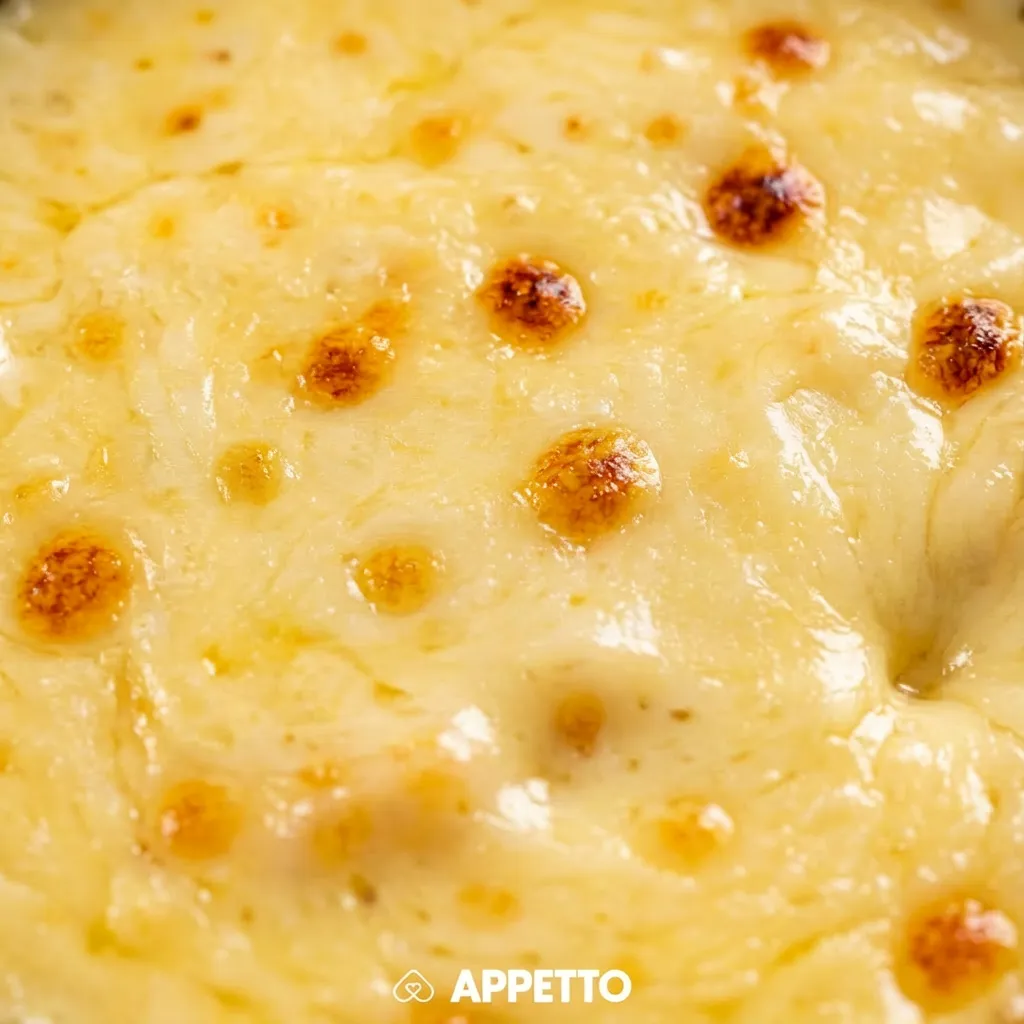
Melted cheese should be avoided for dogs. This type of product is often more processed, saltier, fattier, and less beneficial than a simple small piece of plain cheese. It might seem like a quick treat in the human mind, but for a dog, it is mostly a cocktail of salt, additives, and calories. Not exactly a winning trio when it comes to cheese for dogs.
Quick Verdict
- For the dog: to be avoided.
- To remember: highly processed product, often salty and fatty, with no real benefit for the dog.
Melted cheese for dogs: allowed, limited, or forbidden?
Melted and processed cheese is not recommended for dogs. Even if a tiny accidental amount doesn’t always cause symptoms, it’s better not to give it intentionally. Its composition can vary by brand, containing salt, fats, additives, or flavorings. If you often wonder, “can dogs have cheese?”, it’s best to stick to safer options.
Is melted cheese dangerous or toxic for dogs?
Melted cheese isn’t necessarily toxic in trace amounts, but it can become dangerous in excess. The salt can cause thirst and fluid imbalance, while the fats can promote diarrhea, vomiting, and, in sensitive dogs, pancreatitis.
What are the possible benefits?
The benefits are very limited. Palatability alone does not justify its use.
- Appetizing texture, sometimes convenient, but easily replaceable.
- No specific nutritional interest for dogs and cheese diets.
What are the risks to know?
Melted cheese mainly poses a problem regarding its processing and composition.
- Salt: thirst, discomfort, and unnecessary strain.
- Fats: caloric overload, diarrhea, or risk of pancreatitis if given in excess.
- Parts to avoid: flavored versions, highly salted portions, sauces, burgers, toasted sandwiches, or processed meals.
How much to give to your dog?
No amount is recommended. Melted cheese should be avoided altogether.
- Small dog: avoid entirely.
- Medium dog: avoid; monitor in case of ingestion.
- Large dog: avoid as well, especially if the quantity is significant.
Can my dog eat plain melted cheese, cheese slices, or cheese sauce?
No. Melted slices, processed cheese portions, and cheese sauces are often too salty and heavily processed. These preparations can contain other unsuitable ingredients: spices, onion, garlic, deli meats, fatty bread, or industrial sauces.
How to prepare it correctly?
- Do not give it to your dog intentionally.
- Avoid giving leftovers from processed meals containing melted cheese.
- If your dog eats some, check the quantity and the list of associated ingredients.
When should it be avoided?
- Puppies.
- Senior dogs.
- Overweight dogs, those sensitive to salt, or prone to digestive disorders or pancreatitis.
- Dogs under medication, with kidney or heart disease, or on a veterinary diet.
My dog ate melted cheese: what should I do?
If your dog ate a small trace, simply monitor them. If the amount is large, if the product was very salty, or part of a dish containing garlic, onion, or deli meats, contact your vet.
What signs should alert you?
Vomiting, diarrhea, unusual thirst, gas, abdominal pain, lethargy, or loss of appetite should be cause for concern.
What are safer alternatives?
- A simple, low-salt dog treat.
- A small piece of plain cooked lean meat.
- A specific veterinary aid to hide pills.
How APPETTO can help you?
APPETTO helps you compare dog products and spot those that are too processed, too fatty, or too salty. Thanks to the Pet-Score®, you have a clear benchmark to make more informed choices. Download APPETTO.
FAQ
Is melted cheese toxic to my dog?
Not necessarily in trace amounts, but it is discouraged because of the salt, fats, and possible additives.
How much melted cheese can I give my dog?
No amount is recommended. It is better to avoid it completely.
Can my dog eat a slice of melted cheese?
No, melted processed slices are often salty and heavily processed.
Can my dog eat melted cheese sauce?
No, sauces are often fatty, salty, and sometimes made with unsuitable ingredients.
What signs should I watch for if my dog ate melted cheese?
Watch for vomiting, diarrhea, unusual thirst, abdominal pain, and lethargy.
Can a puppy eat melted cheese?
No, it is better to avoid it. Puppies are more sensitive to fatty and processed foods.
Melted cheese should therefore be avoided for dogs: it is too processed, often salty, and offers no real nutritional value. To better compare suitable products, APPETTO helps you with the Pet-Score®. Download APPETTO.
Credits and disclaimer
Credits: Content developed by the APPETTO team based on referenced sources and our internal food classification methodology.
Disclaimer: This information is general and does not replace veterinary advice.