


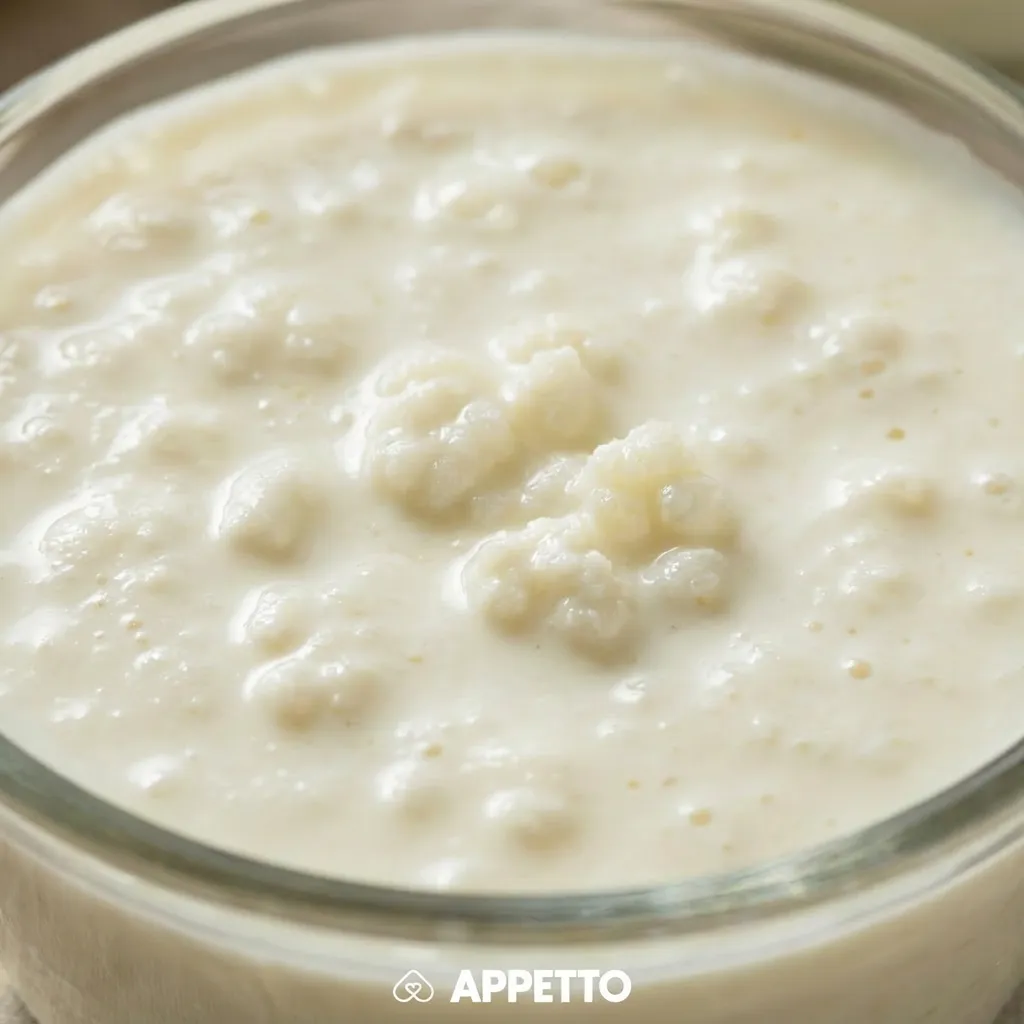
Milk kefir may be tolerated by some cats in very small quantities, but it should remain an exception. Even fermented, it can contain lactose, and many adult cats digest dairy products poorly. So we don’t turn the cat into a “gut health” influencer without thinking: micro-dosing, caution, observation.
Quick verdict
- For cats: allowed with strict moderation.
- To remember: plain, in tiny amounts, and to be stopped at the slightest digestive upset.
Milk kefir for cats: allowed, to be limited or forbidden?
Milk kefir can sometimes be tolerated in micro-quantities, but it is not necessary for a cat’s diet. The cat is a strict carnivore and dairy products must remain very limited. Residual lactose can cause diarrhea or discomfort.
Is milk kefir dangerous or toxic for cats?
Plain milk kefir is not toxic in micro-portions, but it can be dangerous if the cat is intolerant, fragile, or if the amount is too large. The most frequent symptoms are vomiting, diarrhea, flatulence, and abdominal discomfort.
What are the possible benefits?
The benefits are modest and vary depending on the cat.
- May contain potential probiotics.
- Fermentation can reduce some of the lactose, but not necessarily enough for all cats.
What are the risks to know?
Kefir must be tested with great caution.
- Lactose: frequent diarrhea in sensitive cats.
- Fats: weight gain if in excess or repeated.
- Parts to avoid: sweetened, flavored, or fruit kefir, with sweeteners or additives.
How much to give to your cat?
The amount must remain minimal.
- Adult cat: half a teaspoon maximum to test.
- Sensitive cat: avoid.
- Kitten: avoid without veterinary advice.
Can my cat drink plain, sweetened, or flavored kefir?
Only plain kefir, without sugar or flavor, can be considered in micro-quantities. Sweetened, fruity, or flavored versions are to be avoided. Kefir should never replace water or a complete diet.
How to prepare it correctly?
- Choose a plain, unsweetened kefir.
- Offer a micro-quantity only.
- Stop immediately in case of vomiting, diarrhea, or gas.
When should it be avoided?
- Kitten.
- Senior cat.
- Cat with sensitive digestion, obese, diabetic, or lactose intolerant.
- Cat undergoing treatment, with kidney failure, or on a veterinary diet.
My cat drank milk kefir: what should I do?
If your cat drank a micro-quantity of plain kefir, monitor them. If the amount is large, if the product was sweetened, or if vomiting, diarrhea, flatulence, or signs of discomfort appear, contact your veterinarian.
What signs should alert you?
Vomiting, diarrhea, flatulence, abdominal pain, fatigue, loss of appetite, or unusual behavior should alert you.
What are safer alternatives?
- A veterinary probiotic adapted for cats.
- A well-tolerated complete wet food.
- A feline digestive treat adapted to their needs.
How can APPETTO help you?
APPETTO helps you better understand which foods to limit for your cat and compare products using the Pet-Score®. You can thus make more informed choices for their bowl, without relying on current trends. Download APPETTO.
FAQ
Is milk kefir toxic to my cat?
No, not in plain micro-quantities, but it can cause diarrhea or vomiting if poorly tolerated.
How much kefir can I give my cat?
Half a teaspoon maximum to test, and only if your cat tolerates it.
Can my cat drink sweetened kefir?
No, sweetened or flavored versions are to be avoided.
Can my cat drink kefir every day?
It is not recommended without veterinary advice.
What signs to watch for if my cat drank kefir?
Watch for vomiting, diarrhea, flatulence, fatigue, and loss of appetite.
Can a kitten drink milk kefir?
No, unless advised by a vet. A kitten needs a diet suited to its age.
Milk kefir can be tolerated in micro-quantities by some cats, but it must be severely limited. To better compare suitable foods and products, APPETTO helps you with the Pet-Score®. Download APPETTO.
Credits and warning
Credits: Content developed by the APPETTO team based on referenced sources and the internal food classification methodology.
Warning: This information is general and does not replace veterinary advice.