


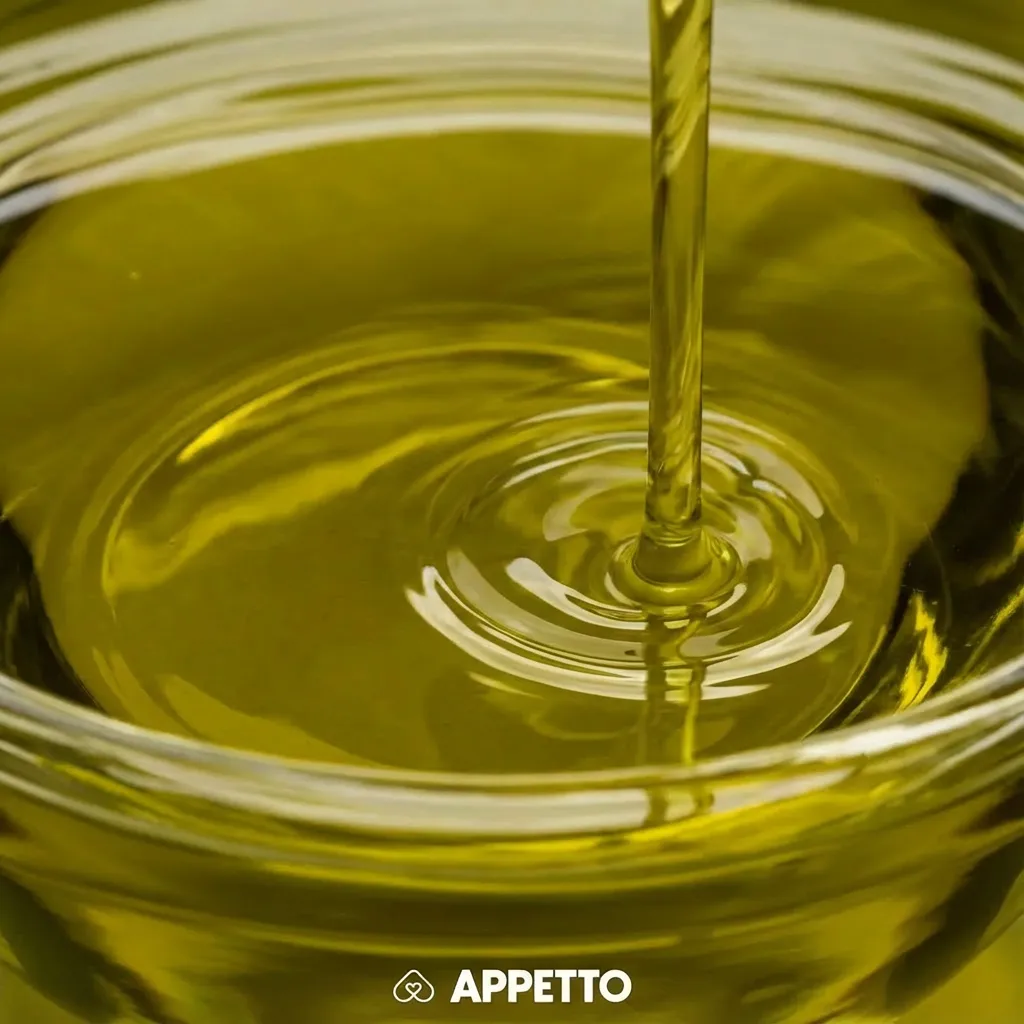
Olives are allowed in moderation for cats.
Potential Benefits
Olives provide Vitamin E. In some cases, they can also have a playful effect, as their smell is similar to that of catnip, which may attract your cat.
Main Risks
There are several hazards to keep in mind:
- Mechanical risk: The olive pit can lead to choking or intestinal occlusion.
- Nutritional risk: The fat and sodium found in olives can trigger vomiting or diarrhea.
- Chemical risk: Olives kept in brine contain too much salt for a cat’s system.
Safe and Unsafe Parts
You may only offer a small piece of a plain, pitted olive. You must avoid giving the pit, and never offer olives that are in brine, seasoned, or stuffed.
Vulnerable Cats
Cats suffering from kidney or heart disease should be especially kept away from any olives in brine due to the high sodium content.
Symptoms to Watch For and What to Do
If your cat consumes an unsafe part or eats too much, they might exhibit vomiting, diarrhea, temporary agitation, or lethargy. If symptoms appear, worsen, or cause concern, contact your veterinarian for advice. Please note that this article does not replace a specific medical evaluation.
APPETTO is an application that helps users better understand the diets of dogs and cats and consult information on various foods. You can download it here: https://www.download.appetto.co
This article is provided for informational purposes only. It does not replace the advice or diagnosis of a veterinarian. A veterinarian should be consulted if any concerning or persistent symptoms appear.