


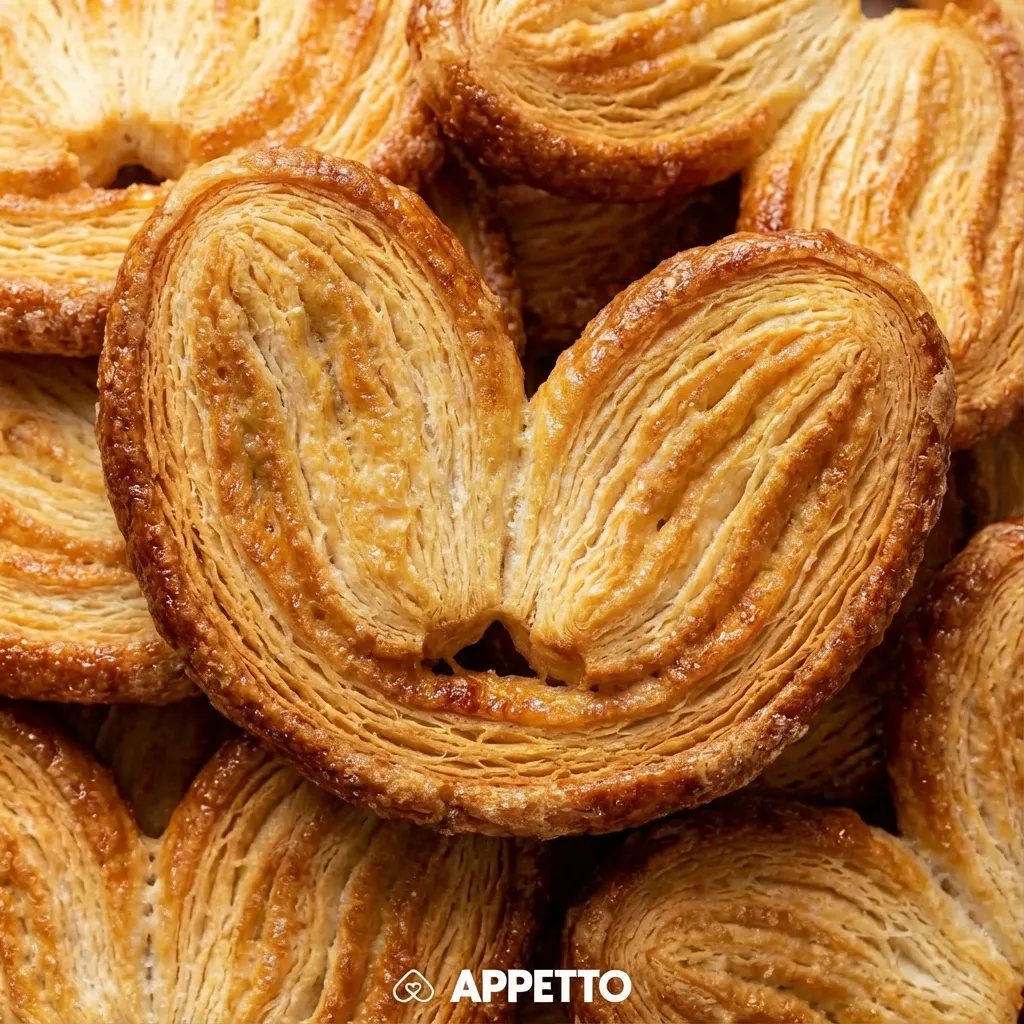
Palmiers, as human pastries and biscuits, may attract the attention of our pets. However, it is to be avoided to give these to a dog. The data shows no benefits and a completely null nutritional value for dogs.
Why should palmiers be avoided?
Recommendations suggest avoiding human treats and strictly limiting farinaceous products for dogs. Palmiers are very high in fat and sugar, presenting significant nutritional risks:
- Lipid-related risks: Fats promote pancreatic inflammation, which can lead to a possible pancreatitis and caloric overload.
- Sugar-related risks: Sugars can cause metabolic imbalances and weight gain.
Whether the pastry is raw or baked is indifferent; due to uncertain data, it should be avoided as a precaution.
Vulnerable animals and symptoms to monitor
Overweight dogs have an increased risk when exposed to this type of food.
If a dog ingests palmiers, the following symptoms may appear:
- Vomiting
- Diarrhea
- Abdominal pain
What to do if your dog eats palmiers
If your dog has consumed this pastry, carefully monitor for the symptoms mentioned above. If vomiting, diarrhea, or abdominal pain occurs or appears concerning, it is advised to contact a veterinarian.
Frequently Asked Questions (FAQ)
Do palmiers provide any nutritional benefit for dogs?
No, they have no nutritional interest and offer zero nutritional value for dogs.
Are overweight dogs at greater risk?
Yes, overweight dogs face an increased risk due to the high fat and sugar content, which contributes to weight gain and metabolic imbalances.
Discover the APPETTO app
To better understand your dog’s diet and check information about various foods, you can use the APPETTO app. Download it at https://www.download.appetto.co.
This article is provided for informational purposes and does not replace the advice or diagnosis of a veterinarian. A veterinarian should be consulted in case of concerning or persistent symptoms.