


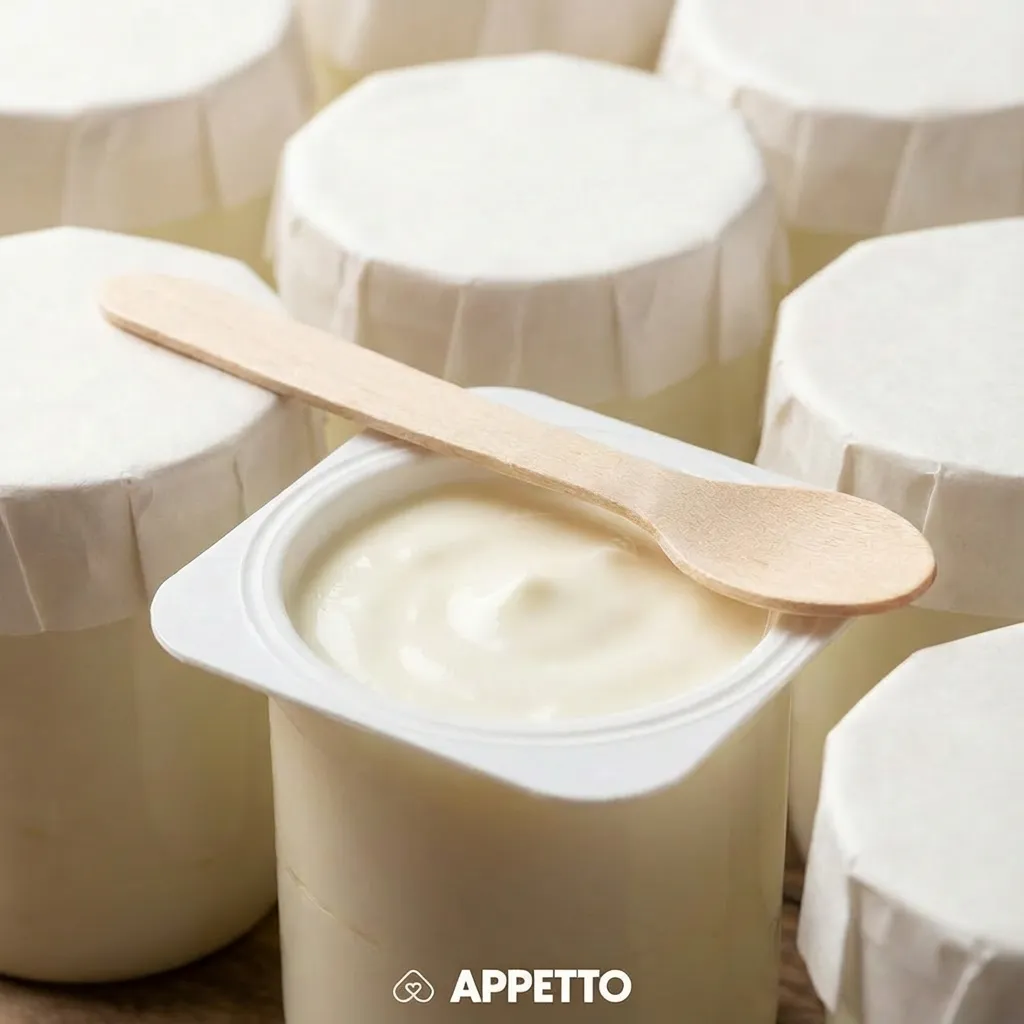
Petit-suisse can be given to dogs in moderation, strictly plain and in very small quantities. It is often less salty than some cheeses, but it remains a fresh dairy product, meaning it contains lactose. In short: a level spoonful might be okay sometimes, but not the whole pot just because “he looked sad”. He will always look sad, it’s a strategy.
Quick verdict
- For dogs: allowed in moderation.
- To remember: plain, unsweetened, in small amounts, and to be avoided in case of diarrhea or vomiting.
Petit-suisse for dogs: allowed, limited, or forbidden?
Petit-suisse is not forbidden for dogs, but it should remain a very occasional treat. It can provide a little protein and calcium, but lactose can cause gastrointestinal issues if given beyond small amounts.
Is petit-suisse dangerous or toxic for dogs?
Plain petit-suisse is not toxic in small quantities, but it can become problematic for lactose-intolerant dogs. Sweetened, flavored, or dessert versions must be avoided.
What are the potential benefits?
The benefits remain modest.
- Provides a little protein.
- Contains calcium, though unnecessary if their diet is complete.
What are the risks to know?
The main risk involves lactose digestion.
- Lactose: diarrhea, vomiting, or gas if the dose is too large.
- Calories: weight gain if given frequently.
- Types to avoid: sweetened, flavored, fruit, chocolate, artificially sweetened, or dessert petit-suisse.
How much should you give your dog?
If your dog tolerates it, stick to a level spoonful.
- Small dog: half a teaspoon.
- Medium dog: an occasional teaspoon.
- Large dog: a small tablespoon maximum, rarely.
Can my dog eat plain, sweetened, or flavored petit-suisse?
Only plain, unsweetened, and unflavored petit-suisse can be considered. Sweetened, fruit, or flavored versions are not recommended. Dairy desserts may contain too much sugar or unsuitable ingredients.
How to prepare it correctly?
- Choose a plain, unsweetened petit-suisse.
- Give only a small level spoonful.
- Monitor their digestion over the following hours.
When should it be avoided?
- Puppies.
- Senior dogs.
- Dogs sensitive to lactose, prone to diarrhea, or overweight.
- Dogs on medication or a veterinary diet.
My dog ate petit-suisse: what should I do?
If your dog ate a small amount of the plain variety, just monitor them. If the quantity was large, if the product was sweetened, or if symptoms appear, contact your vet.
What signs should alert you?
Vomiting, diarrhea, gas, abdominal pain, lethargy, or loss of appetite should raise a red flag.
What are safer alternatives?
- A suitable dog treat.
- A veterinary probiotic if the goal is digestive health.
- A small piece of plain cooked chicken.
How can APPETTO help you?
APPETTO helps you compare dog food and products using the Pet-Score®, especially when a food seems harmless but should remain strictly limited. Download APPETTO.
FAQ
Is petit-suisse toxic to my dog?
No, not in small plain quantities, but it can cause digestive issues due to lactose.
How much petit-suisse can I give my dog?
From half a teaspoon to a small tablespoon depending on size, very rarely.
Can my dog eat sweetened petit-suisse?
No, sweetened versions should be avoided.
Can my dog eat petit-suisse every day?
No, this is not recommended. It should remain an occasional treat.
What signs should I watch for if my dog ate petit-suisse?
Watch out for vomiting, diarrhea, gas, abdominal pain, and lethargy.
Can a puppy eat petit-suisse?
It is better to avoid it without veterinary advice, as puppies are more sensitive to lactose.
Petit-suisse can be tolerated by some dogs in small amounts, but it should be limited. To better compare suitable products, APPETTO helps you with the Pet-Score®. Download APPETTO.
Credits and disclaimer
Credits: Content created by the APPETTO team based on referenced sources and our internal food classification methodology.
Disclaimer: This information is general and does not replace veterinary advice.