


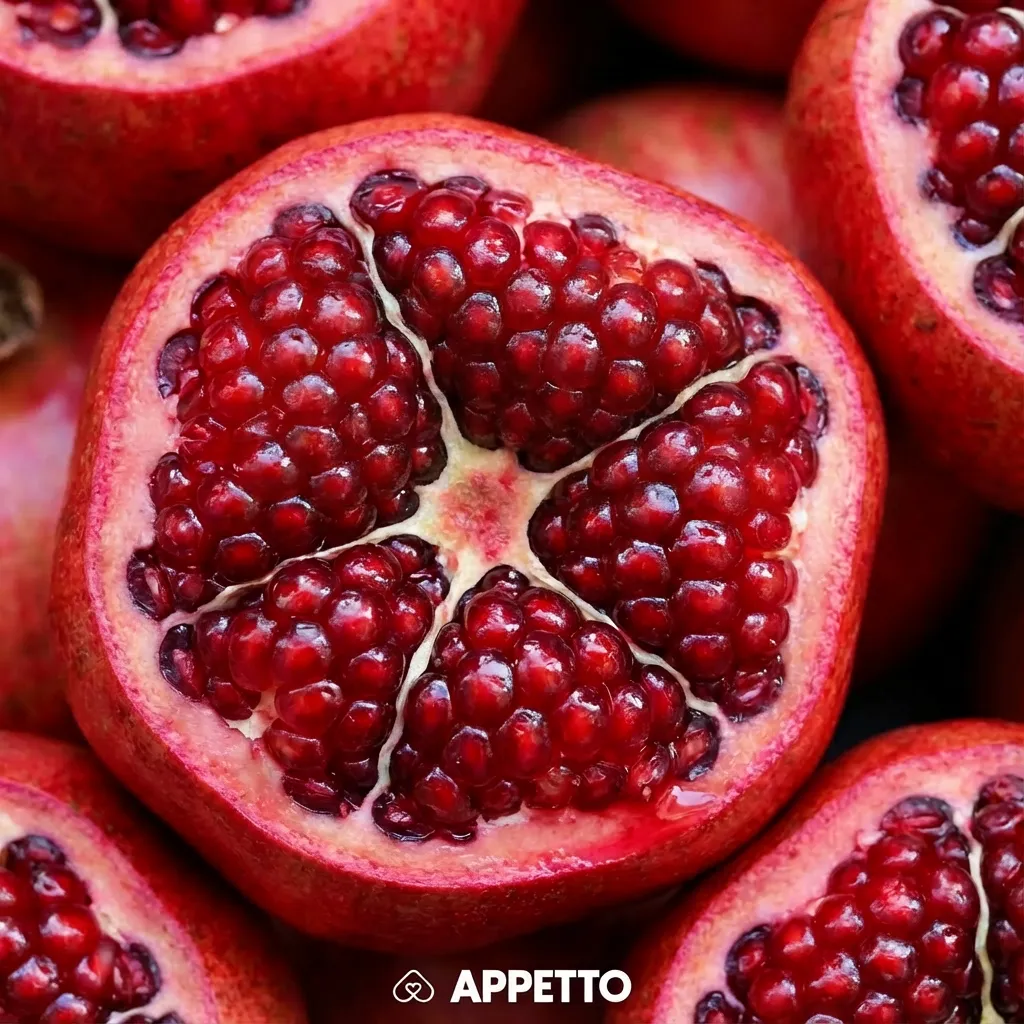
Whole pomegranate is not recommended for dogs. The numerous hard seeds, tannins, acidity and white membranes commonly cause vomiting, diarrhoea and abdominal discomfort. A tiny accidental amount is not automatically a poisoning emergency, but intentional feeding should be avoided.
Quick verdict
- For dogs: avoid as a whole fruit or treat.
- Main concerns: hard seeds, tannins, acidity and digestive irritation.
- After ingestion: monitor and contact a veterinarian if symptoms are persistent or severe.
Is pomegranate toxic to dogs?
Pomegranate is not generally treated like grapes or raisins, but it is poorly tolerated by many dogs. Tannins and acids can irritate the digestive tract, while the numerous seeds may cause discomfort or, in large amounts, a mechanical problem.
Does pomegranate offer any benefits?
Pomegranate contains antioxidants, but feeding the whole fruit is not a safe or practical way to provide them. Veterinary products containing controlled pomegranate extracts are different from giving fresh fruit.
- No recommended use as a whole-fruit treat.
- Potential benefits do not outweigh digestive risks.
Main risks
- Vomiting and diarrhoea.
- Abdominal pain and reduced appetite.
- Digestive irritation from tannins and acidity.
- Choking or obstruction after swallowing large amounts of seeds or peel.
How much pomegranate can a dog eat?
No regular serving is recommended. Avoid intentionally offering whole arils, peel or white membranes.
Fresh fruit, juice and extracts
Avoid fresh pomegranate, juice, syrup and sweetened desserts. A veterinary supplement containing standardised pomegranate extract should only be used according to professional guidance.
What to do after ingestion
- Remove the remaining fruit.
- Note the amount eaten and whether peel or large quantities of seeds were involved.
- Monitor your dog for digestive symptoms.
- Contact a veterinarian if vomiting is repeated, pain is marked, your dog cannot keep water down or a large amount was swallowed.
Dogs requiring extra caution
- Puppies and small dogs.
- Senior or frail dogs.
- Dogs with digestive disease or a history of obstruction.
- Dogs receiving medication or following a prescription diet.
Warning signs
Watch for repeated vomiting, diarrhoea, abdominal pain, lethargy, refusal to eat, retching or difficulty passing stools.
Safer alternatives
- A few plain blueberries.
- A small piece of seedless apple.
- A dog treat formulated for canine nutrition.
How APPETTO can help
APPETTO helps you identify poorly tolerated foods, compare dog products and make more informed choices using the Pet-Score®. Download APPETTO.
FAQ
Is pomegranate poisonous to dogs?
It is not usually considered as acutely toxic as grapes, but whole fruit is not recommended because it often causes digestive upset.
How much pomegranate can I give my dog?
No regular serving is recommended.
Can dogs eat pomegranate seeds?
It is best to avoid them because they are hard, numerous and difficult to digest.
Can dogs drink pomegranate juice?
No. Juice is concentrated, acidic and may contain added sugar.
What should I do if my dog ate pomegranate?
Monitor for vomiting, diarrhoea and abdominal pain, and contact a veterinarian if symptoms are severe or persistent.
Whole pomegranate is best avoided for dogs because its seeds, tannins and acidity frequently cause digestive problems.
Credits and disclaimer
Credits: Content developed by the APPETTO team using referenced sources and its internal food-classification methodology.
Disclaimer: This information is general and does not replace veterinary advice.