


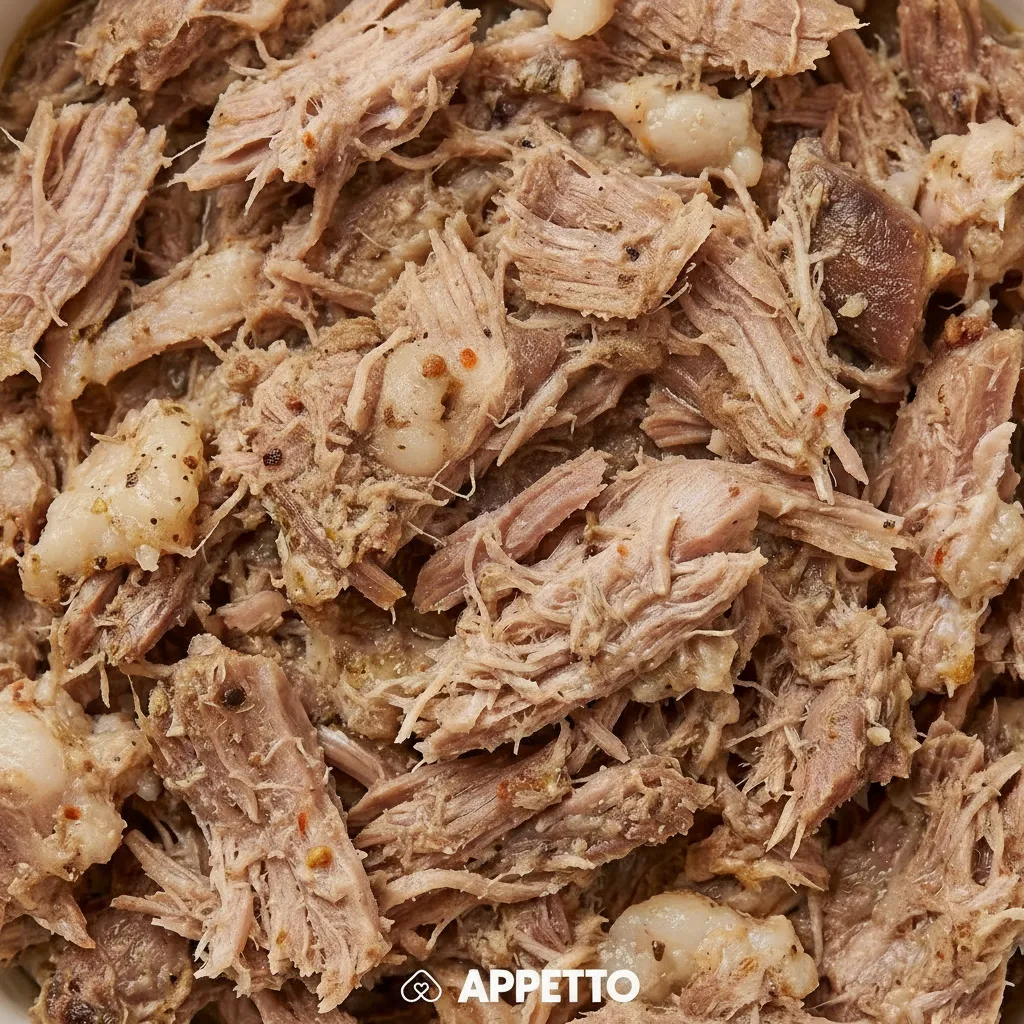
Pork rillettes should be avoided for dogs. They are generally very fatty, salty, and poorly suited to their nutritional balance. A small stolen amount does not always warrant panic, but feeding them intentionally is like inviting their digestive system to a party it never asked for.
Quick verdict
- For the dog: to be avoided.
- Key takeaway: too much salt and fat, with digestive and pancreatic risks.
Pork rillettes for dogs: allowed, to be limited, or forbidden?
Pork rillettes are not recommended for dogs. They are processed products, often rich in fat, salt, and sometimes seasonings. They offer no useful benefits compared to plain cooked meat.
Are pork rillettes dangerous or toxic for dogs?
The risk depends on the quantity, the recipe, and the dog’s sensitivity. Salt can increase thirst and kidney strain, while fats can trigger vomiting, diarrhea, or acute pancreatitis in predisposed dogs.
What are the possible benefits?
There are no relevant benefits to be gained from pork rillettes.
- High palatability, but mainly due to the fat and salt.
- Presence of meat, but in an overly processed product.
What are the risks to know?
Pork rillettes combine several risk factors.
- High salt content, which can cause excessive thirst and imbalance.
- Significant fats, carrying a risk of pancreatitis.
- Additives or seasonings depending on the recipe.
- Parts to avoid: the entire product, visible fat, crust, salty jelly, or seasoned leftovers.
How much can I give my dog?
No intentional amount is recommended. If your dog ate some by accident, what to do depends on the quantity, their weight, and their health condition.
- Small dog: no recommended portion.
- Medium dog: no recommended portion.
- Large dog: no recommended portion.
Can my dog eat raw, cooked, or processed pork rillettes?
Rillettes are already processed and do not become suitable just because they are cold, hot, or spread on bread. Industrial, artisanal, spicy, or very salty versions should all be avoided.
How to prepare them correctly?
- Do not give pork rillettes to your dog.
- If you want to feed pork, first ask if it’s suitable for their profile and choose plain cooked, lean, unseasoned meat.
- Keep charcuterie out of reach.
When should they be avoided?
- In puppies.
- In senior dogs.
- In overweight dogs or those predisposed to pancreatitis.
- In dogs with heart, kidney, or digestive diseases.
My dog ate pork rillettes: what should I do?
Monitor the quantity, offer water, and observe their behavior. If your dog is small, fragile, ate a large amount of rillettes, or shows symptoms, contact your vet.
What signs should I look out for?
Vomiting, diarrhea, abdominal pain, abnormal posture, excessive thirst, lethargy, or loss of appetite should be monitored.
What are safer alternatives?
- Plain cooked lean meat.
- Skinless chicken or turkey.
- Low-fat dog treats.
How can APPETTO help you?
APPETTO helps you better understand why some highly palatable foods are not necessarily suitable. The Pet-Score® allows you to compare dog products with more clarity. Download APPETTO.
FAQ
Are pork rillettes toxic to my dog?
They are not necessarily toxic, but they are too fatty and salty to be given intentionally.
How much pork rillettes should I give my dog?
No amount is recommended.
Can my dog eat pork rillettes on bread?
No, it remains an unsuitable, fatty, and salty food.
Can pork rillettes cause pancreatitis?
Yes, very fatty foods can promote pancreatitis in sensitive dogs.
What signs should I watch for after ingestion?
Vomiting, diarrhea, abdominal pain, lethargy, or unusual thirst.
Can a puppy eat pork rillettes?
No, it is too rich and unsuitable for their digestion.
Pork rillettes should therefore be avoided for dogs, especially if they are sensitive to fat. To make better choices for everyday treats and food, APPETTO guides you with the Pet-Score®. Download APPETTO.
Credits and disclaimer
Credits: Content created by the APPETTO team based on referenced sources and the internal food classification methodology.
Disclaimer: This information is general and does not replace veterinary advice.