


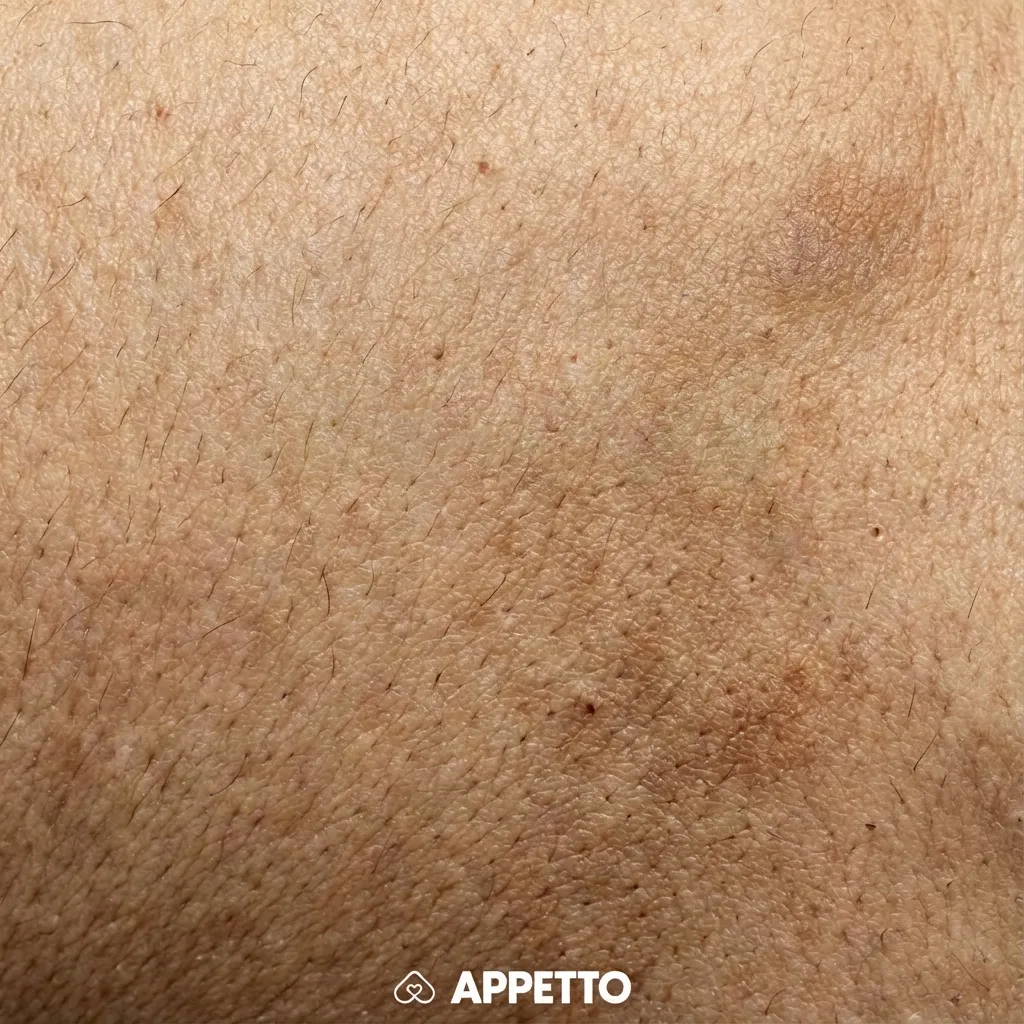
Pork skin can be given to dogs in moderation, but it remains very fatty and must be limited. It can cause vomiting, diarrhea, abdominal pain, or pancreatitis in sensitive dogs.
Quick verdict
- For dogs: allowed in moderation.
- To remember: small cooked pieces only, never hard or dry skin swallowed whole.
Pork skin and dogs: appetizing, but heavy
Pork skin mainly provides energy and fat. Its nutritional value is limited, and its high fat content can quickly become problematic.
What are the possible benefits?
- Highly palatable.
- Energy source.
- Interesting texture if well prepared.
Risks to know
- High fat: pancreatic overload.
- Hard pieces: possible choking.
- Excess: vomiting and diarrhea.
How much to give?
Only a very small portion, and rarely. For at-risk dogs, it is better to avoid it altogether.
Raw or cooked?
The skin must be cooked. Raw should be avoided for sanitary reasons.
How to prepare it?
- Cook thoroughly.
- Cut into small pieces.
- Avoid salt, spices, garlic, and onions.
At-risk dogs
- Dogs prone to pancreatitis.
- Overweight dogs.
- Senior dogs.
- Dogs with sensitive stomachs.
My dog ate too much: what should I do?
Monitor for vomiting, diarrhea, or abdominal pain. Contact a veterinarian if the signs persist or are severe.
How can APPETTO help?
APPETTO helps you spot fatty cuts, compare dog products with the Pet-Score®, and make safer choices. Download APPETTO.
FAQ
Is pork skin good for dogs?
It is mostly fatty, so it should be strictly limited.
Can my dog eat raw skin?
No, it’s better to avoid it.
What signs to watch for?
Vomiting, diarrhea, or abdominal pain.
Can a dog with pancreatitis eat it?
No, it must be avoided entirely.
Is dry skin safe?
It can be hard and cause an intestinal blockage.
What alternative to choose?
Lean cooked meat.
Pork skin can be tolerated by some dogs, but it remains too fatty to be recommended regularly. To compare foods, APPETTO helps you with the Pet-Score®. Download APPETTO.
Credits and disclaimer
Credits: Content developed by the APPETTO team based on referenced sources and our internal food classification methodology.
Disclaimer: This information is general and does not replace veterinary advice.