


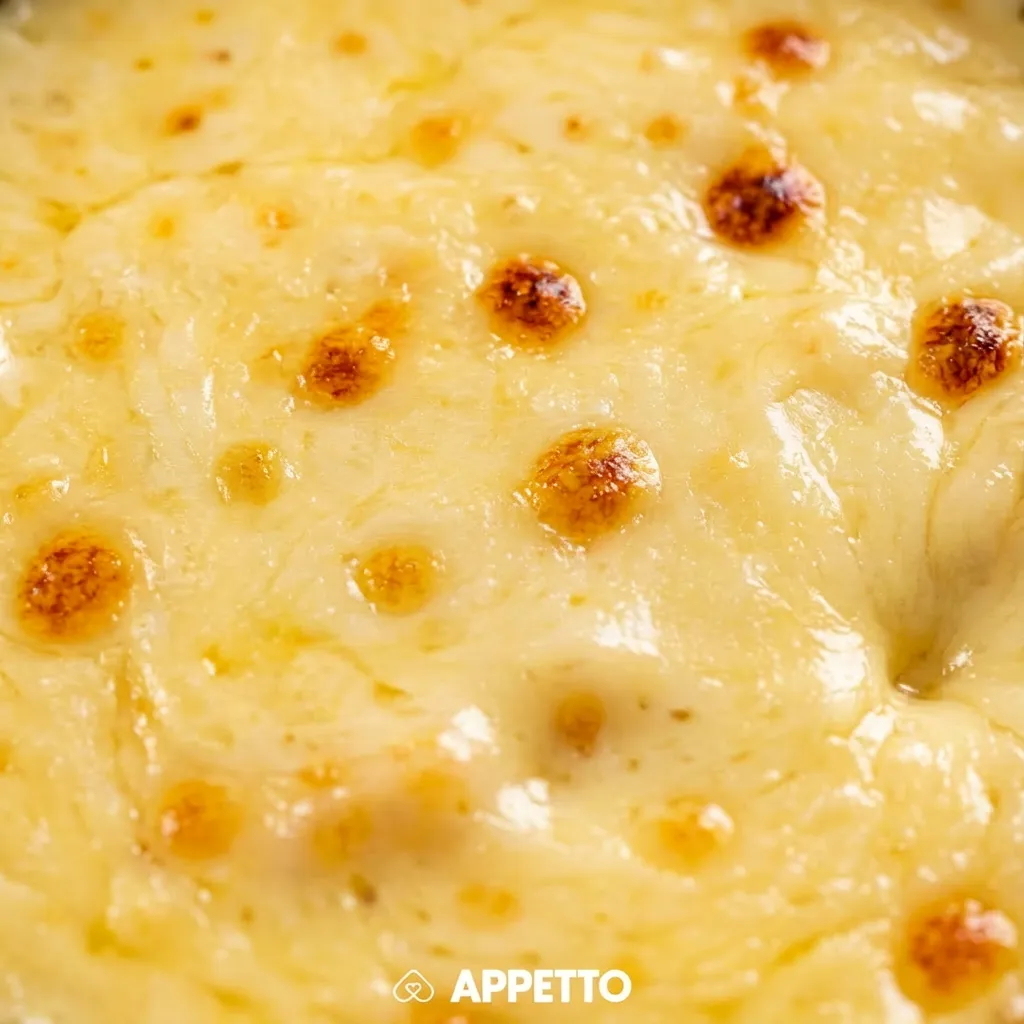
Processed cheese should be avoided for cats. It is often salty, fatty, highly processed, sometimes flavored, and contains residual lactose. In short, everything a cat never asked for, even if they act like they’ve drafted a petition right in the kitchen. An accidental tiny nibble can just be monitored, but it is by no means a suitable treat.
Quick verdict
- For the cat: avoid.
- Key takeaway: lactose, salt, additives, and fats make processed cheese poorly suited for cats.
Processed cheese for cats: allowed, to be limited, or forbidden?
Processed cheese is not recommended for cats. Felines often have trouble digesting dairy products, and processed items add an unnecessary load of salt and fats that hold no nutritional value for a strict carnivore.
Is processed cheese dangerous or toxic for cats?
It isn’t necessarily toxic in micro-traces, but it can be dangerous in large amounts or for a frail cat. Lactose can cause vomiting and diarrhea, while salt is strongly discouraged for cats with heart or kidney conditions.
What are the possible benefits?
The benefits are virtually nonexistent. Processed cheese might be highly palatable, but palatability is not proof of nutritional suitability.
- Appetizing texture, but easily replaced by a proper feline treat.
- No useful benefits in a complete diet for cats.
What risks should you be aware of?
Processed cheese combines several unfavorable traits.
- Lactose: vomiting, diarrhea, gas, or discomfort.
- Salt and fats: unnecessary cardiovascular and renal strain, weight gain.
- Parts to avoid: all flavored versions, cheese sauces, processed slices, industrial dishes, or party snacks.
How much can you give your cat?
No amount is recommended. It is better to avoid processed cheese entirely.
- Adult cat: avoid.
- Sensitive cat: strictly avoid.
- Kitten: avoid completely.
Can my cat eat plain processed cheese, slices, or cheese sauce?
No. Processed cheese slices, portions, and sauces are often too salty, too fatty, and highly processed. The recipes can also contain unsuitable ingredients like garlic, onion, or spices.
How to prepare it correctly?
- Do not prepare processed cheese for your cat.
- Keep industrial dishes and cheese snacks out of reach.
- In case of ingestion, check the amount and any associated ingredients.
When should it be avoided?
- Kittens.
- Senior cats.
- Cats with heart disease, kidney failure, obesity, or digestive sensitivities.
- Cats undergoing medical treatment or on a low-salt veterinary diet.
My cat ate processed cheese: what should I do?
If your cat ate a tiny crumb, just keep an eye on them. If the amount is significant, if the product was flavored, or if they show signs of vomiting, diarrhea, lethargy, or unusual thirst, contact your vet.
What signs should you look out for?
Vomiting, diarrhea, gas, fatigue, loss of appetite, unusual thirst, or behavioral changes should raise an alarm.
What are safer alternatives?
- A treat specially formulated for cats.
- A small piece of plain, cooked chicken.
- A complete wet food adapted to their profile.
How can APPETTO help you?
APPETTO helps you compare cat products and spot those that are too salty, processed, or ill-suited. The Pet-Score® provides a clear benchmark to make better choices for what goes into their bowl. Download APPETTO.
FAQ
Is processed cheese toxic to my cat?
Not necessarily in traces, but it is not recommended due to lactose, salt, and fats.
How much processed cheese can I give my cat?
No amount is recommended. It is best to avoid it.
Can my cat eat a slice of processed cheese?
No, processed cheese slices are usually too salty and heavily processed.
Can my cat eat processed cheese sauce?
No, sauces are fatty, salty, and often mixed with other unsuitable ingredients.
What signs should I monitor if my cat ate processed cheese?
Watch out for vomiting, diarrhea, gas, fatigue, unusual thirst, and loss of appetite.
Can a kitten eat processed cheese?
No, a kitten should steer clear of processed dairy products.
Therefore, processed cheese should be avoided for cats: it’s too processed, too salty, and often poorly digested. To easily compare products suited for your cat, APPETTO helps you out with its Pet-Score®. Download APPETTO.
Credits and disclaimer
Credits: Content created by the APPETTO team based on referenced sources and internal food classification methodology.
Disclaimer: This information is general in nature and does not replace the advice of a veterinarian.