


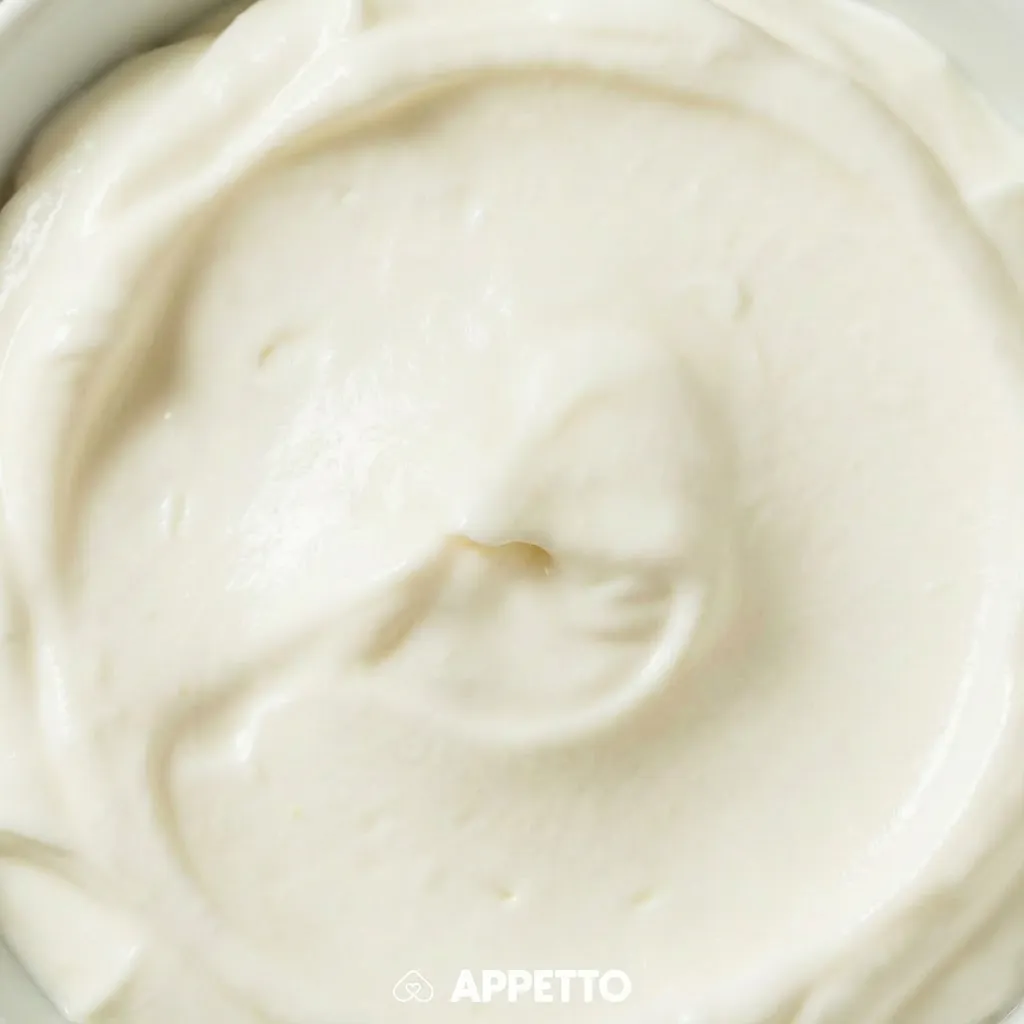
Quark can be tolerated by some cats in micro-quantities, but it should remain a very occasional treat. It is a fresh dairy product, meaning it can contain lactose, which is often poorly digested by adult cats. A tiny lick might be fine for some; a dairy routine is a definite no. Cats are complicated enough without adding quark to the mix.
Quick verdict
- For cats: allowed with great moderation.
- To remember: only plain, micro-portions, and to be avoided in lactose-sensitive cats.
Quark for cats: allowed, to be limited, or forbidden?
Quark is not forbidden in micro-quantities, but it is not suitable as a regular part of their diet. The cat is a strict carnivore and does not need dairy products. If you give them any, it must remain exceptional.
Is quark dangerous or toxic for cats?
Plain quark is not toxic in micro-portions, but it can cause digestive discomfort, diarrhea, or vomiting. Sweetened, flavored, or dessert versions must be avoided.
What are the possible benefits?
The benefits are minimal and unnecessary.
- Provides a little protein.
- Contains calcium, but this is of no interest if the cat’s diet is already complete.
What are the risks to know?
Lactose is the main point of vigilance.
- Lactose: colonic fermentation, diarrhea, discomfort.
- Calories: weight gain if given often.
- Parts to avoid: sweetened, flavored, fruit quark, or those with chocolate or sweeteners.
How much to give your cat?
The amount must remain tiny.
- Adult cat: a tiny tip of a spoon, rarely.
- Sensitive cat: avoid completely.
- Kitten: avoid without veterinary advice.
Can my cat eat plain, sweetened, or processed quark?
Only plain quark can be considered in micro-quantities. Sweetened, flavored, or quark mixed into desserts are not suitable for cats.
How to prepare it correctly?
- Choose plain, unsweetened quark.
- Offer only a tiny tip of a spoon.
- Monitor for vomiting, abnormal stools, and changes in behavior.
When should it be avoided?
- Kittens.
- Senior cats.
- Adult cats that are lactose intolerant, obese, diabetic, or have fragile digestions.
- Cats on medication or a specific veterinary diet.
My cat ate quark: what to do?
If your cat ate a micro-quantity of plain quark, monitor them. If the amount is large, if the quark was sweetened, or if vomiting, diarrhea, or signs of lethargy appear, contact your vet.
What signs should alert you?
Vomiting, diarrhea, gas, lethargy, loss of appetite, or unusual behavior should be warning signs.
What are safer alternatives?
- A suitable feline treat.
- A small piece of plain cooked chicken.
- Appropriate complete wet food.
How can APPETTO help you?
APPETTO helps you understand which foods to limit for your cat and compare products using the Pet-Score®. This allows you to make clearer choices for their bowl. Download APPETTO.
FAQ
Is quark toxic to my cat?
No, not in plain micro-quantities, but it can cause digestive issues.
How much quark can I give my cat?
A tiny tip of a spoon, very rarely.
Can my cat eat sweet quark?
No, sweetened versions should be avoided.
Can my cat eat quark every day?
No, this is not recommended for an adult cat.
What signs should I watch for if my cat ate quark?
Watch for vomiting, diarrhea, gas, lethargy, and loss of appetite.
Can a kitten eat quark?
No, unless advised by a vet. A kitten needs an appropriate, specific diet.
Quark can be tolerated in micro-quantities by some cats, but it must be heavily limited. To better compare suitable products, APPETTO helps you with the Pet-Score®. Download APPETTO.
Credits and warning
Credits: Content created by the APPETTO team based on referenced sources and internal food classification methodology.
Warning: This information is general and does not replace the advice of a veterinarian.