


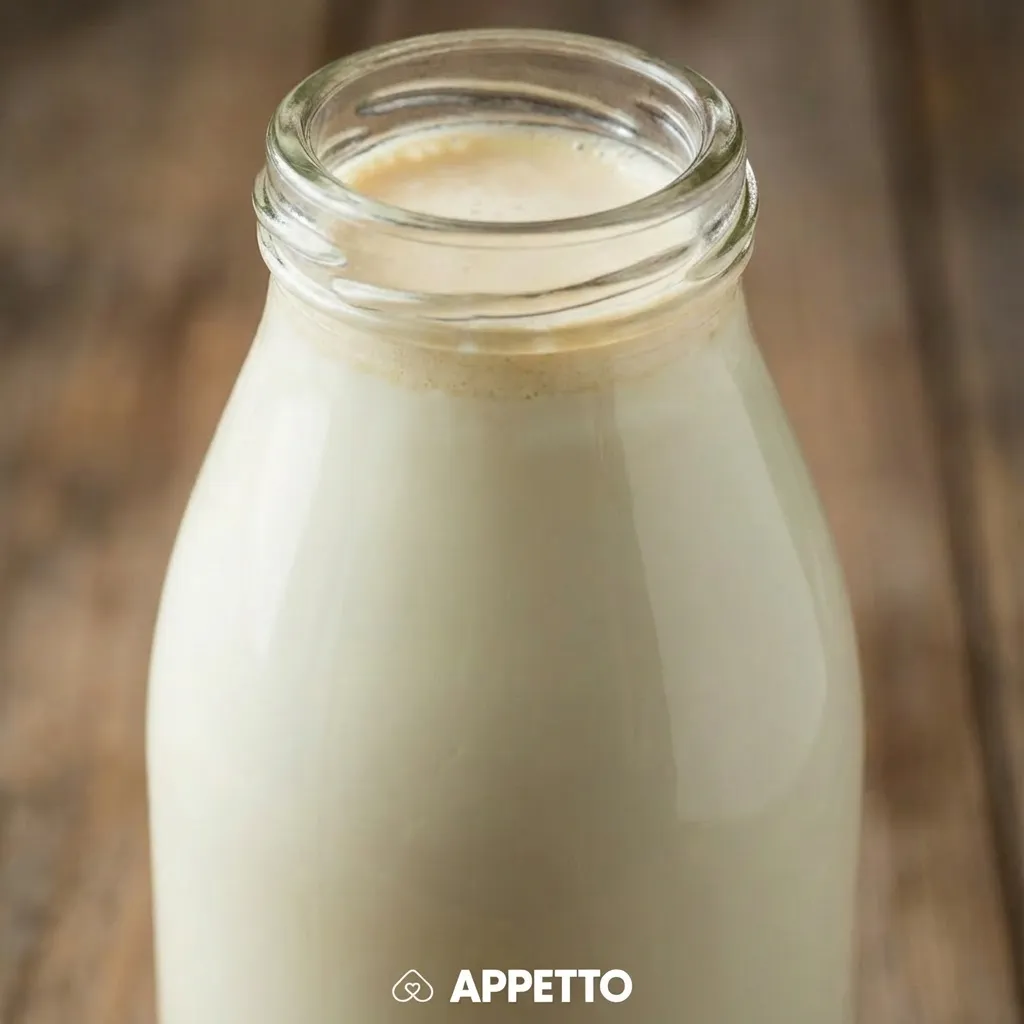
Raw, unpasteurized milk should be avoided for dogs. The main issue isn’t just lactose, but the bacterial risk: salmonella, campylobacter, and other pathogens can cause gastroenteritis. Just because something is “natural” doesn’t mean it’s safe. Nature creates bacteria too, thank you very much.
Quick verdict
- For dogs: avoid.
- Key takeaway: raw milk can transmit bacteria and cause vomiting, diarrhea, or fever.
Raw milk for dogs: allowed, to be limited, or forbidden?
Is milk ok for dogs? When it comes to raw milk, it is not recommended. Even though some dogs can tolerate a small amount of pasteurized milk, raw milk introduces an unnecessary microbiological risk. It is better to choose appropriate pasteurized products or avoid dairy altogether.
Is raw milk dangerous or toxic to dogs?
Many pet owners wonder about common household items, asking things like is milk chocolate bad for dogs or how much milk chocolate can kill a dog. While raw milk won’t poison a dog in the same way chocolate does, it can still be dangerous because it may contain pathogenic bacteria. These bacteria can cause gastroenteritis, diarrhea, vomiting, fever, and lethargy. The risk is even higher for puppies, senior dogs, or immunocompromised dogs.
What are the possible benefits?
The supposed benefits of raw milk do not outweigh the health risks.
- It provides protein and calcium, but in a risky product.
- Safer options exist if a specific nutritional intake is needed.
What are the risks to know?
The bacterial risk is the major concern.
- Pathogens: acute diarrhea, vomiting, fever.
- Lactose: digestive upset in lactose-intolerant dogs.
- Parts to avoid: any raw milk, raw milk cheeses, and unpasteurized preparations.
How much should you give your dog?
No amount of raw milk is recommended.
- Small dog: avoid completely.
- Medium dog: avoid.
- Large dog: avoid as well; size does not eliminate the bacterial risk.
Can my dog drink raw, fermented milk, or have it in a recipe?
Raw milk is still not advised, even in a recipe, if the preparation isn’t made safe. Pasteurization greatly reduces the microbiological risk. Unpasteurized or homemade fermented products should also be approached with caution.
How to prepare it properly?
- Do not give raw milk to your dog.
- Avoid unpasteurized dairy products.
- If ingested, monitor for digestive signs and check their temperature.
When should it be avoided?
- Puppies.
- Senior dogs.
- Immunocompromised, sick, or digestively sensitive dogs.
- Dogs on medication or a veterinary diet.
My dog drank raw milk: what should I do?
If your dog drank raw milk, monitor them closely. In case of vomiting, diarrhea, fever, lethargy, or if your dog is fragile, contact your veterinarian. Make sure to mention that it was unpasteurized milk.
What signs should alert you?
Vomiting, diarrhea, fever, fatigue, abdominal pain, loss of appetite, or signs of dehydration are all red flags.
What are safer alternatives?
- Fresh water, always the priority.
- A tiny amount of a pasteurized dairy product if tolerated, though not necessary.
- A suitable dog treat.
How can APPETTO help you?
APPETTO helps you understand foods that seem natural but can hide health risks. Thanks to the Pet-Score®, you can compare dog products and make clearer choices. Download APPETTO.
FAQ
Is raw milk toxic to my dog?
It is not toxic in a chemical sense (like when dogs eating milk chocolate face poisoning), but it can contain dangerous bacteria.
How much raw milk can I give my dog?
No amount is recommended. It’s best avoided entirely.
Can my dog drink raw farm milk?
No, raw farm milk can contain pathogens.
Is pasteurized milk safer than raw milk for dogs?
Yes, pasteurization reduces the microbiological risk, although lactose still needs to be monitored.
What signs should I watch for if my dog drank raw milk?
Watch for vomiting, diarrhea, fever, fatigue, and loss of appetite.
Can a puppy drink raw milk?
No, puppies are more vulnerable to infections and digestive issues.
Raw milk should therefore be avoided for dogs due to the bacterial and digestive risks. To better compare suitable foods and products, APPETTO helps you with the Pet-Score®. Download APPETTO.
Credits and disclaimer
Credits: Content created by the APPETTO team based on referenced sources and internal food classification methodology.
Disclaimer: This information is general and does not replace veterinary advice.