


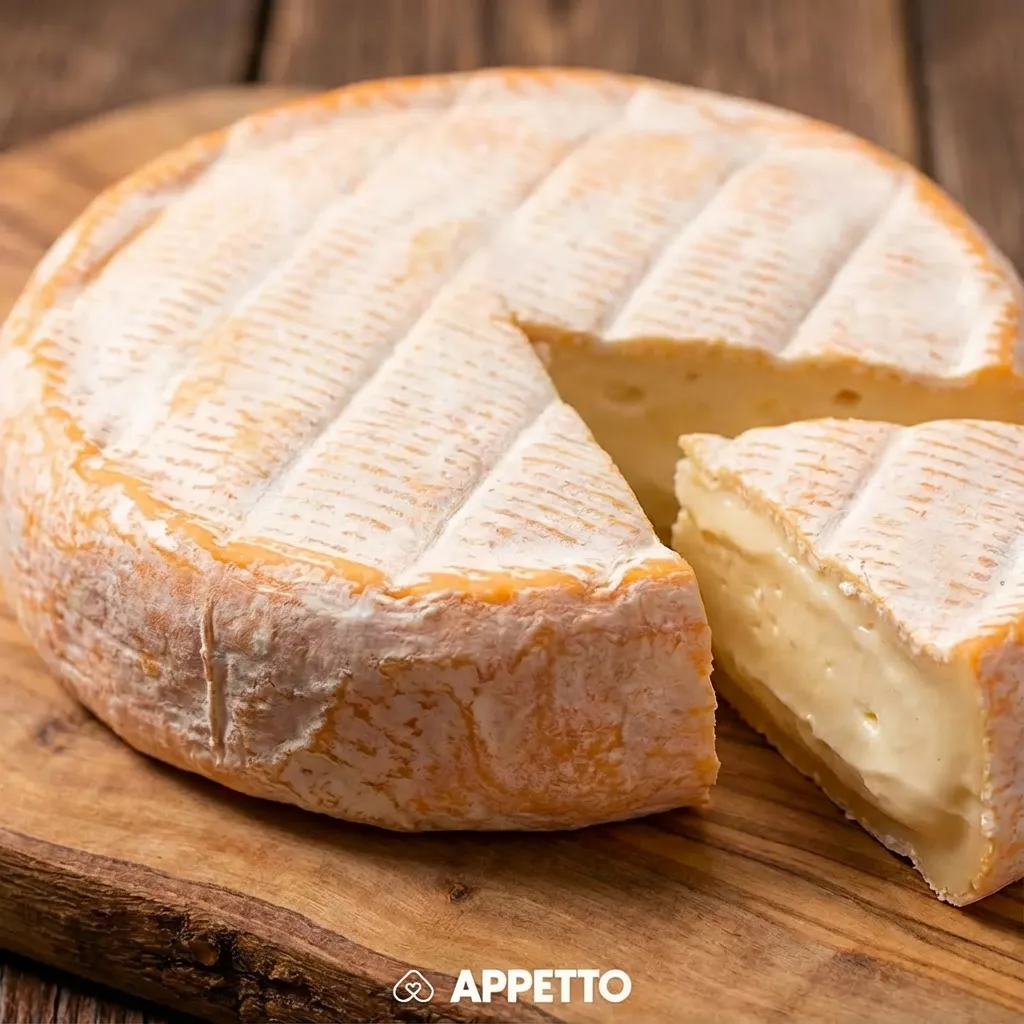
Reblochon can be given to dogs in moderation, but frankly, it is better to be very careful. This cheese is fatty, salty, sometimes made with raw milk, and can quickly become too rich for a sensitive dog. A tiny crumb might be okay; a slice of tartiflette is a no-go. Even if your dog claims to be a true Savoyard at heart.
Quick verdict
- For dogs: allowed in moderation.
- To remember: very small pieces only, avoid the rind, raw milk, and all rich dishes made with reblochon.
Reblochon for dogs: allowed, to be limited, or forbidden?
Reblochon is not strictly forbidden for dogs, but it should remain an exception. It contains protein and calcium, but also fat and salt. If the product is made with raw milk, the microbiological risk must also be taken into account.
Is reblochon dangerous or toxic for dogs?
Reblochon is not toxic in tiny amounts, but it can be dangerous in excess. The fats can cause vomiting, diarrhea, or pancreatitis in at-risk dogs. Raw milk can expose them to undesirable bacteria.
What are the possible benefits?
The benefits are limited.
- Provides a little protein.
- Contains calcium, but of no major interest in an already balanced diet.
What are the risks to know?
Reblochon combines several points of vigilance.
- Fats: diarrhea, vomiting, abdominal pain, or pancreatitis.
- Salt: kidney load if given in excess.
- Parts to avoid: rind, large quantities of raw milk cheese, tartiflette, sauces, and dishes with reblochon.
How much to give to your dog?
If you give some, the amount must be minuscule.
- Small dog: a mini-shaving, rarely.
- Medium dog: a very small piece occasionally.
- Large dog: a small piece maximum, without repeating.
Can my dog eat raw, melted, or tartiflette reblochon?
Plain reblochon should already be heavily limited. Melted or in a tartiflette, it should be avoided: these recipes often contain potatoes, cream, bacon, salt, onion, or other unsuitable ingredients.
How to prepare it correctly?
- Choose only a tiny plain piece if really necessary.
- Avoid the rind and raw milk products for fragile dogs.
- Never give leftovers of tartiflette or reblochon dishes.
When should it be avoided?
- Puppies.
- Senior dogs.
- Breeds at risk of pancreatitis, overweight dogs, or those with sensitive digestions.
- Dogs under treatment, immunocompromised, or on a veterinary diet.
My dog ate reblochon: what should I do?
If your dog ate a tiny crumb, monitor them. If the quantity is significant, if it was a reblochon dish, or if vomiting, diarrhea, or pain appear, contact your vet.
What signs should alert you?
Vomiting, diarrhea, abdominal pain, fatigue, loss of appetite, unusual thirst, or the “praying” position should alert you.
What are safer alternatives?
- A low-fat dog treat.
- A small piece of plain cooked chicken.
- A pill pocket or veterinary aid to hide a tablet if needed.
How can APPETTO help you?
APPETTO helps you understand which foods to strictly limit and compare dog products using the Pet-Score®. You can make more informed choices for their bowl. Download APPETTO.
FAQ
Is reblochon toxic for my dog?
No, not in tiny amounts, but it is fatty, salty, and can be risky in excess.
How much reblochon can I give my dog?
A mini-piece maximum, very rarely.
Can my dog eat the reblochon rind?
It is better to avoid the rind, especially in sensitive dogs.
Can my dog eat tartiflette?
No, tartiflette is too fatty, salty, and may contain unsuitable ingredients.
What signs should I watch for if my dog ate reblochon?
Watch for vomiting, diarrhea, abdominal pain, fatigue, and loss of appetite.
Can a puppy eat reblochon?
It is best to avoid it. Puppies are more sensitive to fatty and salty foods.
Reblochon can be tolerated in tiny amounts by some dogs, but it should still be strictly limited. To better compare suitable foods and products, APPETTO helps you with the Pet-Score®. Download APPETTO.
Credits and disclaimer
Credits: Content developed by the APPETTO team based on referenced sources and internal food classification methodology.
Disclaimer: This information is general and does not replace veterinary advice.