


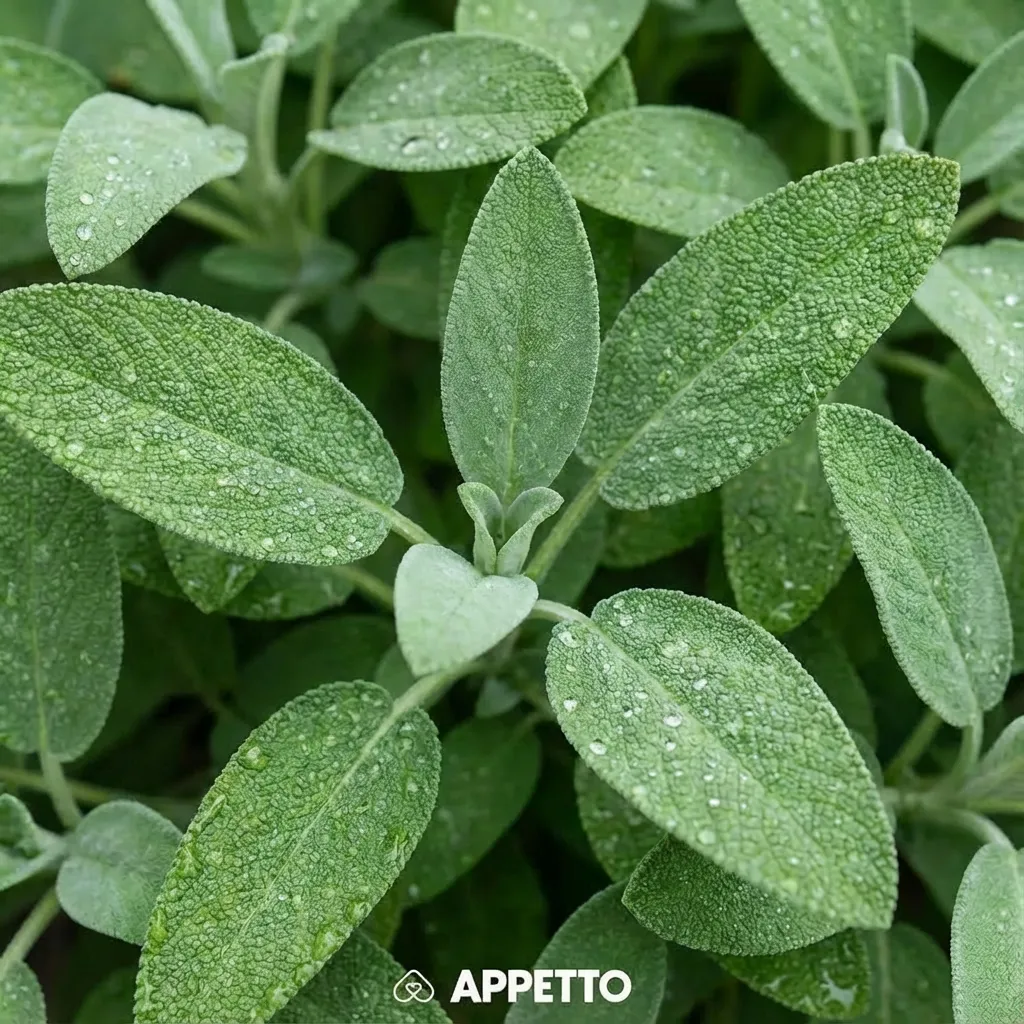
If you are wondering whether you can share sage with your dog, the answer is that it is allowed in moderation. While the data does not highlight any specific nutritional benefits, this aromatic herb can be occasionally included in their diet as long as certain precautions are followed.
Potential Risks and Scientific Mechanisms
When given in small quantities, sage is generally safe. However, caution is advised when dealing with large amounts. An excessive consumption can pose several risks to your dog:
- Digestive issues: Eating too much sage can upset your dog’s digestive system.
- Chemical toxicity: Sage contains monoterpenes, specifically thujone. At very high doses, this compound can cause excitation of the nervous system, leading to a neurological risk.
It is also strictly advised to avoid concentrated essential oils of sage, as they pose a significantly higher risk.
Preparation and Vulnerable Dogs
If you choose to give sage to your dog, you can offer a few raw leaves. The method of preparation is indifferent, provided the quantities remain small. Keep in mind that puppies are more sensitive to the potential adverse effects, so extra care should be taken with younger dogs.
Symptoms to Watch For
If your dog happens to eat an excessive amount of sage, certain symptoms may appear. You should monitor your pet for the following signs:
- Vomiting
- Diarrhea
What to Do in Case of Ingestion
If your dog has consumed a large quantity of sage and exhibits any of the symptoms mentioned above, keep a close eye on their condition. If the symptoms persist, worsen, or seem concerning, it is highly recommended to contact a veterinarian.
Explore Pet Nutrition with APPETTO
If you want to better understand your dog’s diet and access reliable information on various foods, the APPETTO app can be a helpful resource.
This article is provided for informational purposes only and does not replace the advice or diagnosis of a veterinarian. Always consult a veterinarian if your dog displays concerning or persistent symptoms.