


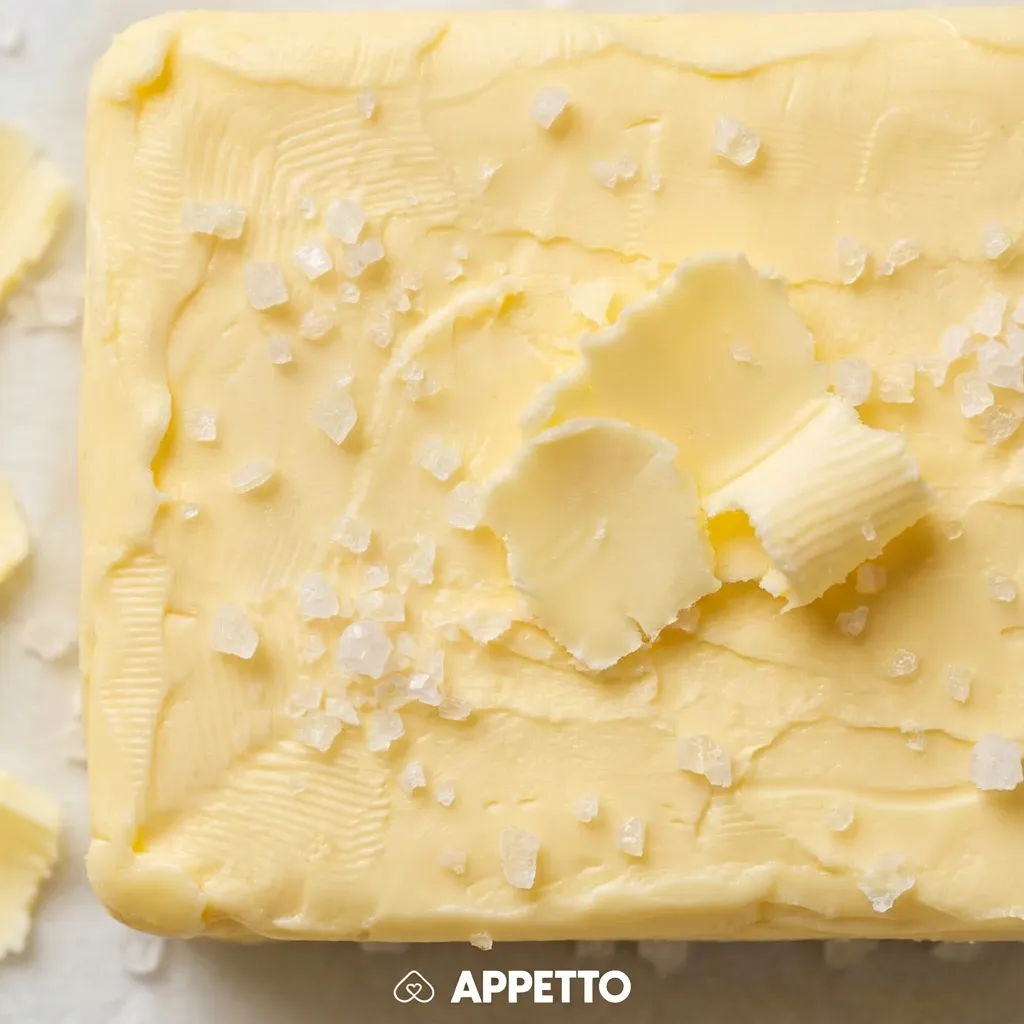
Salted butter should be avoided for cats. It is fatty, caloric, and above all, loaded with sodium, which is bad news for an animal so sensitive to dietary imbalances. A tiny trace might pass without consequence, but it’s not a food you should offer. Cats deserve better than a mini-block of salty fat presented as a treat; let’s be responsible.
Quick verdict
- For cats: avoid.
- Key takeaway: sodium and fats can cause problems, especially in cats with kidney disease, elderly cats, or fragile felines.
Salted butter for cats: allowed, limit, or forbidden?
Salted butter is not suitable for cats. It does not meet their strict carnivore needs and adds an unnecessary load of salt and fats. In a healthy cat, an accidental lick isn’t necessarily an emergency, but you must be more vigilant with a fragile cat or if a large amount is ingested.
Is salted butter dangerous or toxic for cats?
Salted butter can be dangerous in excess. Sodium increases kidney load and can promote dehydration, unusual thirst, vomiting, or digestive issues. Cats with kidney disease must strictly avoid it.
What are the possible benefits?
Salted butter offers no valid benefits to cats. Its taste might attract them, but its nutritional value is practically zero.
- Provides energy, but it’s too fatty and useless.
- No relevant advantage for a balanced feline diet.
What are the risks to know?
Salted butter combines two major risks: sodium and fats.
- Sodium: thirst, dehydration, kidney overload, or discomfort.
- Fats: vomiting, diarrhea, weight gain.
- Parts to avoid: the entire product, as well as toasts, dishes, sauces, and savory pastries made with butter.
How much should you give your cat?
No amount of salted butter is recommended for cats. It is not a treat, not even “just a little bit”.
- Adult cat: avoid; monitor in case of an accidental lick.
- Sensitive cat: completely avoid, especially if they have digestive issues or kidney disease.
- Kitten: avoid, as their needs are specific and their digestion is delicate.
Can my cat eat raw, melted, or cooked salted butter?
No. Salted butter remains unsuitable in all its forms. In a recipe, it can be combined with other ingredients that are problematic for cats, such as garlic, onion, spices, sugar, dough, or rich sauces.
How to prepare it properly?
- Do not give salted butter to your cat.
- Avoid leaving buttered toast, dishes, or leftovers within reach.
- If accidentally ingested, estimate the amount and monitor for digestive signs or excessive thirst.
When should it be avoided?
- Kittens.
- Senior cats.
- Cats with kidney failure, heart issues, overweight, diabetic, or prone to digestive disorders.
- Cats under treatment or on a low-salt veterinary diet.
My cat ate salted butter: what should I do?
If your cat licked a trace, observe them and leave fresh water available. If they ate a large amount, are suffering from kidney disease, are elderly or fragile, or if they vomit, drink excessively, or seem lethargic, contact your vet.
What signs should alert you?
Watch for vomiting, diarrhea, unusual thirst, fatigue, loss of appetite, isolation, or a change in behavior. In a cat with kidney disease, you should contact the vet much faster.
What are safer alternatives?
- A low-salt feline treat.
- A piece of plain cooked chicken or turkey.
- A complete wet food tailored to their profile and needs.
How can APPETTO help you?
APPETTO helps you identify foods that are too salty, too fatty, or poorly suited for your cat, and then compare products using the Pet-Score®. The goal: better understand what’s in their bowl without getting lost in marketing promises. Download APPETTO.
FAQ
Is salted butter toxic to my cat?
It can be dangerous in large quantities due to sodium and fats, especially in fragile cats.
How much salted butter can I give my cat?
None. It is best not to offer it intentionally.
Can my cat eat melted salted butter?
No, whether melted or solid, it remains too salty and too fatty.
My cat licked salted butter: should I call the vet?
For a mere trace, monitor them. For a large amount, a sick cat, or if symptoms appear, contact a vet.
What signs should I watch for if my cat ate salted butter?
Watch for vomiting, diarrhea, excessive thirst, fatigue, loss of appetite, and unusual behavior.
Can a kitten eat salted butter?
No, it should be avoided. Salt and fats are not suitable for a kitten’s diet.
Salted butter therefore has no place in a cat’s diet: it is too fatty, too salty, and risky for fragile profiles. To better compare products and understand the right choices for your cat, APPETTO helps you with the Pet-Score®. Download APPETTO.
Credits and disclaimer
Credits: Content created by the APPETTO team based on referenced sources and our internal food classification methodology.
Disclaimer: This information is general and does not replace veterinary advice.