


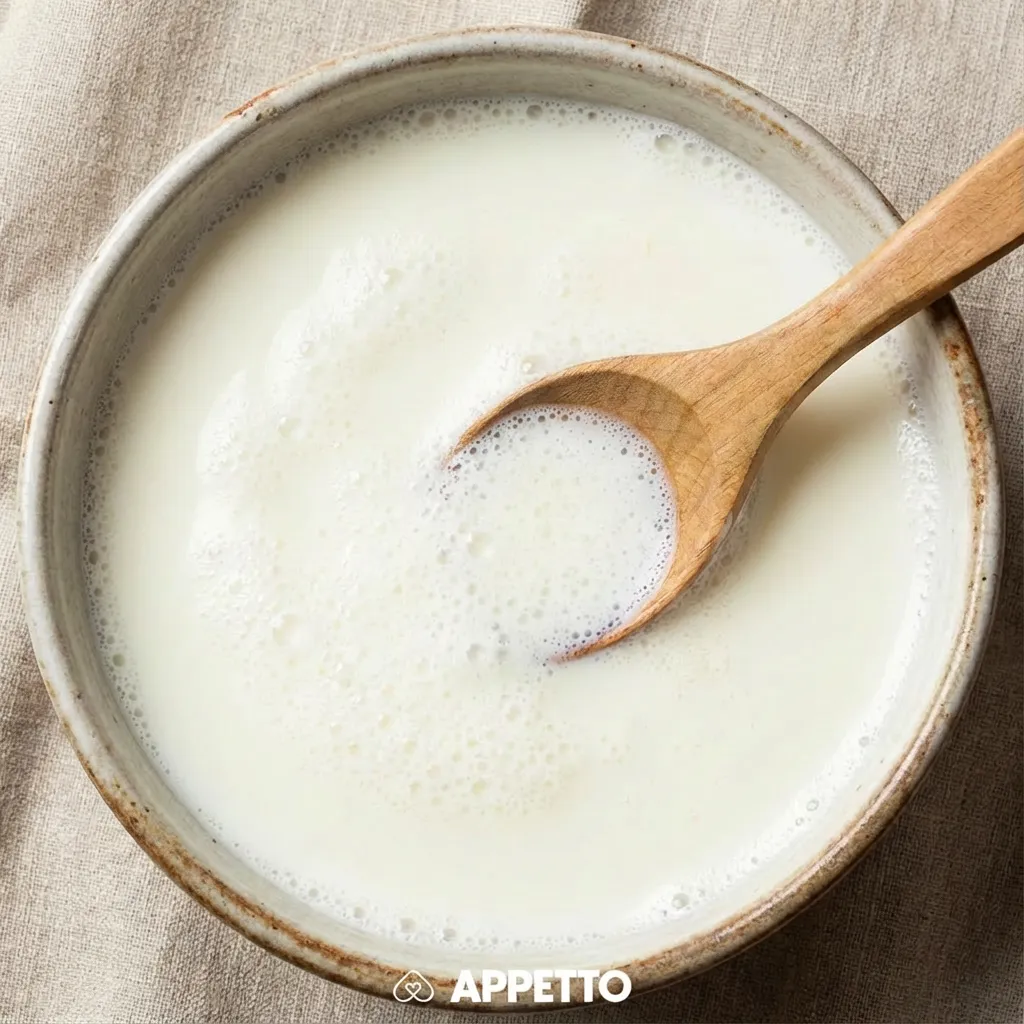
Sheep’s milk can be given to dogs in moderation, but only in very small amounts. It contains protein, calcium, and phosphorus, but also lactose and fats. So yes, it might be more nutritious than water, what an incredible revelation, but water remains the official drink of choice for dogs. If you are wondering “is milk ok for dogs?”, the answer is yes, but with caution.
Quick verdict
- For dogs: allowed in moderation.
- Key takeaway: small amounts only, as lactose and fats can cause diarrhea, vomiting, or flatulence.
Sheep’s milk for dogs: allowed, limit, or forbidden?
Sheep’s milk is not forbidden for dogs, but it should remain a very occasional treat. After weaning, many dogs digest lactose poorly. Sheep’s milk can also be richer than other milks, which increases the risk of discomfort if the portion is too large.
Is sheep’s milk dangerous or toxic for dogs?
Sheep’s milk is not toxic in small quantities, but it can cause digestive issues if the dog is lactose intolerant or if the portion is too large. The fats also add a significant caloric load.
What are the potential benefits?
There are benefits, but they are secondary.
- Provides complete proteins.
- Contains calcium and phosphorus, but these needs are already met by a balanced diet.
What are the risks to know?
Sheep’s milk should be offered with caution.
- Lactose: diarrhea, vomiting, flatulence.
- Fats: caloric overload and weight gain if given repeatedly.
- Parts to avoid: sweetened, flavored, raw milk, or milk mixed into desserts.
How much to give your dog?
If your dog tolerates it, stick to a micro-portion.
- Small dog: a teaspoon maximum to test.
- Medium dog: one to two teaspoons occasionally.
- Large dog: a small tablespoon maximum, rarely.
Can my dog drink raw, pasteurized, or processed sheep’s milk?
Opt for a pasteurized version if offering a micro-quantity. Raw milk should be avoided due to bacterial risks. Sweetened, flavored, or dessert versions are not recommended.
How to prepare it correctly?
- Choose plain, pasteurized sheep’s milk.
- Offer a very small amount.
- Monitor stools, gas, and general condition.
When should it be avoided?
- Puppies without veterinary advice.
- Senior dogs.
- Dogs sensitive to lactose, overweight, or prone to digestive issues.
- Dogs on medication or a specific veterinary diet.
My dog drank sheep’s milk: what should I do?
If the amount was small and pasteurized, simply monitor them. If your dog drank a lot of milk, raw milk, or shows signs of vomiting, diarrhea, or bloating, contact your vet.
What signs should cause concern?
Vomiting, diarrhea, flatulence, abdominal pain, lethargy, or loss of appetite should alert you.
What are the safer alternatives?
- Fresh water.
- A suitable dog treat.
- A specific veterinary product if nutritional supplementation is needed.
How can APPETTO help you?
APPETTO helps you understand which foods are allowed only with caution and compare dog products using the Pet-Score®. This helps you make clearer choices for their bowl. Download APPETTO.
FAQ
Is sheep’s milk toxic to my dog?
No, not in small quantities, but it can cause digestive issues due to lactose.
How much sheep’s milk can I give my dog?
A teaspoon to a small tablespoon depending on their size, rarely.
Can my dog drink raw sheep’s milk?
No, raw milk should be avoided due to bacterial risks.
Can my dog drink sheep’s milk every day?
It is not recommended. Water should remain their main drink.
What signs should I look out for if my dog drank sheep’s milk?
Watch out for vomiting, diarrhea, flatulence, bloating, and lethargy.
Can a puppy drink sheep’s milk?
It’s best to avoid it without veterinary advice, as puppies have specific needs.
Sheep’s milk can be tolerated by some dogs in very small amounts, but it should be limited. To better compare suitable foods and products, APPETTO helps you with the Pet-Score®. Download APPETTO.
Credits and disclaimer
Credits: Content developed by the APPETTO team based on referenced sources and our internal food classification methodology.
Disclaimer: This information is general and does not replace veterinary advice.