


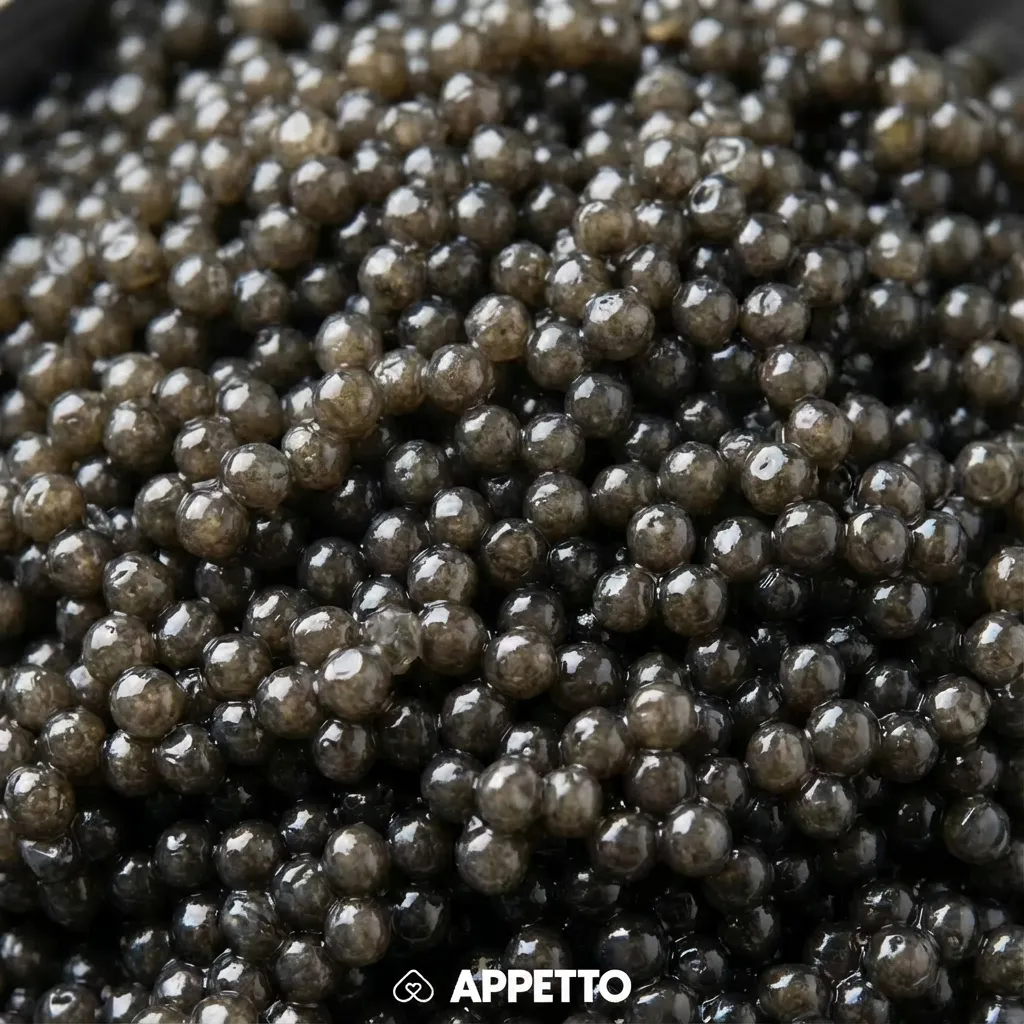
A luxury product par excellence, sturgeon caviar is a refined delicacy often served on special occasions. But if you want to share this festive moment with your cat, is it really a good idea?
Is it safe to give sturgeon caviar to a cat?
The short answer is no; feeding caviar to your cat is highly discouraged. Although fish is generally appreciated by our feline friends and contains beneficial nutrients like omega-3 fatty acids, caviar poses a major health risk: its very high salt content.
The risks of caviar for cats
The preparation process for caviar involves significant salting for preservation. However, a cat’s metabolism does not tolerate excess sodium well. Consuming too much salt can lead to:
- Rapid dehydration and excessive thirst.
- Digestive issues, such as vomiting or diarrhea.
- In the most severe cases, salt poisoning, which can cause tremors, seizures, and even be life-threatening for the animal.
Furthermore, caviar is a particularly rich and fatty food, which can cause an upset stomach and unbalance your little companion’s diet.
What to do if your cat accidentally ate caviar?
If your cat managed to steal a few grains of caviar, there is generally no immediate need to panic, provided the amount is tiny. Just make sure they have access to plenty of fresh, clean water to help flush out the salt. Monitor their behavior over the next few hours: if you notice any abnormal symptoms (lethargy, vomiting, unsteady gait), contact your vet promptly.
Healthier alternatives to treat your feline
If you want to offer your cat a seafood-flavored treat, opt for choices suited to their digestive system:
- Pieces of fresh fish boiled or steamed (like salmon or cod), without any added salt, fat, or spices.
- Treats or wet food specifically formulated for cats, rich in fish protein and safe for their health.
In short, save the sturgeon caviar for your festive meals and offer your cat a little treat designed specifically for their well-being!