


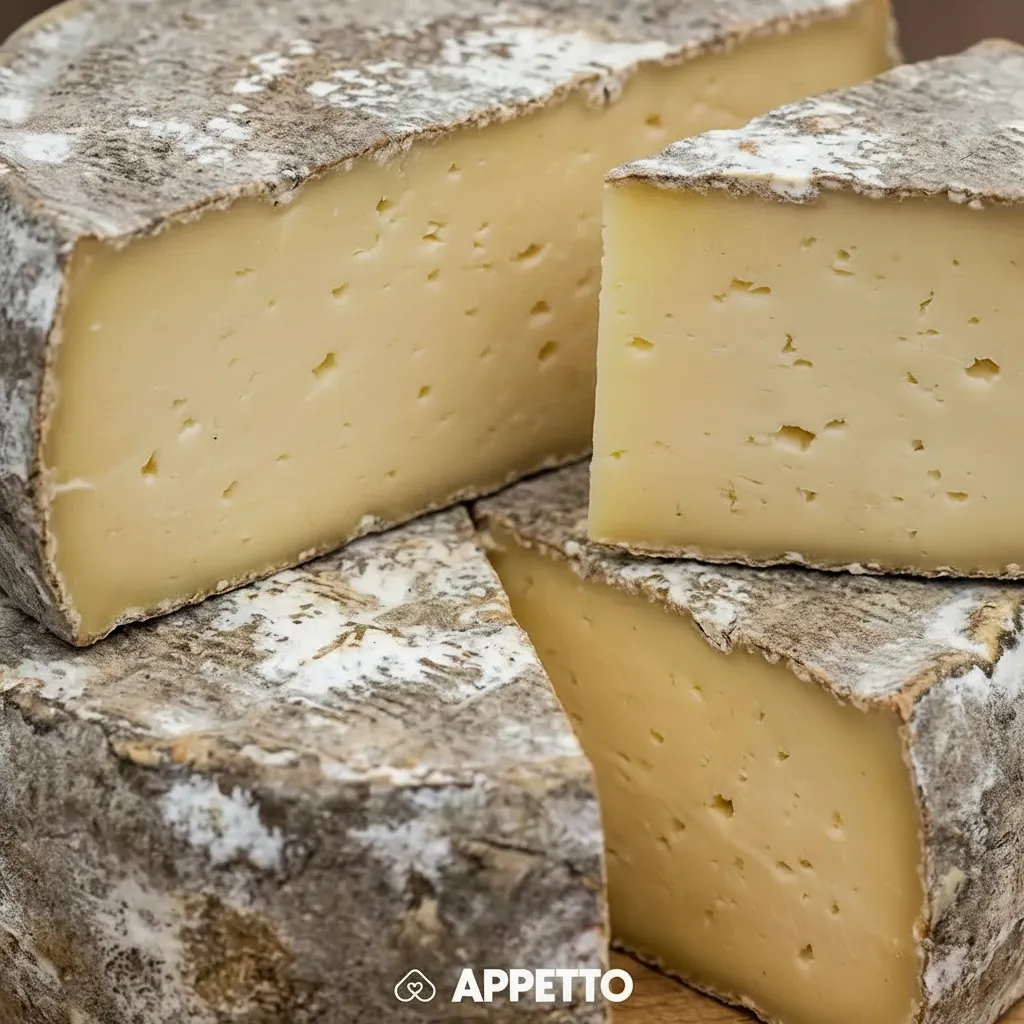
Tomme de Savoie is a well-known dairy product, but is it suitable for your cat’s diet? The answer is straightforward: this cheese is to avoid for your feline.
Why should you avoid Tomme de Savoie?
The available data show no nutritional interest or benefits in feeding Tomme de Savoie to a cat. In fact, official recommendations state that dairy products are generally not advised for these animals, as they can cause digestive discomfort even in very small amounts.
Risks associated with consumption
This cheese presents several risks for your cat, primarily due to its specific composition:
- Lactose: It is considered a nutritional risk because it is often poorly digested, which can lead to diarrhea and gas.
- Salt: The high salt content poses another nutritional risk that can cause increased thirst and fatigue in the animal.
- Fats: Tomme de Savoie also contains high levels of fat.
From a scientific perspective, this intolerance is explained by the frequent maldigestion of lactose, which is especially observed in adult cats. Therefore, adult cats are identified as the most vulnerable group regarding this product.
Precautions and symptoms to watch for
It is advised to avoid giving this cheese as a precaution, regardless of whether it is raw or otherwise prepared. Moreover, the rind is specifically identified as a bad part that must be kept away from your cat.
If your cat has ingested Tomme de Savoie, the following symptoms may appear:
- Vomiting
- Diarrhea
- Gas
If you notice these signs and they persist or seem concerning, it is highly recommended to contact a veterinarian.
Frequently Asked Questions
Is the rind of Tomme de Savoie safe for cats?
No, the rind is explicitly listed as a part that must be avoided. You should not offer it to your feline.
Does cooking the cheese make it safer?
Whether the cheese is raw or cooked makes no difference: it should be avoided as a precaution in all its forms.
About APPETTO
The APPETTO application helps users better understand the diet of dogs and cats by providing detailed information about various foods. You can find more details by visiting APPETTO.
This article is provided for informational purposes only and does not replace the advice or diagnosis of a veterinarian. If your pet shows any concerning or persistent symptoms, always consult a veterinary professional.