


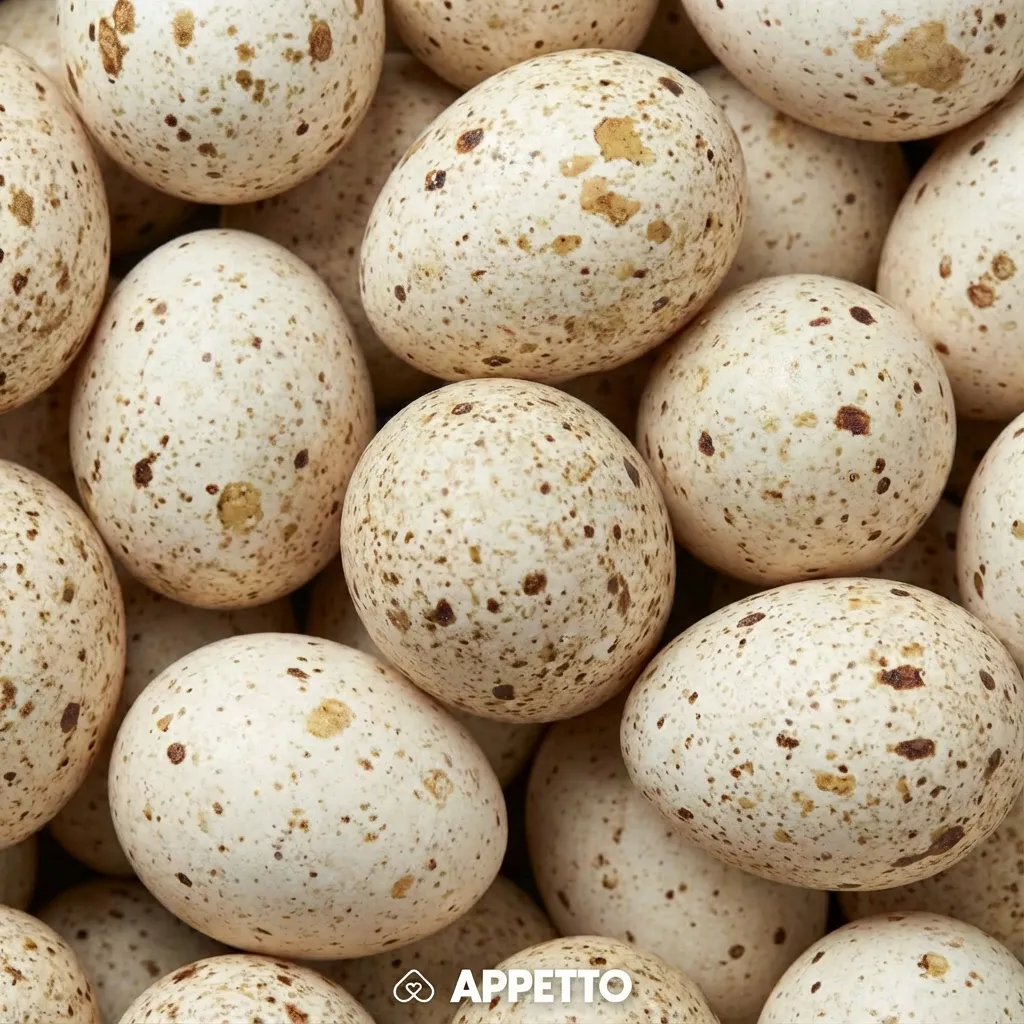
Many owners wonder if they can share a turkey egg with their dog. The answer is that the turkey egg is authorized in moderation. When prepared correctly, it can be a part of your dog’s diet, though certain guidelines must be followed.
Benefits of the turkey egg
The turkey egg has a high nutritional value. It provides complete proteins, as well as vitamins and minerals.
Preparation and safe parts
It is essential to serve turkey eggs cooked, specifically well-cooked. The cooked white and the cooked yolk are the safe parts to feed. However, you should avoid giving the whole uncrushed shell. Cooking the egg thoroughly is necessary to inactivate avidin. It is strongly recommended to serve the egg cooked rather than raw, and portions should be limited according to the dog’s size.
Risks and vulnerable dogs
There are specific risks if the egg is undercooked, mainly a chemical toxicity risk related to salmonella bacteria. Additionally, there is a nutritional risk due to calories if large portions are given, so it is important to monitor portions. Puppies and senior dogs are more sensitive to these risks.
Symptoms to watch
If a dog eats an undercooked turkey egg or too large a portion, symptoms such as vomiting and diarrhea may appear. If these symptoms occur or persist, you should monitor your dog and contact a veterinarian.
Frequently Asked Questions
Can dogs eat raw turkey eggs?
No, turkey eggs must be well-cooked to avoid salmonella and to inactivate avidin.
Can dogs eat the turkey egg shell?
The whole uncrushed shell is not recommended for dogs.
About APPETTO
To learn more about your dog’s diet, you can use APPETTO. This application helps users better understand what foods are appropriate for their dogs. You can download it here: APPETTO.
This article is provided for informational purposes only and does not replace the advice or diagnosis of a veterinarian. Always consult a veterinary professional if you notice concerning or persistent symptoms.