


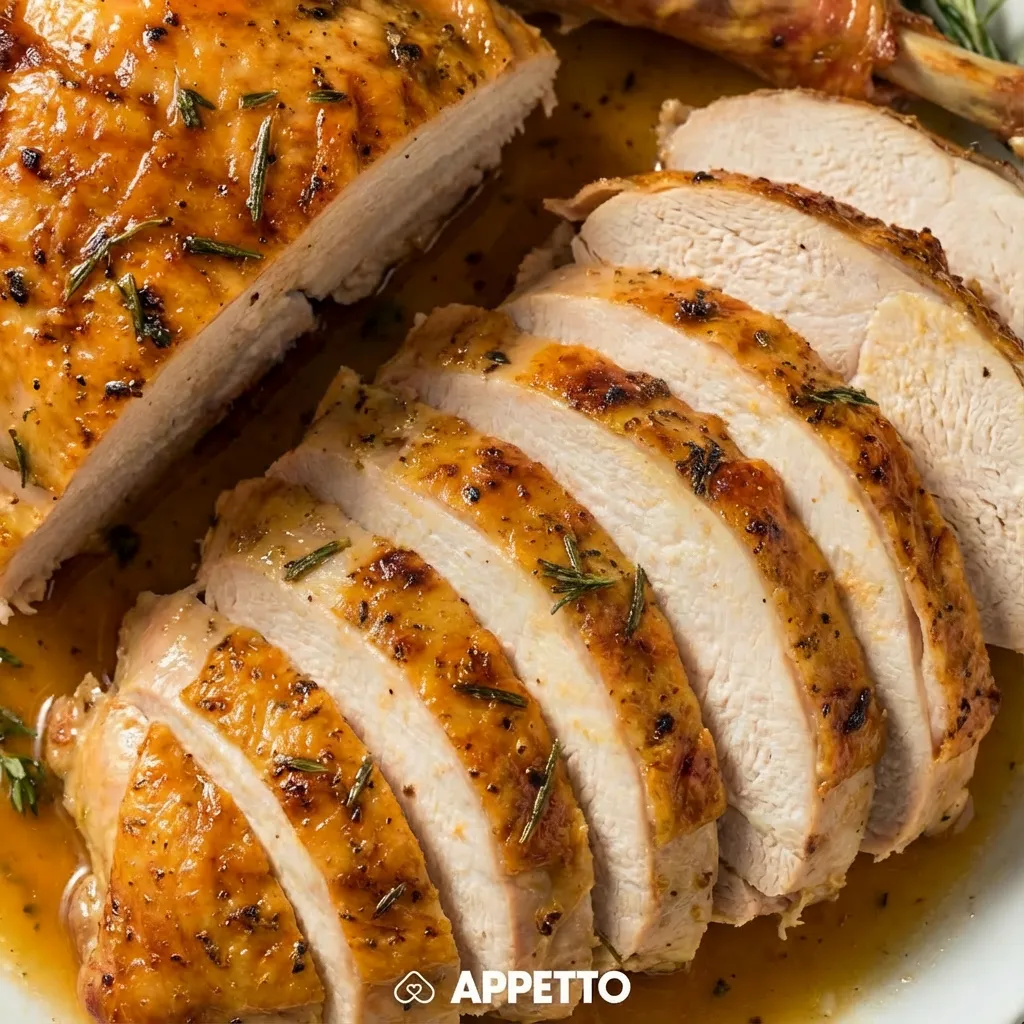
Turkey meat is safe for cats. It provides useful proteins, B vitamins, and can be well tolerated if served cooked, plain, without skin or bones.
Quick Verdict
- For cats: safe.
- Key takeaway: a small portion of cooked meat, no skin, no bones, no seasoning.
Turkey and cats: simple meat, strict preparation
Turkey can be a great treat for cats. The important part is to remove the skin and bones, then serve a simple, well-cooked portion.
What are the potential benefits?
- Animal proteins.
- B vitamins.
- Muscle maintenance.
- Good digestibility if properly prepared.
Risks to be aware of
- Raw: bacterial risk.
- Skin: too fatty.
- Bones: choking or perforation.
How much to give?
A small portion is enough. It does not replace a complete, balanced diet.
Raw or cooked?
Cooking is preferable to reduce bacteria. It is especially important for kittens, seniors, or fragile cats.
How to prepare it?
- Remove the skin and all bones.
- Cook plain without salt or spices.
- Cut into tiny pieces.
At-risk cats
- Kittens.
- Senior cats.
- Immunocompromised cats.
- Cats with sensitive digestion.
My cat ate turkey: what should I do?
If it was cooked and plain, just monitor them. In case of bones, skin, seasoning, or raw meat, watch for vomiting and diarrhea.
How can APPETTO help you?
APPETTO helps you compare animal proteins, evaluate cat products with the Pet-Score®, and make better choices according to your pet’s needs. Download APPETTO.
FAQ
Is turkey good for cats?
Yes, cooked, plain, and boneless.
Can my cat eat raw turkey?
It is not recommended.
Should I remove the skin?
Yes, it is too fatty.
Are turkey bones dangerous?
Yes, they must be removed.
What signs should I watch for?
Vomiting or diarrhea.
Can a kitten eat turkey?
Yes, in an adapted, tiny cooked portion.
Turkey can be a good meat for cats if cooked, plain, and without skin or bones. To compare feline products, APPETTO helps you with the Pet-Score®. Download APPETTO.
Credits and Disclaimer
Credits: Content developed by the APPETTO team based on referenced sources and our internal food classification methodology.
Disclaimer: This information is general and does not replace veterinary advice.