


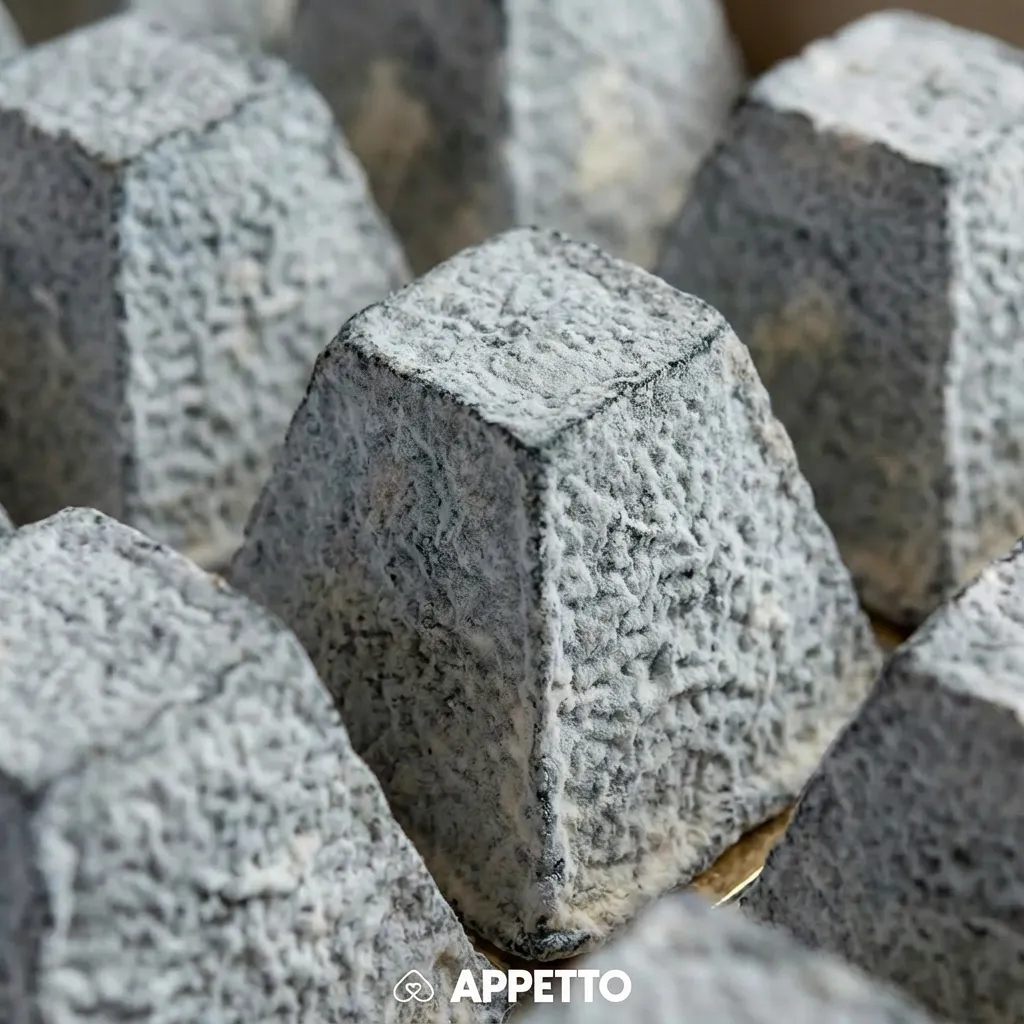
Valençay is best avoided for dogs. This goat cheese can be made with raw milk, contains salt and fats, and has an ash-coated rind with molds. While a tiny accidental ingestion of the cheese paste without the rind only requires monitoring, it is not a cheese you should offer. Dogs don’t need a gourmet cheese board to be happy, we promise.
Quick verdict
- For dogs: to avoid.
- Key takeaway: the ash rind and molds must be strictly avoided, as they pose potential digestive and neurological risks.
Valençay for dogs: allowed, limit, or forbidden?
Valençay is not recommended for dogs. Its ash-coated rind must be strictly avoided, and the cheese itself is too fatty, salty, and of little nutritional use. While data on this specific cheese can vary depending on how it’s made, the cautious approach is clear: abstain. When asking can dogs have cheese, the answer is generally yes for plain varieties, but not this one.
Is Valençay dangerous or toxic for dogs?
Valençay can pose a risk due to the molds on its rind, the potential use of raw milk, salt, and fats. Some cheese molds can produce compounds that are undesirable for animals, leading to possible digestive or neurological signs. If the rind or a large amount is ingested, seeking veterinary advice is a priority.
What are the possible benefits?
The potential benefits do not justify giving it to your dog.
- It may contain protein, but in a food that is too risky.
- The calcium present does not outweigh the risks associated with the rind, salt, and fats.
What are the risks to know?
The main risk involves the ash rind and molds.
- Molds: vomiting, tremors, or neurological signs are possible depending on the quantity and the dog’s sensitivity.
- Salt and fats: digestive overload, increased thirst, and pancreatitis in sensitive dogs.
- Parts to avoid: ash rind, highly aged cheese, large amounts of the cheese paste, and dishes containing Valençay.
How much to give your dog?
No amount is recommended. Valençay should be intentionally avoided.
- Small dog: avoid completely; call a vet if the rind is ingested.
- Medium dog: avoid; monitor any notable ingestion.
- Large dog: avoid as well, especially if the rind or a large amount is eaten.
Can my dog eat Valençay raw, melted, or processed?
No. Whether plain, melted, in a salad, tart, or sauce, Valençay remains ill-advised. Prepared dishes may add oil, salt, dough, garlic, onion, or spices, which further increases the risk.
How to react properly?
- Remove the cheese immediately and keep the packaging if possible.
- Estimate the amount swallowed and note if the rind was eaten.
- Contact your vet if the rind was consumed, if the amount was large, or if symptoms appear.
When should it be avoided?
- Puppies.
- Senior dogs.
- Dogs with a sensitive pancreas, overweight dogs, or those prone to digestive issues.
- Dogs on medication, with epilepsy, illness, or on a veterinary diet.
My dog ate Valençay: what should I do?
If your dog swallowed a tiny crumb of the inside without the rind, monitor them. If the rind was eaten, if a significant amount was consumed, or if vomiting, tremors, diarrhea, or abnormal signs appear, call a vet promptly.
What signs should alert you?
Vomiting, diarrhea, tremors, agitation, lethargy, balance issues, seizures, or abdominal pain should raise an alarm. Neurological signs require urgent veterinary attention.
What are safer alternatives?
If you’re wondering about cheese for dogs, here are safer options:
- A suitable dog treat.
- A small piece of plain cooked chicken.
- A simple, low-fat option validated for dogs (like plain cottage cheese, as many ask can dogs eat cottage cheese).
How can APPETTO help you?
APPETTO helps you identify foods to avoid and understand the hidden risks behind certain everyday products. Thanks to the Pet-Score®, you can compare dog products with greater clarity. Download APPETTO.
FAQ
Is Valençay toxic to my dog?
It can present a risk, especially because of the ash rind and molds. It is better to avoid it.
How much Valençay can I give my dog?
No amount is recommended. This cheese should be avoided.
Can my dog eat the rind of Valençay?
No, the ash-coated rind must be banned.
Can my dog eat melted Valençay?
No, melted or not, it remains ill-advised and is often associated with unsuitable ingredients.
What signs to watch for if my dog ate Valençay?
Watch for vomiting, diarrhea, tremors, lethargy, balance issues, and seizures.
Can a puppy eat Valençay?
No, it must be strictly avoided. A puppy is more vulnerable to dietary indiscretions.
Valençay is therefore to be avoided for dogs, mainly due to its ash rind and molds. To better understand risky foods and compare suitable products, APPETTO helps you with the Pet-Score®. Download APPETTO.
Credits and disclaimer
Credits: Content created by the APPETTO team based on referenced sources and our internal food classification methodology.
Disclaimer: This information is general and does not replace veterinary advice.