


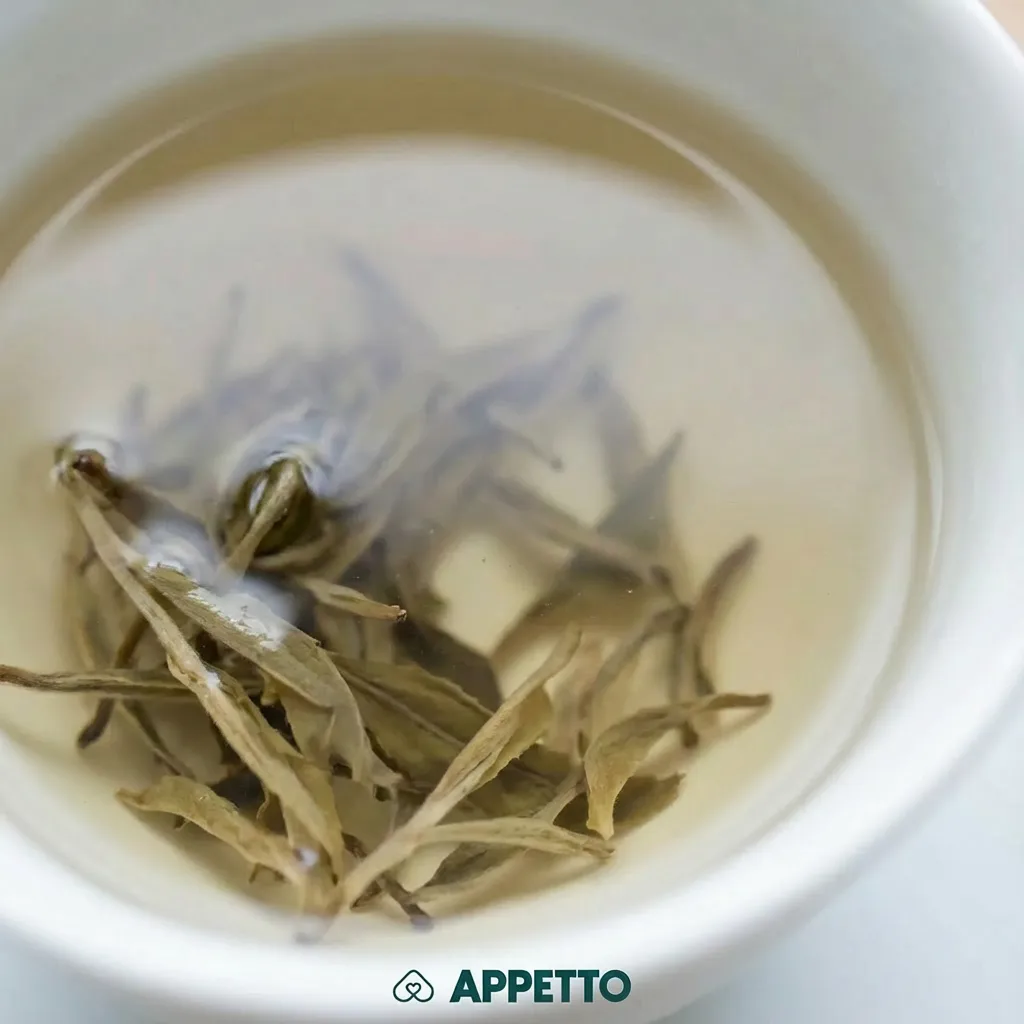
You might wonder if you can share your beverage with your pet, but white tea is strictly forbidden for dogs. Due to its composition, it poses significant health hazards and should never be offered to them.
Why is White Tea Forbidden?
Data shows that white tea has zero nutritional value for dogs. Official recommendations emphasize that caffeinated teas, including white tea, are dangerous. Even if a product is decaffeinated, traces of caffeine can still be present, making it necessary to avoid these products entirely.
Health Risks and Scientific Mechanisms
The primary danger of white tea comes from its caffeine (also known as theine) content. This causes a chemical toxicity that leads to cardiac and nervous hyperstimulation. Consuming this toxic caffeinated drink can result in severe cardiac and nervous disorders.
From a scientific standpoint, caffeine causes an antagonism of adenosine. This mechanism can lead to tachycardia and possible convulsions in dogs.
Dangerous Parts: The Tea Bag
Aside from the liquid itself, the tea bag presents a significant mechanical risk. If a dog swallows the bag, there is a serious risk of an intestinal blockage (occlusion).
Vulnerable Dogs
While white tea is unsafe for all dogs, small dogs are especially vulnerable. Due to their smaller size, the toxic dose of caffeine is reached much faster.
Poisoning Symptoms to Watch For
If a dog ingests white tea, several poisoning symptoms may appear. You should carefully monitor for:
- Vomiting
- Diarrhea
- Agitation
- Tremors
- Arrhythmia
What to Do in Case of Ingestion
If you suspect that your dog has consumed white tea or swallowed the tea bag, it is crucial to observe them for any of the symptoms listed above. If any symptoms appear, persist, worsen, or seem concerning, contact a veterinarian promptly. This article cannot evaluate the individual severity of the ingestion.
Learn More with APPETTO
To help you navigate your pet’s dietary needs, consider using APPETTO. This application helps users better understand the diet of dogs and cats and allows them to consult information on various foods. Visit APPETTO to find out more.
This article is provided for informational purposes only and does not replace the advice or diagnosis of a veterinarian. A veterinarian should be consulted if any concerning or persistent symptoms occur.