


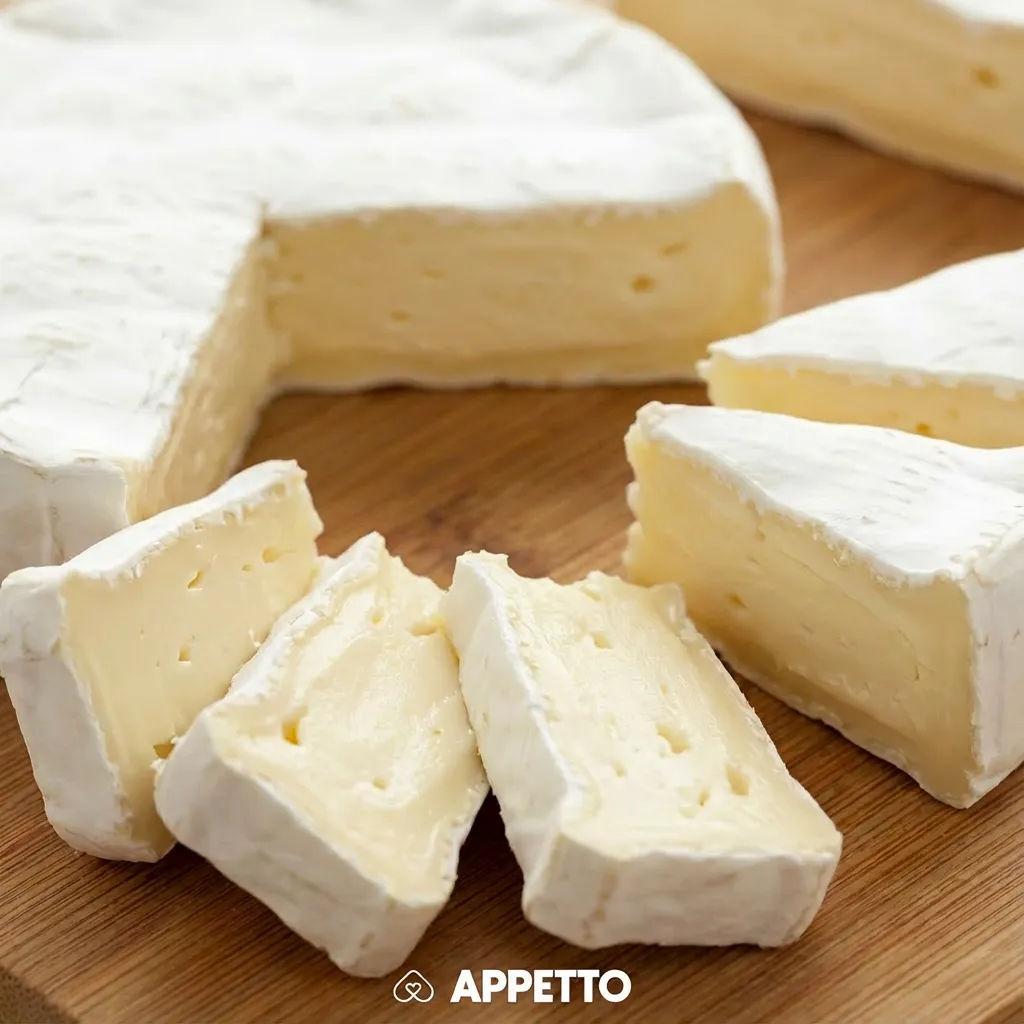
Brie should be avoided for cats. This cheese is highly fatty, sometimes made with raw milk, often poorly tolerated, and its bloomy rind has no place in a strict carnivore’s diet. An accidental tiny crumb doesn’t necessarily spell an emergency, but turning it into a treat belongs on a cheese board, not in a feline nutrition plan.
Quick verdict
- For cats: avoid.
- Key takeaway: brie can be made with raw milk, is fatty, hard to digest, and not recommended for senior or fragile cats.
Brie for cats: allowed, limit, or forbidden?
Brie is not recommended for cats. Dairy products are often poorly digested by adult cats, and fatty cheeses like brie add a risk of vomiting, diarrhea, and digestive discomfort. Raw milk, when present, can also increase health risks.
Is brie dangerous or toxic for cats?
Brie isn’t toxic in the strict sense, but it can be dangerous for a sensitive cat or in large amounts. Raw milk cheeses can expose them to pathogens like Listeria or Salmonella. Fats can quickly cause digestive upset.
What are the possible benefits?
The benefits of brie for cats are very limited. Cats don’t need cheese to be well-fed.
- A bit of protein, but in an unnecessary form.
- A palatable taste, but no sufficient nutritional value to justify the risk.
What are the risks to know?
Brie combines several unfavorable points for cats.
- Possible raw milk: risk of pathogens depending on the product.
- Fats: vomiting, diarrhea, digestive discomfort, or weight gain.
- Parts to avoid: bloomy rind, overly ripe cheese, moldy bits, brie sauces or dishes.
How much to give to your cat?
No amount of brie is recommended for cats. An accidental tiny crumb should be monitored, but it’s better not to offer any.
- Adult cat: avoid.
- Sensitive cat: strictly avoid, especially if they have digestive issues.
- Kitten: totally avoid, as their diet must remain tailored to their growth.
Can my cat eat raw, melted, or processed brie?
No. Plain brie is already not recommended. Melted, in a sauce, in a quiche, on toast, or in a cooked dish, it’s often even fattier and can be combined with salt, garlic, onion, cream, butter, or spices.
How to prepare it properly?
- Do not prepare brie for your cat.
- Keep the rind, leftovers, and cheese dishes out of reach.
- If your cat eats some, note the amount and check if the brie was made with raw milk.
In which cases should it be avoided?
- Kittens.
- Senior cats, more sensitive to digestive and health issues.
- Overweight, diabetic, kidney-impaired, or digestively fragile cats.
- Cats on medication or a veterinary diet.
My cat ate brie: what to do?
If your cat swallowed a tiny crumb, monitor their behavior and stool. If the amount is large, if the brie was made with raw milk, if the rind was eaten, or if vomiting, diarrhea, or signs of fatigue appear, contact your vet.
What signs should alert you?
Vomiting, diarrhea, abdominal pain, fatigue, loss of appetite, isolation, fever, or unusual behavior should alert you. For a senior or sick cat, the veterinary reflex must be quicker.
What are safer alternatives?
- A treat specially formulated for cats.
- A small piece of plain cooked chicken.
- A complete wet food suited to their age and health status.
How can APPETTO help you?
APPETTO helps you better understand why some human foods, even very common ones, are not suitable for cats. Thanks to the Pet-Score®, you can compare products and make more informed choices for their bowl. Download APPETTO.
FAQ
Is brie toxic to my cat?
Brie is not toxic in the strict sense, but it is not recommended due to possible raw milk, fats, and poor digestive tolerance.
How much brie can I give my cat?
No amount is recommended. It is better to avoid giving it intentionally.
Can my cat eat brie rind?
No, the bloomy rind should be avoided, especially if the cheese is very ripe or made with raw milk.
Can my cat eat melted brie?
No, melted brie remains too fatty and cheese dishes often contain other unsuitable ingredients.
What signs to watch out for if my cat ate brie?
Watch for vomiting, diarrhea, fatigue, abdominal pain, loss of appetite, and unusual behavior.
Can a kitten eat brie?
No, a kitten should avoid fatty cheeses and stick to a diet suited to its age.
Brie should therefore be avoided for cats: too fatty, sometimes made with raw milk, and often poorly digested. To better understand risky foods and compare suitable products, APPETTO helps you with the Pet-Score®. Download APPETTO.
Credits and disclaimer
Credits: Content developed by the APPETTO team based on referenced sources and the internal food classification methodology.
Disclaimer: This information is general and does not replace veterinary advice.