


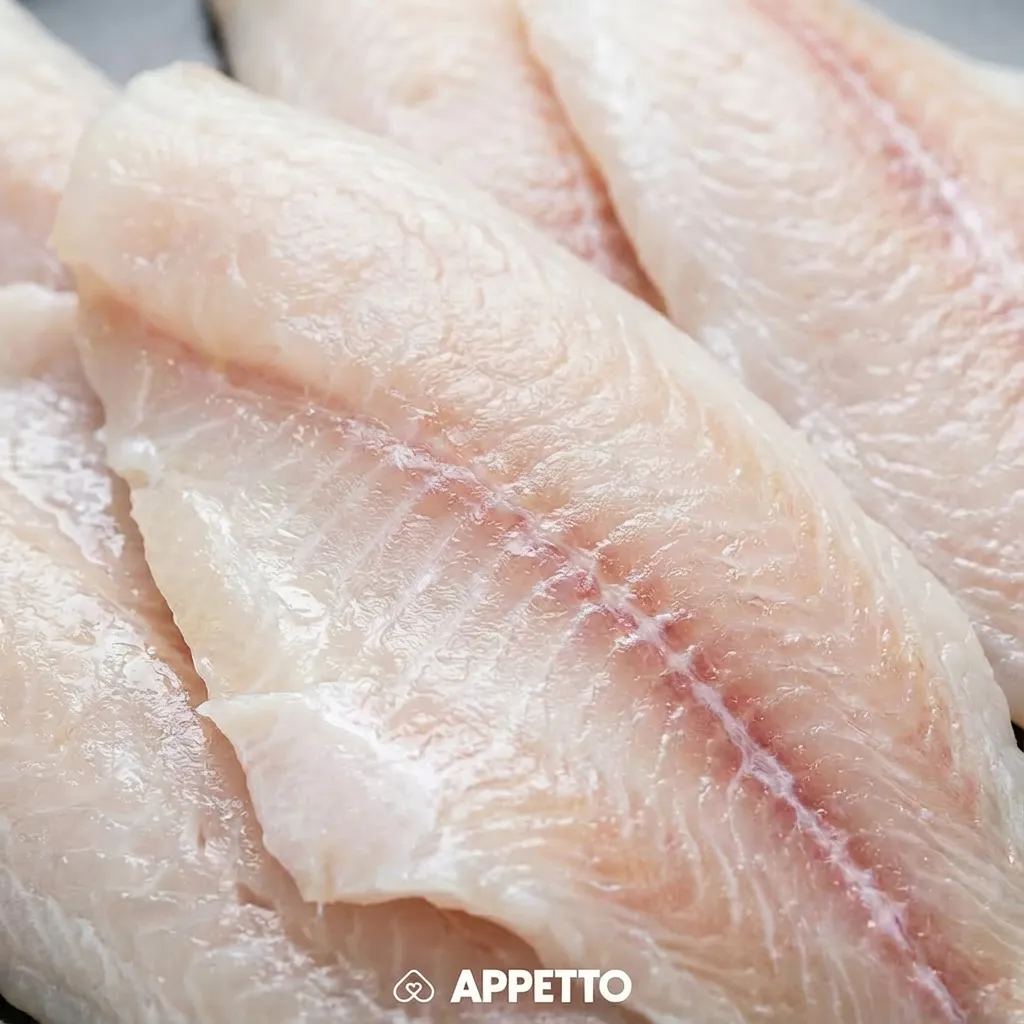
Fish is a classic part of the imagery surrounding the feline diet. While salmon and tuna are often favored, what about pangasius? This white fish, widely available due to its affordable price, sometimes raises questions. Good news: yes, a cat can eat pangasius, provided you follow certain preparation rules and pay attention to its origin.
The benefits of pangasius for your cat
Pangasius is a white-fleshed fish that offers several health benefits for our little felines:
- Rich in protein: Essential for maintaining muscle mass and the proper functioning of the cat’s body, as they are obligate carnivores.
- Low in fat: Unlike fatty fish, pangasius is lean. It is therefore very suitable for sedentary or overweight cats.
- Easy to digest: Its tender flesh is generally well tolerated by a cat’s digestive system.
What are the risks and precautions to take?
Although pangasius is not toxic in itself, it is important to take a few precautions before putting it in your pet’s bowl.
The quality and origin of the fish
Pangasius is often intensively farmed (especially in Southeast Asia), which can lead to the presence of pollutant residues, antibiotics, or heavy metals in its flesh. It is highly recommended to choose good quality, ideally certified, pangasius fillets to limit the risks of long-term toxicity.
The danger of bones
As with any fish, bones pose a real danger. They can cause choking, lesions in the mouth or throat, or even perforate the stomach and intestines. Make sure you have removed absolutely all the bones before serving the fish.
Raw fish is not recommended
Never give your cat raw pangasius. Raw fish can contain pathogenic bacteria (like salmonella) or dangerous parasites. Moreover, some raw fish contain thiaminase, an enzyme that destroys vitamin B1, which is essential for a cat’s neurological health.
How to prepare and serve pangasius to your cat
To let your cat safely enjoy this fish, follow these preparation tips:
- Boil or steam: Cook the pangasius fillet plain. Do not add salt, pepper, butter, oil, spices, onion, or garlic (the latter two being highly toxic to cats).
- Check for bones: Carefully crumble the cooked fish with your fingers to ensure there are no bones left.
- Temperature: Let the fish cool completely to room temperature before offering it to your pet to avoid burns.
How much should you give them?
Pangasius should remain an occasional treat or supplement, and should by no means replace your cat’s staple diet (complete kibble or wet food). You can offer a small piece of cooked pangasius from time to time, for example, one teaspoon once or twice a week maximum.
If this is the first time you are giving this fish, start with a very small amount to check that they tolerate it well and do not develop any allergic or digestive reactions.