


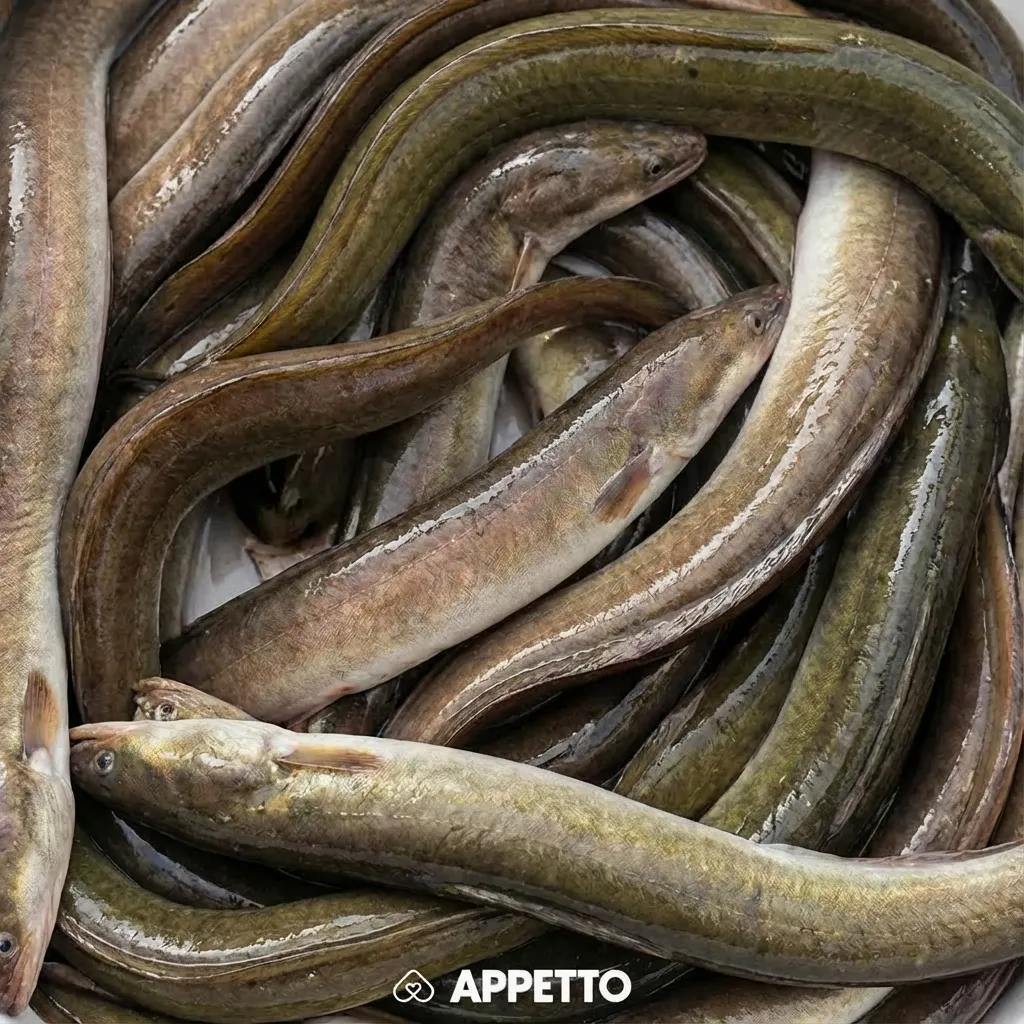
Can my dog eat eel?
Are you wondering if you can share a piece of eel with your furry friend? The answer is yes, but under very strict conditions. Although this fish is packed with beneficial nutrients, its preparation leaves no room for improvisation.
The benefits of eel for dogs
Eel is a fatty fish that is particularly rich in excellent nutrients for your dog’s health:
- Omega-3s: These essential fatty acids contribute to a beautiful coat, support joint health, and have an anti-inflammatory effect.
- High-quality proteins: Essential for maintaining muscle mass.
- Vitamins and minerals: Eel is an excellent source of vitamins A, D, and B12, as well as phosphorus and zinc, which support the immune system.
What are the risks and precautions?
Despite its benefits, eel poses several dangers if not prepared correctly:
- The toxicity of raw eel: The blood of raw eel contains toxins. Furthermore, it contains thiaminase, an enzyme that destroys vitamin B1, which is essential for a dog’s nervous system.
- Bones: Fine and numerous, they can cause choking or perforate the digestive tract.
- High fat content: As a very fatty fish, excessive consumption can lead to digestive issues (diarrhea, vomiting) or pancreatitis in sensitive dogs.
How to prepare eel for your dog?
If you want to offer some to your pet, here are the rules to follow:
- Thorough cooking is essential: Boil or steam the eel. Heat destroys toxins, thiaminase, and parasites. Never give raw or smoked eel.
- No seasoning: No salt, garlic, onion, or added oil.
- Careful deboning: Meticulously remove every single bone.
- Remove the skin: Since it is too fatty, it is better to remove it.
Serve it in very small quantities, as an occasional treat. If your dog has never eaten it before, start with a tiny piece to check their digestive tolerance.