


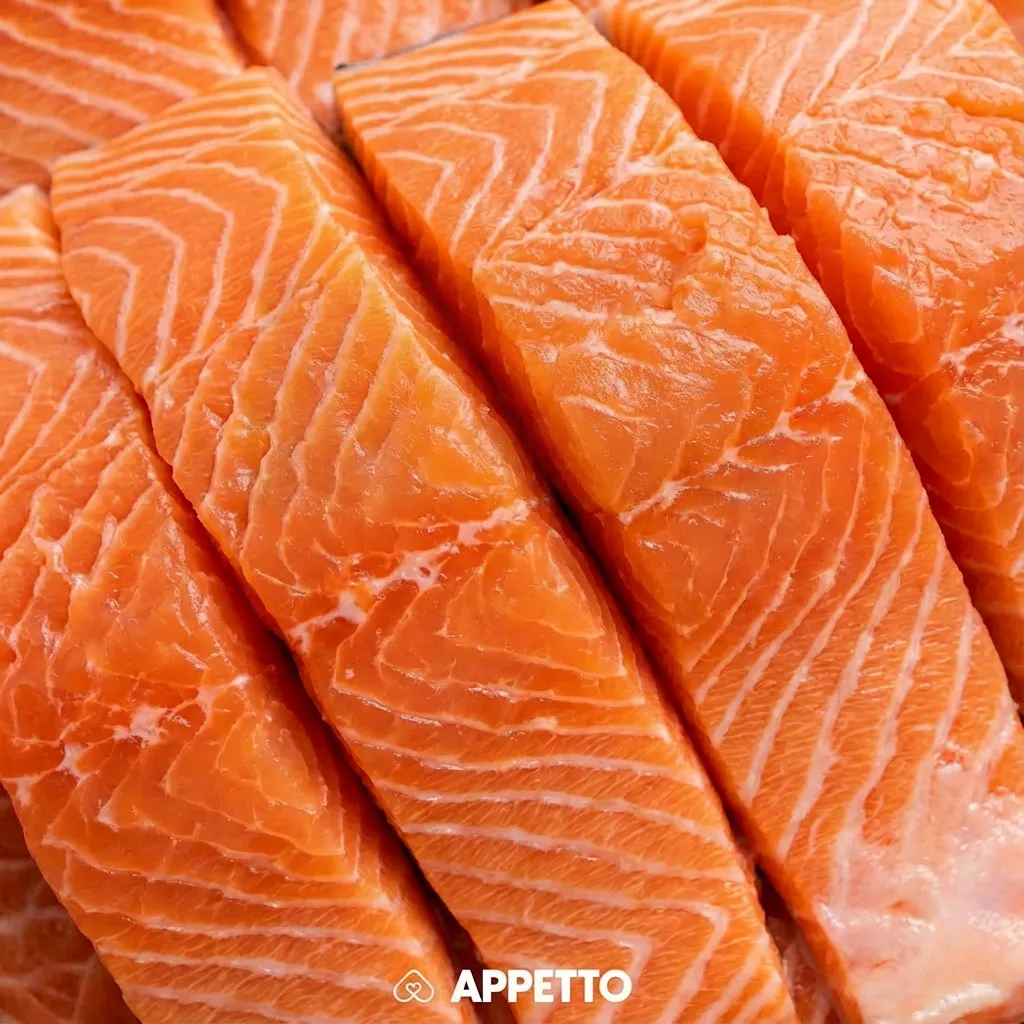
Is salmon good for cats?
Salmon is often seen as an irresistible treat by our felines. With its strong smell and tasty flesh, it naturally attracts cats. The good news is that yes, cats can eat salmon, provided it is prepared correctly. This fish is packed with nutrients that are excellent for their health, but it should not become the sole basis of their diet.
The benefits of salmon for your feline
When given under the right conditions, salmon is a real nutritional asset:
- Rich in omega-3: These essential fatty acids are perfect for ensuring your cat has healthy skin and a shiny coat. They also help reduce inflammation and support joint health in aging cats.
- An excellent source of protein: Cats are strict carnivores. The high-quality protein in salmon helps them maintain good muscle mass.
- Vitamins and minerals: Salmon provides B vitamins (especially B12), selenium, and potassium, which contribute to the proper functioning of their metabolism.
Dangers and precautions to know
Be careful, not all salmon is created equal, and some preparations can be dangerous for your pet:
- Raw salmon: It is highly discouraged. Raw fish can contain pathogenic bacteria (such as salmonella) or parasites. Moreover, it contains an enzyme, thiaminase, which destroys vitamin B1, an essential vitamin whose deficiency can cause severe neurological disorders in cats.
- Bones: They represent a major risk of choking or perforating the esophagus and intestines. They must be removed very meticulously.
- Smoked salmon: Too rich in salt and often prepared with substances toxic to cats (like traces of onion or garlic in the flavorings), smoked salmon should be completely banned.
- Canned salmon: If you use canned salmon, choose it exclusively plain (in water). Avoid versions in oil or those containing added salt.
How to prepare and portion salmon for your cat?
To offer salmon to your cat safely, the best method is to boil or steam it, without adding any seasoning, salt, oil, or butter. Once cooked, let it cool, remove the skin, and flake it, making sure no bones remain.
Salmon should remain an occasional treat. A small tablespoon of flaked meat, one to two times a week, is more than enough. An excess could unbalance their usual diet or make them too picky with their regular kibble or wet food.