


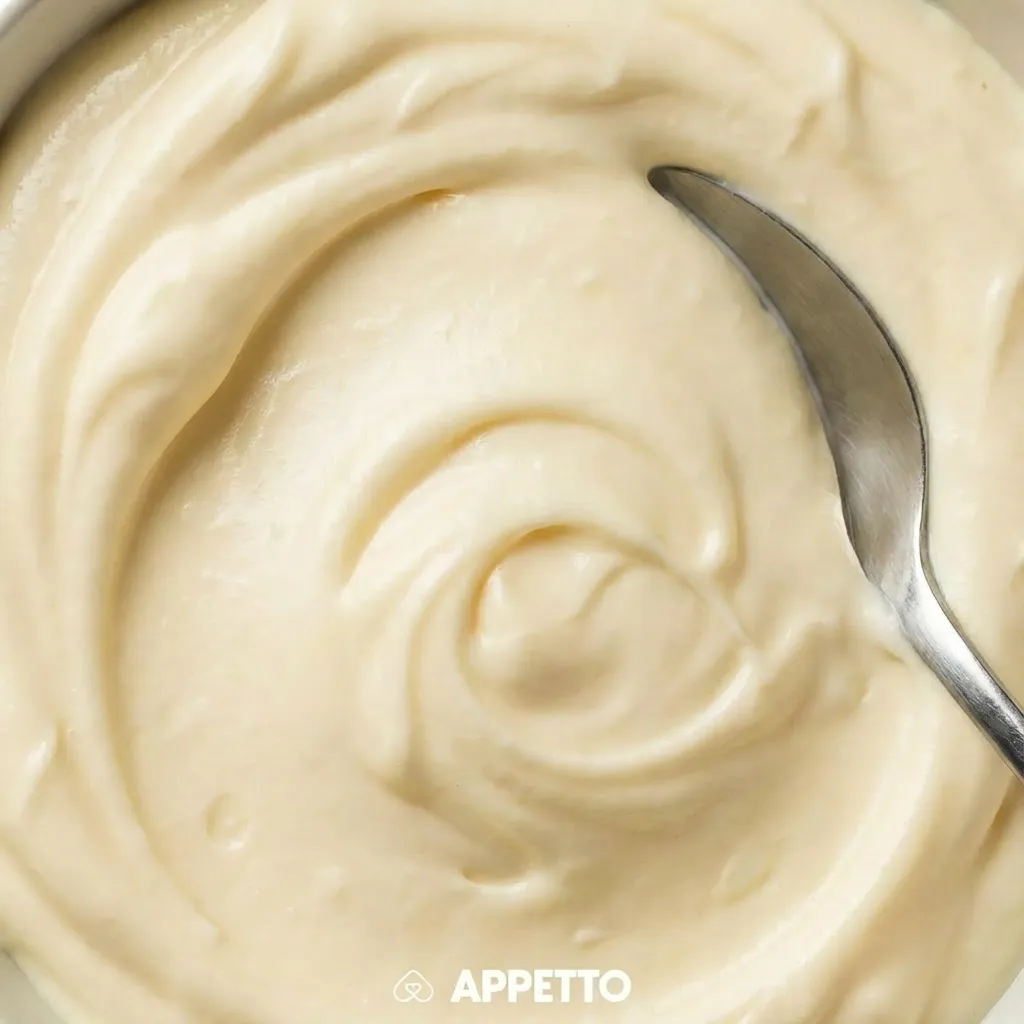
Double cream should be avoided for cats. It is very high in fat, contains lactose, and offers no nutritional value for an obligate carnivore. Yes, your cat might be mesmerized by the smell. No, their digestive system did not ask for an ultra-rich, luxury cream tasting.
Quick Verdict
- For cats: avoid.
- Key takeaway: lactose and fats can cause diarrhea, vomiting, and weight gain.
Double cream for cats: allowed, to be limited, or forbidden?
Double cream is not suitable for cats. Adult cats often have trouble digesting lactose, and fat overload can quickly lead to digestive issues. It is particularly not recommended for obese, diabetic, or sensitive cats.
Is double cream dangerous or toxic for cats?
Double cream is not strictly toxic, but it can become dangerous in large amounts. It can cause vomiting, diarrhea, abdominal pain, and weight gain if given repeatedly.
What are the potential benefits?
The benefits are practically nonexistent. Cats do not need cream to meet their nutritional needs.
- Provides energy, but is far too fatty.
- No value in a balanced feline diet.
What risks should you be aware of?
Double cream combines the two classic problems of dairy products for cats: lactose and fat.
- Lactose: diarrhea, gas, vomiting.
- Fats: weight gain and digestive discomfort.
- What to avoid: plain cream, sauces, desserts, sweetened creams, salty or spicy dishes.
How much should you give your cat?
No amount is recommended. It is best not to give your cat any double cream.
- Adult cat: avoid.
- Sensitive cat: strictly avoid.
- Kitten: completely avoid.
Can my cat eat double cream raw, cooked, or in a sauce?
No. Whether raw or cooked, it remains too fatty. In a sauce or dessert, it might also be combined with salt, sugar, garlic, onion, chocolate, or other unsuitable ingredients.
How to prepare it properly?
- Do not prepare double cream for your cat.
- Keep sauces, desserts, and cream pots out of reach.
- If ingested, monitor their stool, appetite, and behavior.
When should it be avoided?
- Kittens.
- Senior cats.
- Obese, diabetic, or digestively sensitive cats.
- Cats undergoing medical treatment, with kidney failure, or on a veterinary diet.
My cat ate double cream: what should I do?
If your cat just licked a tiny drop, monitor them. If a significant amount was eaten or if they show signs of vomiting, diarrhea, lethargy, pain, or loss of appetite, contact your veterinarian.
Which signs should raise an alarm?
Vomiting, diarrhea, abdominal pain, lethargy, hiding, loss of appetite, or unusual behavior should alert you.
What are safer alternatives?
- A cat-friendly treat.
- A small piece of plain cooked chicken.
- Complete wet food suitable for their age and weight.
How can APPETTO help?
APPETTO helps you understand why certain dairy products are unsuitable for cats, and lets you compare pet foods using the Pet-Score®. You can make clearer choices without being fooled by a creamy texture. Download APPETTO.
FAQ
Is double cream toxic to my cat?
No, not like a poison, but it can cause diarrhea, vomiting, and weight gain.
How much double cream can I give my cat?
No amount is recommended. It is better to avoid it.
Can my cat eat cooked double cream?
No, cooking does not change its high fat content.
Can my cat eat double cream sauce?
No, sauces are often fatty, salty, and sometimes contain inappropriate ingredients.
What signs should I look out for if my cat ate double cream?
Watch for vomiting, diarrhea, lethargy, abdominal pain, and loss of appetite.
Can a kitten eat double cream?
No, a kitten should avoid fatty dairy products and stick to a suitable diet.
Double cream should therefore be avoided for cats: it is too fatty, inappropriate, and often poorly digested. To better compare suitable foods and products, APPETTO helps you with the Pet-Score®. Download APPETTO.
Credits and Disclaimer
Credits: Content created by the APPETTO team based on referenced sources and our internal food classification methodology.
Disclaimer: This information is general and does not replace veterinary advice.