


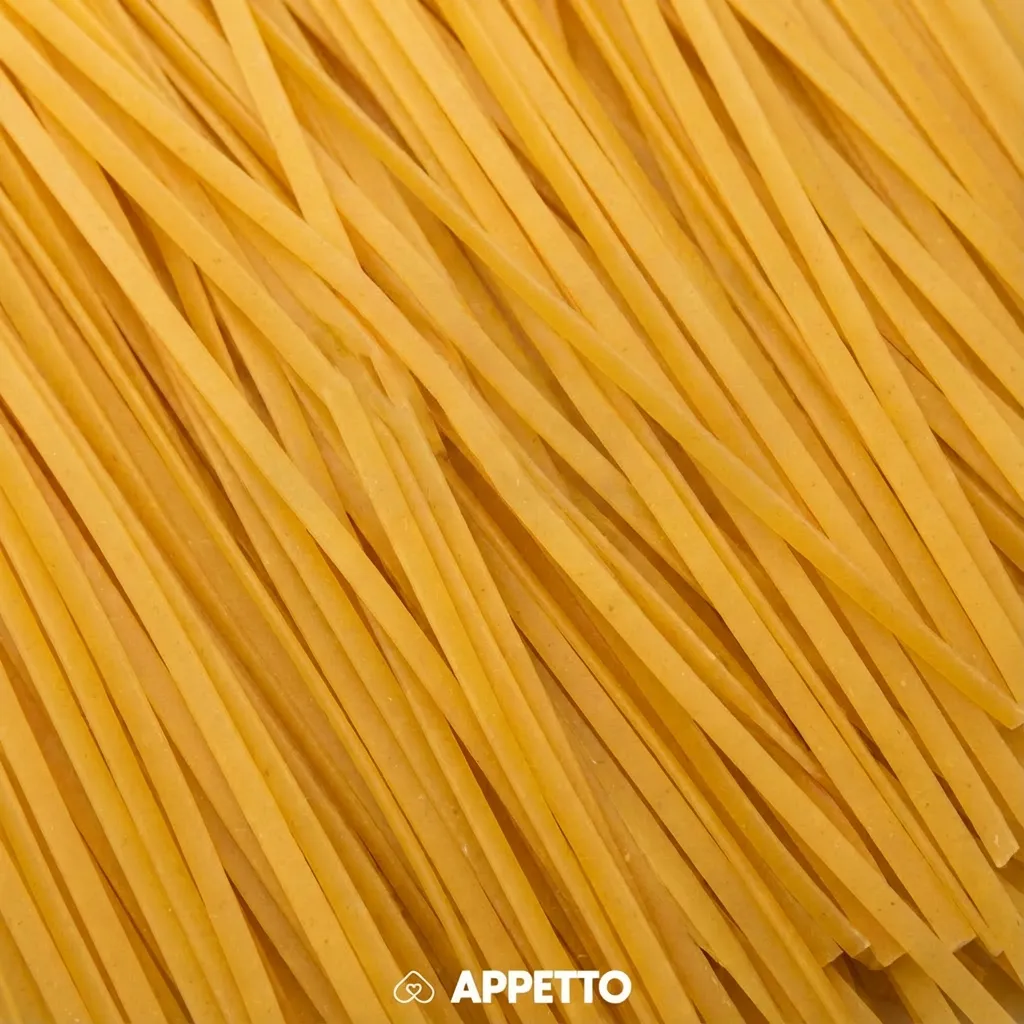
It is common to wonder whether you can share some of your food with your pet. If you are asking yourself about linguine, a type of durum wheat pasta, you should know that this food is allowed in moderation for dogs. While it is not inherently toxic, it is essential to follow specific preparation and portion guidelines to ensure your dog’s well-being.
Nutritional Value and Benefits
Data shows that the nutritional value of linguine for dogs is low. However, it can provide occasional energy through the starch it contains, provided it is prepared correctly. As a general rule, it is recommended to limit starchy foods in a dog’s diet.
How to Prepare Linguine for Your Dog
It is crucial to serve linguine cooked, plain, and in small quantities. Scientific explanations highlight that cooked starch offers better digestibility than in its raw state. Therefore, you should never offer raw durum wheat pasta to your pet.
Potential Risks and Vulnerable Dogs
Feeding dogs an excess of linguine carries specific risks. There are two main types of risks involved:
- Nutritional risk: an excess of starch can lead to weight gain.
- Digestive risk: consuming too much can cause loose stools or diarrhea.
Furthermore, increased caution is advised if you have a primitive dog breed.
Symptoms to Watch For and What to Do
If your dog has eaten linguine and does not tolerate it well, certain symptoms may appear. You should monitor your dog for:
- Vomiting;
- Diarrhea.
If these symptoms appear, persist, or seem concerning, it is advisable to contact a veterinarian to get proper guidance tailored to your dog’s situation.
Discover the APPETTO App
To assist you on a daily basis, the APPETTO app helps you better understand the diets of dogs and cats. You can consult useful information about various foods. Feel free to download it at APPETTO.
This article is provided for informational purposes only and does not replace the advice or diagnosis of a veterinarian. A veterinary professional should be consulted if any concerning or persistent symptoms occur.